
📍 8 stops · ⏱ ~8.5 h

A full day tracing the bohemian pulse of Güemes — contemporary art in a converted townhouse, the neighbourhood’s Art Deco facades, an artists’ market that doubles as the district’s weekly ritual, and a flea-market dig before we cross into Nueva Córdoba for a rooftop view over the city. The rhythm is one long walk through a single neighbourhood that has kept its independent spirit, with coffee and a vermouth along the way.
Want your own personalized plan for free?
Güemes, also called Pueblo Nuevo, is the neighbourhood where Córdoba’s artists, designers and independent gallerists have set up shop. Unlike the postcard-ready Judería, this area feels lived-in and a little rough at the edges — low-rise buildings from the 1920s and 30s, small workshops behind roller shutters, and a rhythm that picks up on weekend afternoons when the Paseo de las Artes fills the streets. We start on a quiet morning block before the crowds arrive.
A small independent gallery set inside a converted early-20th-century townhouse on a side street in Güemes. The space runs rolling exhibitions by emerging Argentine painters and sculptors — the kind of place where you might catch an artist installing their own work on a Saturday morning. The rooms are domestic in scale, so the art sits at eye level in what used to be a living room, which makes the whole visit feel more like stepping into someone’s private collection than a white-cube gallery. Rotating shows mean there is always something new; check what is on before heading over.
Things to do nearby Mosque-Cathedral of Córdoba: Entry Ticket + Audio Guide Tiqets from €24From the gallery we turn onto Calle Belgrano, the main commercial artery of Güemes and the best stretch of Art Deco architecture in the city. The buildings here date from the 1930s and 40s, with geometric ironwork balconies, streamlined corner towers, and shopfronts that still carry their original chrome lettering. Look up at the first-floor level — that is where the best ornament sits, above the modern signage. The light is best in the late morning when the sun rakes across the facades from the east.
Walking Calle Belgrano is essentially a self-guided architecture tour. The standout is the old building at the corner of — a Streamline Moderne facade with a curved marquee and vertical fins that once lit up at night. A few doors down, a former pharmacy keeps its original mint-green tilework and a stylised mortar-and-pestle relief above the entrance. The whole strip rewards slow looking; bring a camera and point it upward.
The old cinema at Belgrano and Fructuoso Rivera is the architectural anchor of the strip. It stopped screening films years ago but the marquee and the streamline tower are still intact — the best photo on the street is from the opposite corner, framing the curved facade against the sky. Early afternoon the light hits the chrome trim directly.
A neighbourhood bar that sits right on the edge of the Paseo de las Artes market zone, with a few tables on the pavement and a long wooden counter inside. On market days it fills with artists and regulars ordering vermouth with soda and a plate of picada — the Argentine version of aperitivo hour. The walls are covered in old fair posters and local art, and the whole place has the easy, unhurried feel of a spot that has been here for decades. It is the natural mid-morning pause before the market gets busy.
The house vermouth with soda is the move here — it is what everyone around you is drinking. If you are hungry, a shared picada plate with cheese, salami and olives holds you until a late lunch.
On Saturdays the streets of Güemes transform into the Paseo de las Artes, an open-air market where local painters, printmakers, jewellers and ceramicists set up stalls along the pavement. The atmosphere is part gallery stroll, part neighbourhood hangout — families walk through with mate in hand, musicians set up on corners, and the smell of grilled choripán drifts from food carts. It is the single best window into the creative community of the city, and it runs from late morning through the afternoon.
The Paseo de las Artes is the weekly heartbeat of Güemes — a sprawling market of independent artists and craftspeople that takes over several blocks every Saturday. You will find original paintings, screen-printed textiles, handmade leather goods, and small-batch ceramics, most sold directly by the makers themselves. Prices are fair and bargaining is not really the culture here; if you like something, buy it — pieces are often one-offs. Even if you are not shopping, the people-watching and the impromptu street performances make it worth a long wander.
The Paseo de las Artes runs every Saturday and really hits its stride around 14:00, when most stalls are set up and the afternoon crowd arrives. The best stretch for original art is the block between Achával Rodríguez and — that is where the painters and printmakers cluster.
A low-key neighbourhood café on a tree-shaded plaza in Güemes, with mismatched chairs and a handful of tables under a pergola. The coffee is strong and the medialunas — Argentina’s small, sweet croissants — come warm from a bakery around the corner. On a Saturday afternoon the plaza fills with locals reading the paper, kids kicking a football, and the occasional guitarist practising under a tree. It is the kind of place where an espresso break can easily stretch to an hour.
The Casona Municipal is a handsome early-1900s mansion that now houses a cultural centre, but the real draw is its interior patio — a quiet, tiled courtyard with a central fountain, climbing bougainvillea, and arcaded galleries on two sides. It is one of those spaces most people walk past without knowing it is open to the public. The light filters through the upper gallery in the afternoon, casting long shadows across the tiles, and the fountain provides a steady, cooling soundtrack. A perfect spot to sit on a bench and let the market energy settle before the next stop.
The Casona courtyard is free to enter and rarely crowded — most visitors to Güemes stay on the main market streets. The best bench is the one under the arcade on the east side, where you catch the afternoon light on the fountain. The cultural centre sometimes hosts small exhibitions in the rooms off the courtyard, so it is worth poking your head in.
The Güemes flea market is a weekend institution — a sprawl of stalls selling vintage clothing, old vinyl records, mid-century furniture, antique cameras, and the kind of bric-a-brac that rewards patient digging. It is less polished than the Paseo de las Artes and all the better for it; the vendors are a mix of professional dealers and locals clearing out their attics. Record collectors should look for the stall near the eastern entrance that specialises in Argentine rock and folk LPs from the 1970s and 80s. Even if you buy nothing, the visual chaos is a photographer’s playground.
Plaza de la Música is a modern public square in Nueva Córdoba built around a large outdoor performance space, but the real reason to come here at the end of the day is the elevated terrace along its northern edge. From there you get a wide view back across the city — the rooftops of Güemes in the foreground, the towers of the centre in the middle distance, and the sierras on the horizon when the air is clear. Late afternoon is the best time: the light turns golden on the buildings and the square below starts to fill with students and musicians as the evening begins. It is the natural full stop to a day spent in the creative underbelly of the city.
Güemes is a neighbourhood of side streets and unmarked galleries — having a little data on your phone means you can pull up the map to find that tucked-away courtyard again, or check if the Casona has a pop-up show on while you are nearby. It quietly keeps the day moving without hunting for a café signal.
Get an eSIMAiraloIf you are carrying a day bag or picked up market finds, there are luggage-drop spots around Nueva Córdoba where you can stash things for a couple of hours. Hands-free makes the flea-market rummage and the rooftop walk feel lighter — and you are not dragging a bag up the steps to the Plaza de la Música terrace.
Store your bagsRadical StorageAim to reach the Plaza de la Música terrace about 45 minutes before sunset — the light on the Güemes rooftops is warm and low, and the square below starts to hum as the evening crowd arrives.
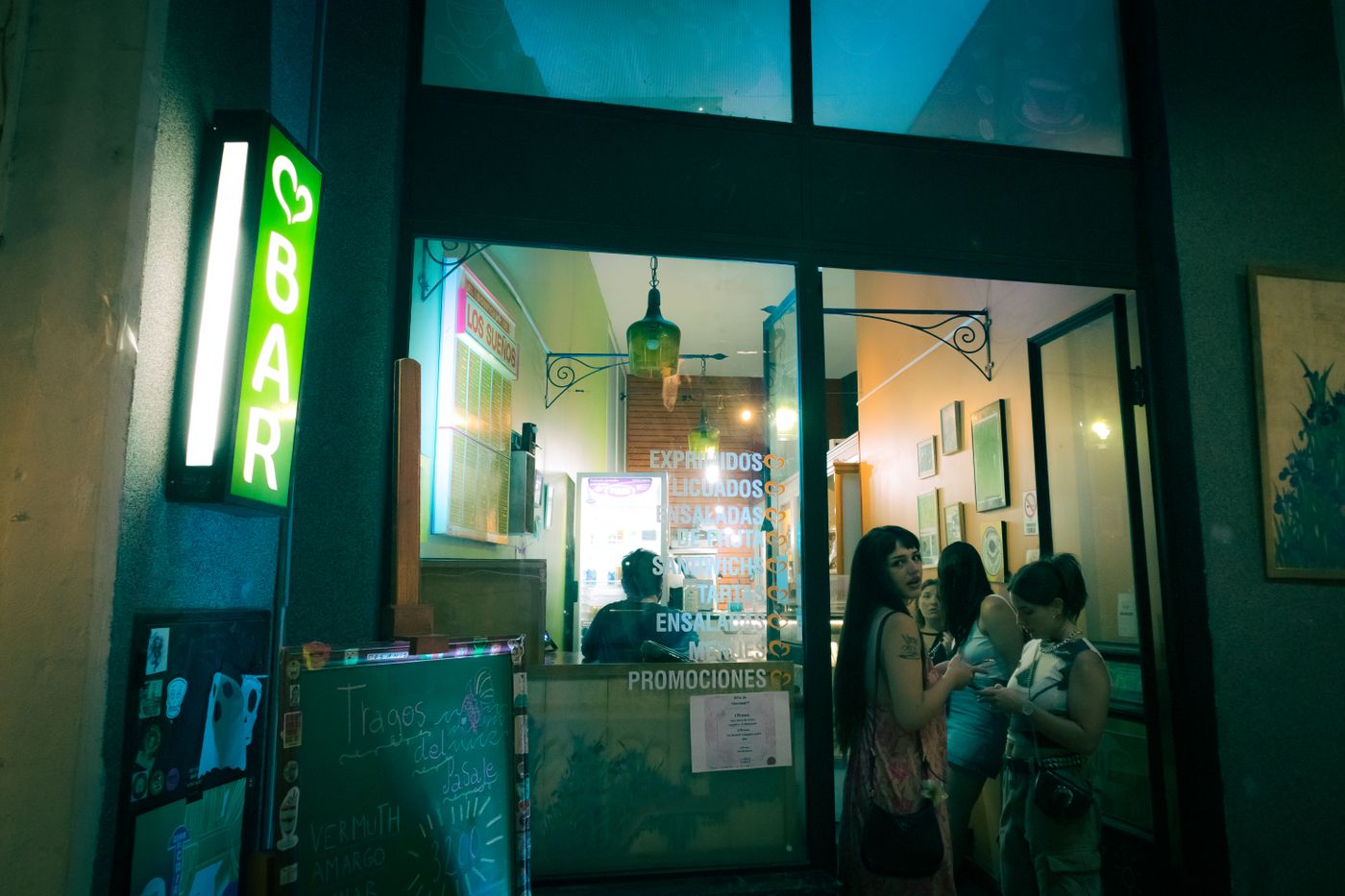 A Weekend of Local Fairs in Córdoba: From Güemes Antiques to Evening Music
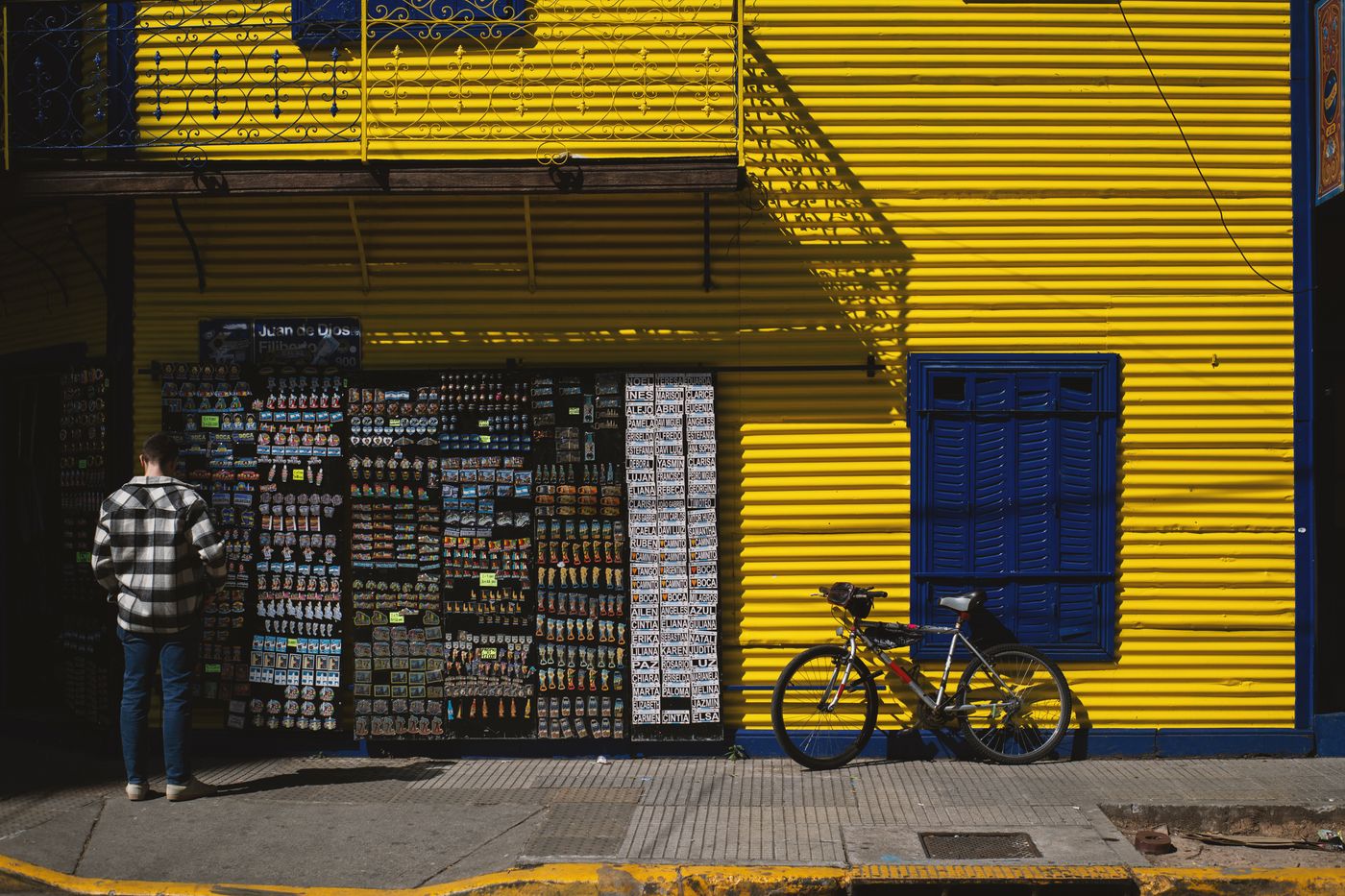 Museo Evita to the Artisan Fair, a student-paced Saturday through Nueva Córdoba
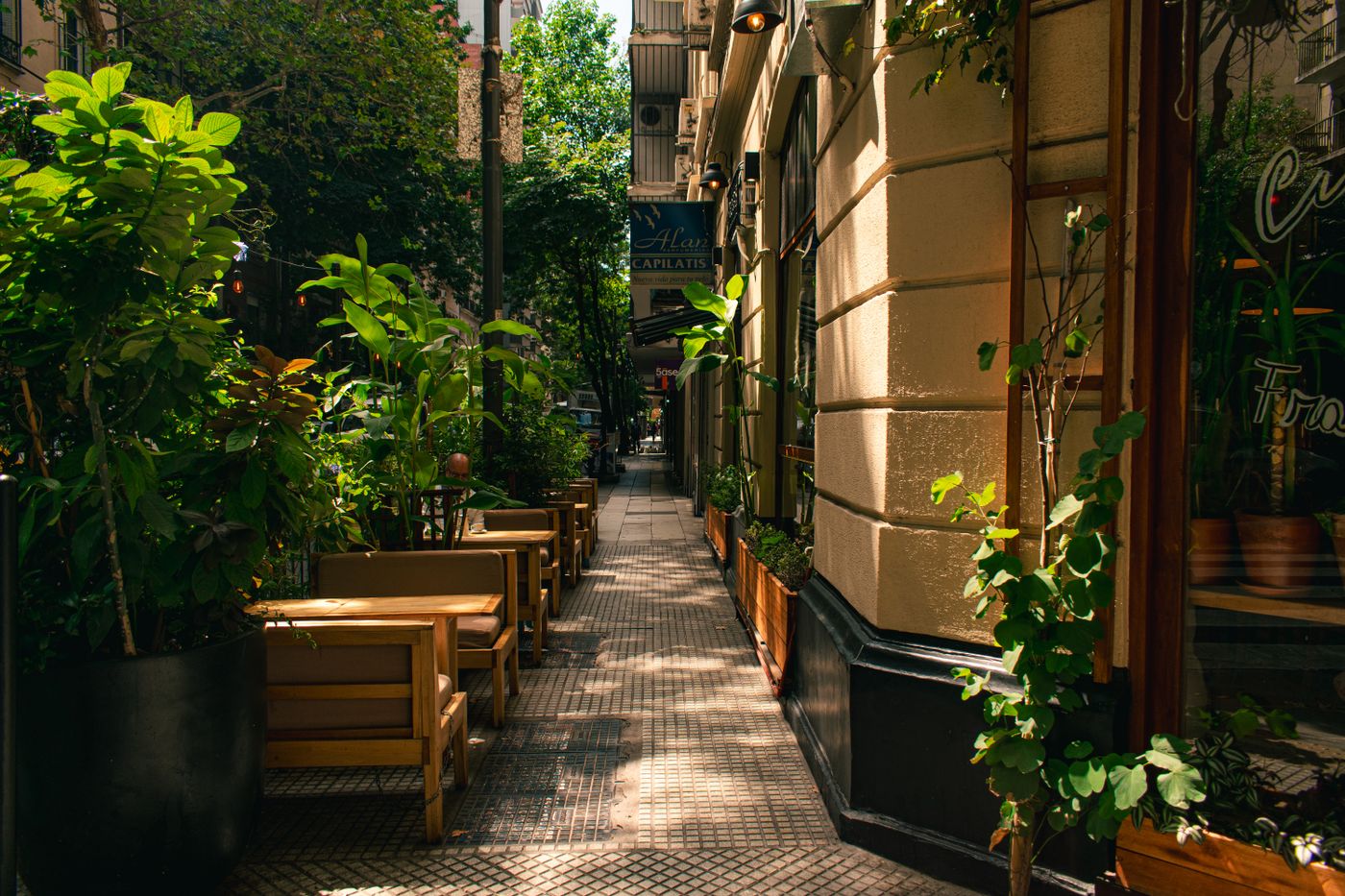 Córdoba on a budget: patios, a secret alley, the river, and a stroll through Güemes to Sarmiento Park
 A family day in Córdoba: parks, a Ferris wheel, and a card show surprise
 makes a personal plan in one tap. Tune it by mood, diet, time, budget, squad — and drop in your own places. Works in 65,000+ cities. It learns what you like, so every next plan fits better. Stop Searching. Start going.
Sources give mixed signals about this spot — we recommend confirming before visiting.
Tap outside to close
Tap outside to close
 squad
squad like
like