
📍 8 stops · ⏱ ~8.5 h

A day built for moving slowly through Mendoza's most interesting interiors — a mix of 20th-century architecture, a museum dedicated to a local master, and a bookstore that feels like a living room. We start in the historic centre, tracing the city's cultural memory, then settle into a long afternoon in Barrio Bombal, where the shops are small, the tea is hot, and the energy is quieter than the vineyard tours.
Want your own personalized plan for free?
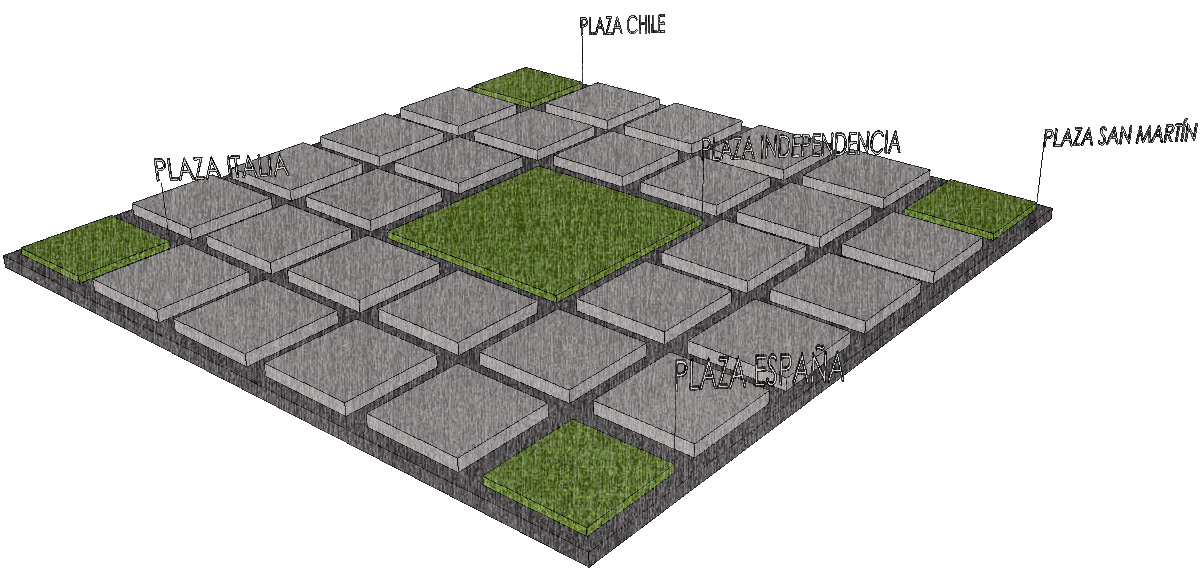
The Museo del Área Fundacional sits on the spot where Mendoza was refounded after the 1861 earthquake. The ruins of the old cabildo are visible under glass floors, and the fountain in the plaza outside marks the exact centre of the original colonial grid. On a grey winter morning the stone feels quieter than the tree-lined newer plazas — fewer pigeons, more history.
Built directly over the excavated foundations of the colonial cabildo and a pre-Hispanic canal, this museum layers Mendoza's history beneath your feet. The glass floors reveal the original cobblestones and irrigation channels that shaped the city; upstairs, a small collection of maps and artefacts traces the urban grid from its 16th-century layout through the post-earthquake reconstruction. It is compact and well-curated — an hour here gives you the city's ground-level story before you walk through the streets above.
The museum is rarely crowded before midday — locals tend to visit on weekends. Go straight to the lower level first, where the ruins are, while the light through the glass is at its brightest. The English signage is sparse, so the map panels upstairs are worth studying before you descend.
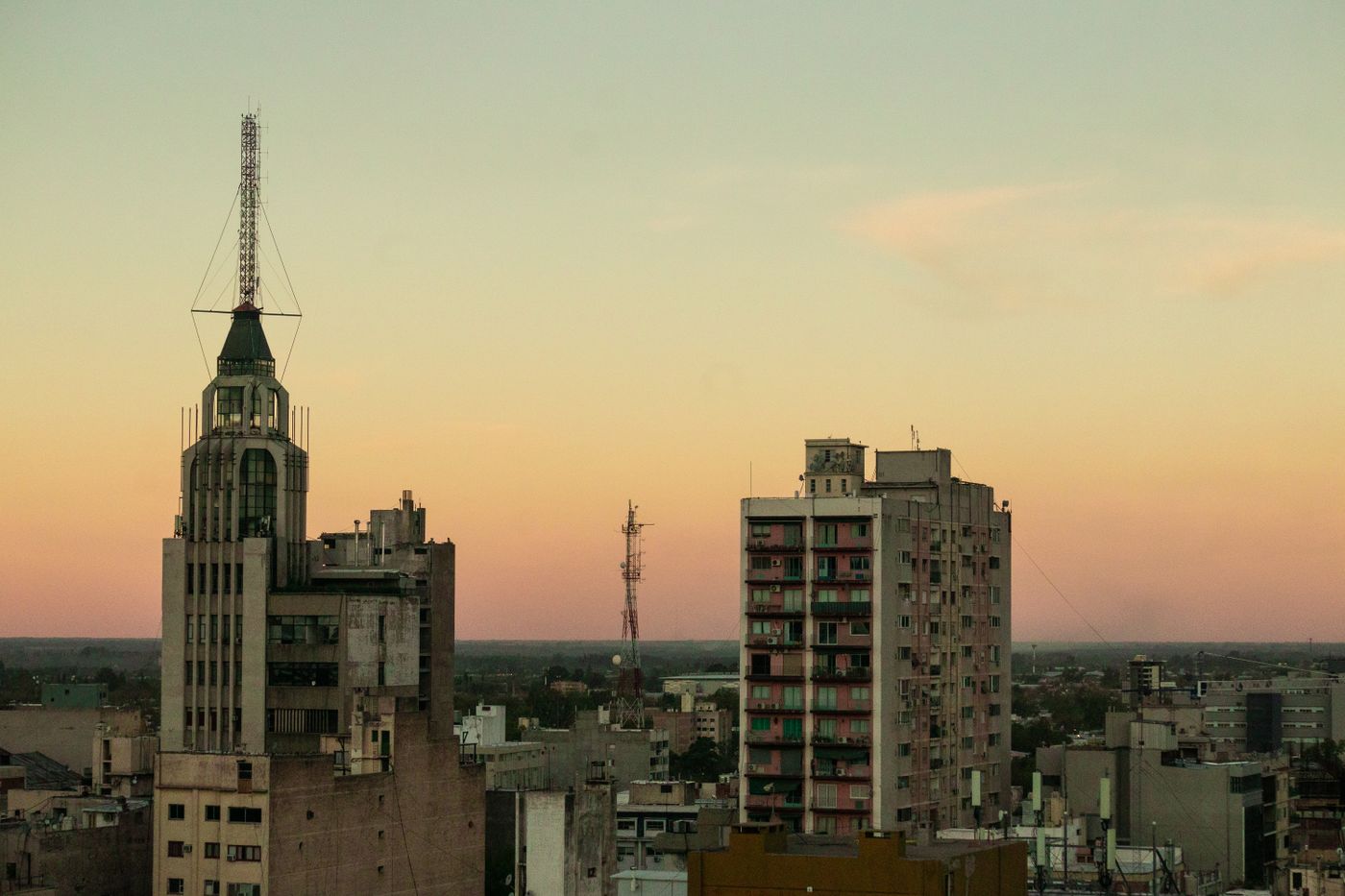
From the plaza, we walk up , the main pedestrian artery of the old centre. The street is lined with mid-century commercial buildings, their facades a mix of art deco and functionalist styles from the 1940s and 50s. On a winter Saturday morning the shops are just opening, and the smell of fresh medialunas drifts from the confiterías tucked between the bookstores.
Housed in the Stoppel Mansion, a beautifully preserved early-20th-century residence with original tilework and a central courtyard, this museum is dedicated to one of Argentina's most important figurative painters. 's work is intense and politically charged — large canvases filled with allegorical figures, drawn from his years in exile during the dictatorship. The mansion itself is half the draw: the rooms retain their domestic scale, so the art feels personal rather than institutional.
Most visitors rush through the exhibition rooms and leave. Walk past the last gallery to the small internal courtyard — it has a single bench and the original Andalusian-style tile fountain. On a rainy day the sound of water on the tiles is the quietest moment in the centre.
Barrio Bombal is a low-rise residential neighbourhood where the last five years have brought an influx of independent designers, tiny tea houses, and concept stores. The streets are lined with plane trees, and the architecture is a mix of original 1930s chalets and sleek new boutiques. It feels less polished than and more lived-in — this is where Mendocinos come for a slow Saturday, not a tourist itinerary.
A small, warm bistro on a Bombal side street, Anna does a short menu of seasonal plates that lean on local produce without the heavy parrilla focus. The room is intimate — exposed brick, low lighting, and a handful of tables — and the cooking is precise: a pumpkin and goat-cheese risotto in winter, a perfectly dressed salad of Mendoza tomatoes in summer. It is the kind of place where lunch stretches easily into a second coffee, and nobody rushes you.
Anna Bistró · Book onlineannabistro.com.arThe window table for two catches the best light and is the warmest spot in winter — reserve it when you book, especially on a Saturday.
A family-run bookshop that has been in Barrio Bombal for decades, García is the kind of place where the staff know the stock by heart and will pull a title from a stack without checking the computer. The collection leans toward Argentine literature and art books, with a strong selection of local Mendoza authors and a small English-language shelf. There are armchairs scattered between the aisles, and on a rainy afternoon the sound of pages turning is the loudest thing in the room.
Librería García is the kind of place where you end up carrying more than you planned. If you dropped a bag earlier, the walk through Bombal's side streets — hands free, book in hand — is the best hour of the afternoon. Pull up the map to find the little design shops tucked three blocks east; they are easy to miss without a live pin.
Store your bagsRadical StorageThe three blocks east of Librería García hold a cluster of small ateliers and concept stores — leather goods, ceramics, and a tiny perfumery where the owner blends scents inspired by the . The storefronts are unmarked or marked only by a single hand-painted sign; you find them by looking for the warm light spilling onto the pavement.
A small design store stocking work by independent Argentine creators — hand-printed textiles, leather wallets from a workshop, and ceramics glazed in the earthy ochres of the Mendoza foothills. Everything is made in Argentina, and the owner can tell you the story behind each piece.
Tucked into a converted house on a Bombal side street, Alcayota is a tea house that feels like a friend's living room — mismatched armchairs, shelves of books, and a fireplace lit on winter afternoons. The tea list is long and serious, with blends sourced from a Buenos Aires tea master, and the pastries are baked in-house: the lemon cake with a thick layer of meringue is the thing to order. It is the natural end to a slow neighbourhood afternoon.
The design shops east of the bookstore are easy to miss — they sit on quiet residential blocks without obvious signage. A little data to keep the walking route on screen means you spot the hand-painted sign for the perfumery instead of walking straight past it.
Get an eSIMAiralois the heart of Mendoza's everyday life — four square blocks of paved paths, rose gardens, and a central fountain where families gather in the early evening. On a winter Saturday the craft vendors set up along the western edge, and the smell of roasted chestnuts drifts from the corner stalls. The plaza empties slowly as the sun drops behind the , replaced by the warm glow of the surrounding cafés.
is a small vermouth bar a block from the plaza, part of a broader Argentine vermouth revival that has taken hold in Mendoza over the last few years. The room is narrow and tiled, with a long wooden bar and a wall of vermouth bottles from producers across the country. Their house pour is a Mendocino vermouth on tap, served with a slice of orange and a soda siphon on the side — bitter, herbal, and exactly right before dinner. From Tuesday to Saturday they run a vermouth hour from 6:00 to 7:30 PM, when the place fills with locals stopping in on their way home.
The 6:00 to 7:30 PM vermouth hour is when the bar is at its best — locals crowd the counter, the music is low, and the house vermouth is poured generously. Come right at 6:00 to grab a stool.
The plaza is at its best in the hour before sunset, when the last light hits the facade of the and the rose garden glows. The central fountain is the gathering point, and the benches along the western path offer a clear view of the on a cloudless winter evening. Street musicians often set up near the theatre entrance, and the craft stalls stay open until the light fades. It is the natural end to a day spent indoors — a moment of open sky before the night sets in.
The benches along the western edge of the plaza, near the rose garden, catch the last direct sun of the day. In winter the light is low and golden from about 17:30 — sit there with whatever you carried from the vermouth bar and watch the plaza shift from afternoon to evening.
 makes a personal plan in one tap. Tune it by mood, diet, time, budget, squad — and drop in your own places. Works in 65,000+ cities. It learns what you like, so every next plan fits better. Stop Searching. Start going.
Sources give mixed signals about this spot — we recommend confirming before visiting.
Tap outside to close
Tap outside to close
 squad
squad like
like