
📍 8 stops · ⏱ ~8.5 h · 🎟 from €15

A first-time walk through Linz that starts on the castle rock, threads through the old centre, crosses the Danube to the Lentos, then climbs Pöstlingberg for the view that ties the whole city together — a day of stone courtyards, Baroque spires, river light, and one very steep tram ride.
Want your own personalized plan for free?
The is where Linz began — a granite outcrop above the Danube that has held a fortress since Roman times. Walking up through the castle gate, the city peels away behind you: red roofs, the river bending east, the smokestacks of the industrial quarter on the far bank. The climb is short but steep, and the view from the terrace is the one that explains why anyone settled here at all.
The south wing of the castle holds the Schlossmuseum, the Upper Austrian provincial museum. Its collection traces the region's cultural and natural history from the to the 20th century — Roman milestones, Gothic altarpieces, folk art, and a room of medieval stained glass that glows in the morning light. The building itself is a palimpsest: Roman foundations, a 15th-century great hall rebuilt after a fire in 1800, and a modern glass-and-steel wing added in 2009. Spend an hour in the quieter rooms upstairs before the midday crowd arrives.
Things to do nearby Linz: Echoes of Culture Audio Tour
WeGoTrip
from €10
Linz: Echoes of Culture Audio Tour
WeGoTrip
from €10
After the museum, walk through the inner courtyard to the south terrace — the view over the Danube and the Urfahr district on the far bank is the best free panorama in the city, and most visitors miss it because they exit straight to the street.
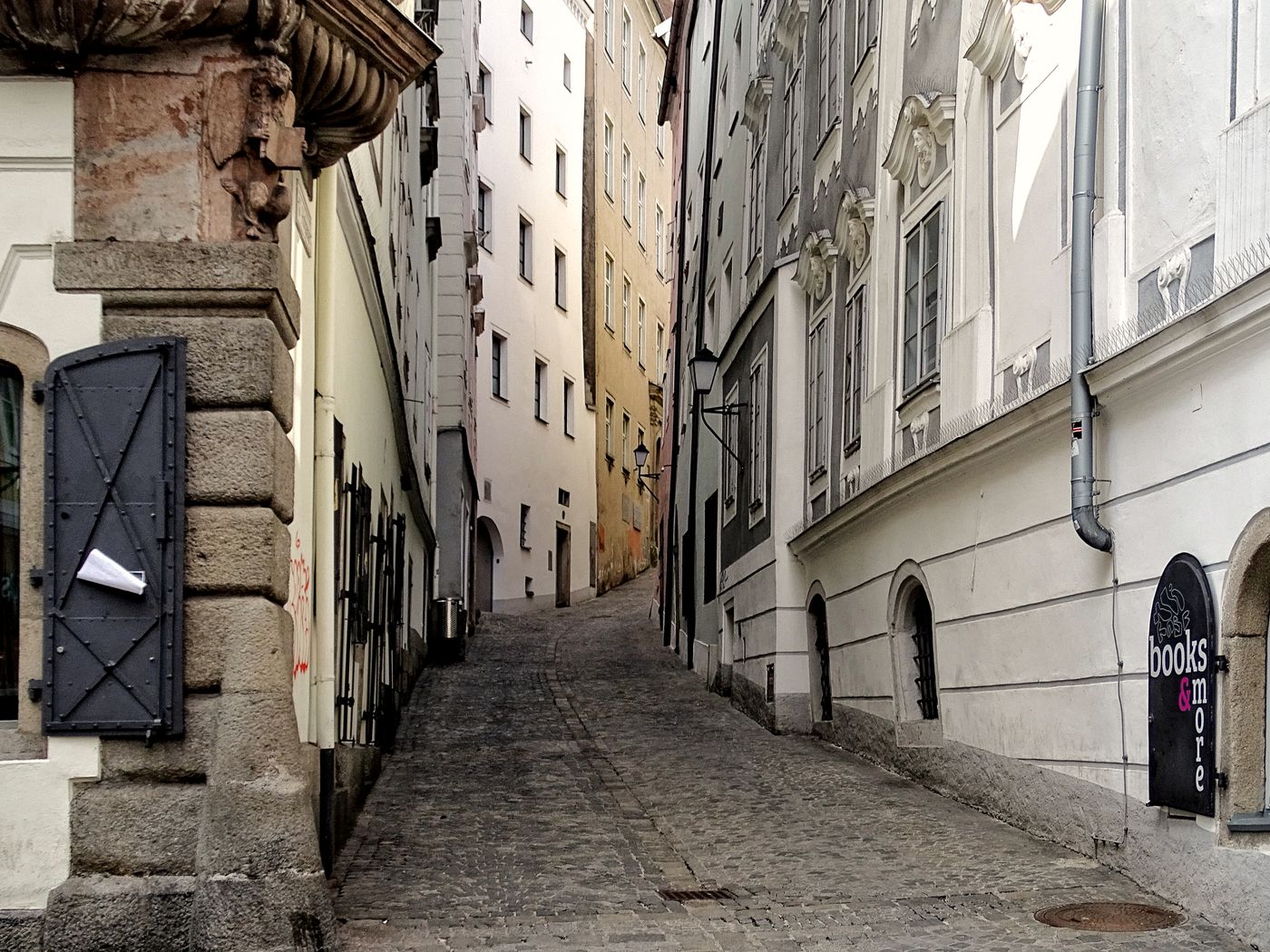
The old town clusters tightly at the foot of the , a web of cobbled lanes and pastel-coloured facades built after the great fire of 1800. The architecture here is mostly Baroque and early 19th-century, with wrought-iron shop signs and inner courtyards that open unexpectedly through narrow passageways. On a Saturday morning the streets are still quiet — the market crowd gathers on the Hauptplatz, not here.
Built between 1669 and 1683, the was the Jesuit church of Linz and later the city's cathedral until the larger Mariendom was completed in 1924. The interior is a single-nave Baroque hall with white stucco, dark wood confessionals, and a high altar framed by twisted marble columns. served as organist here from 1856 to 1868, and the organ loft still holds the instrument he played — look up at the gilded pipes and imagine the Sunday-morning sound filling this compact, warm space.
Old Cathedral (Alter Dom) · Book onlineGetYourGuideThe is one of the largest town squares in Austria, a broad rectangle of cobblestones anchored by the 20-metre Trinity Column — a Baroque plague monument built between 1717 and 1723 from white Salzburg marble. Around the square, the buildings span four centuries: Renaissance arcades, pastel Baroque townhouses, and the severe neo-Classical Landhaus facade on the east side. On a Saturday, the market stalls set up early with local produce, flowers, and fresh bread — the square buzzes with the rhythm of a working city, not a postcard.
Walk all the way around the column — the three sides depict different patron saints, and the reliefs at the base show the plague's devastation in graphic detail. The marble came from the same quarry that supplied Salzburg's cathedral.
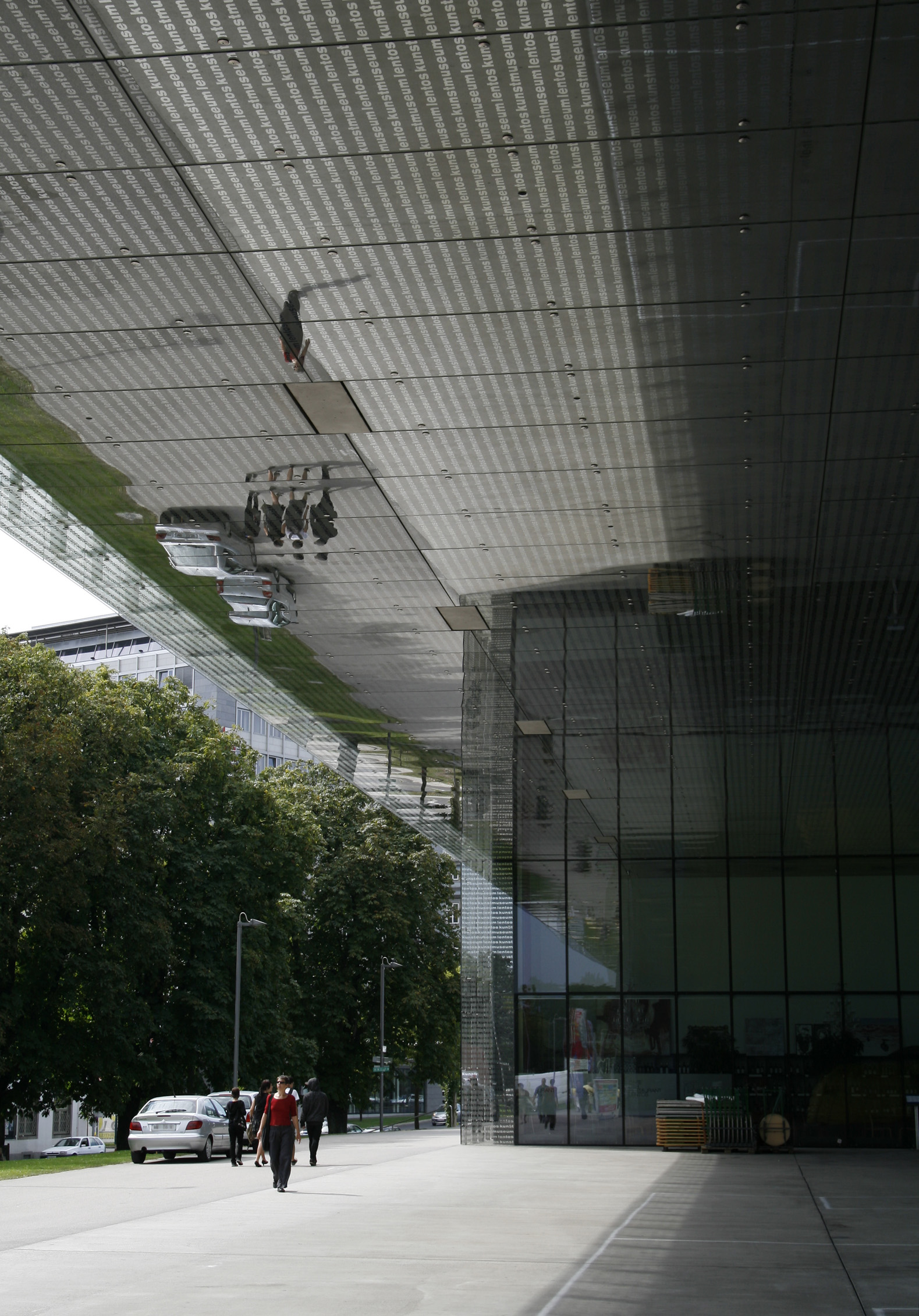
The south bank of the Danube is Linz's cultural ribbon: the transparent blue-glass cube of the sits right at the water's edge, and the Donaupark stretches east along the river. The contrast with the old town on the north bank is deliberate — this is the Linz that rebuilt itself as a European Capital of Culture in 2009, a city that turned its industrial riverfront into a public promenade.
The Lentos is Linz's museum of modern and contemporary art, housed in a striking glass building by Zurich architects Weber & Hofer that glows blue at night. The permanent collection holds around 1,700 works with a strong focus on European painting from the first half of the 20th century — , , and sit alongside German Expressionists and a deep holdings of Austrian interwar art. The riverside galleries on the upper floor flood with natural light; the lower level hosts rotating temporary exhibitions. The café terrace over the Danube is worth a pause even if you don't eat.
Lentos Art Museum · Book onlineGetYourGuideThe best natural light is in the upper galleries between 13:00 and 15:00 — the sun angles directly onto the river-facing wall, and the landscapes glow in a way the catalogue reproductions never capture.
The Donaupark is a long, narrow green space wedged between the Danube and the concert hall, part of the city's Culture Mile. Sculptures dot the lawns — 's geometric forms and other public artworks installed during the 1977 festival — and the gravel paths offer a quiet riverside walk with views of the Pöstlingberg on the far bank. Locals come here to read on the benches or cycle along the Danube path; it's a breathing space between museum halls and the next leg of the day.
A 45-minute boat tour through the Linz industrial harbour, one of the largest inland ports on the Danube. The boat weaves between container ships and grain silos, and the guide explains how the port shaped the city's steel and chemical industries. It's a working harbour, not a tourist marina — the scale of the cranes and the river traffic gives a completely different angle on a city most visitors only see from the old town. Tickets from €15; book ahead on the Viator page.
Linz harbour tour by boat · Book a tourViatorfrom €15The calls itself the Museum of the Future, and the nickname fits — it's a hands-on laboratory of interactive art, artificial intelligence, robotics, and biotechnology spread across a glass building designed by Treusch architecture. The permanent exhibits include , a room-sized laser projection that renders satellite imagery of Earth in staggering resolution, and the where visitors can train simple neural networks. The building itself is a statement: LED panels on the facade light up at dusk, and the whole structure reflects in the Danube. Allow at least 90 minutes; the interactive stations reward curiosity over speed.
Ars Electronica Center · Book onlineGetYourGuideThe presentations run on a schedule — check the times when you arrive and plan your route through the museum around the next show. The satellite flyover of the Alps is the one locals recommend.
The is a narrow-gauge tram that climbs 255 metres in just over four kilometres, making it one of the steepest adhesion railways in Europe. The cars are vintage 1950s stock, restored in cream and red, and the ride takes about 20 minutes. As the tram rises, the city spreads out below: the Danube's silver curve, the castle on its rock, the twin spires of the Mariendom, and on clear evenings the Alps on the southern horizon.
The summit of is crowned by the pilgrimage basilica of the , a twin-towered neo-Gothic church completed in 1748 that is visible from almost anywhere in Linz. The viewing platform behind the church offers a panorama that stretches from the Mühlviertel hills in the north to the Alpine foothills in the south, with the entire city laid out along the Danube below. There's a small café near the tram stop, and the — a 104-year-old fairy-tale ride through a dragon-guarded cave — operates in the fortress tower nearby. The evening light here is the payoff for the whole day: the river turns gold, the Lentos glass cube catches the sunset, and the city's industrial and baroque halves resolve into a single view.
Pöstlingberg · TicketsViatorInside the fortress tower below the basilica, the is a miniature railway through scenes from Grimm's fairy tales, lit by black light and built in 1906. It's surreal, nostalgic, and genuinely strange — the kind of thing that makes sense only on a hilltop pilgrimage site in Upper Austria. Open until 18:00 in summer.
The tram runs until late evening — stay on the viewing platform until the sun drops behind the Alps. The city lights come on in stages: first the bridges, then the , then the facade.
The runs until around 22:00 on summer Saturdays, but the timetable thins after 20:00 — pull up the schedule on the website while you're still at the top so you know exactly when to walk back to the station. A quick check saves a long walk down the hill in the dark.
Get an eSIMAiralo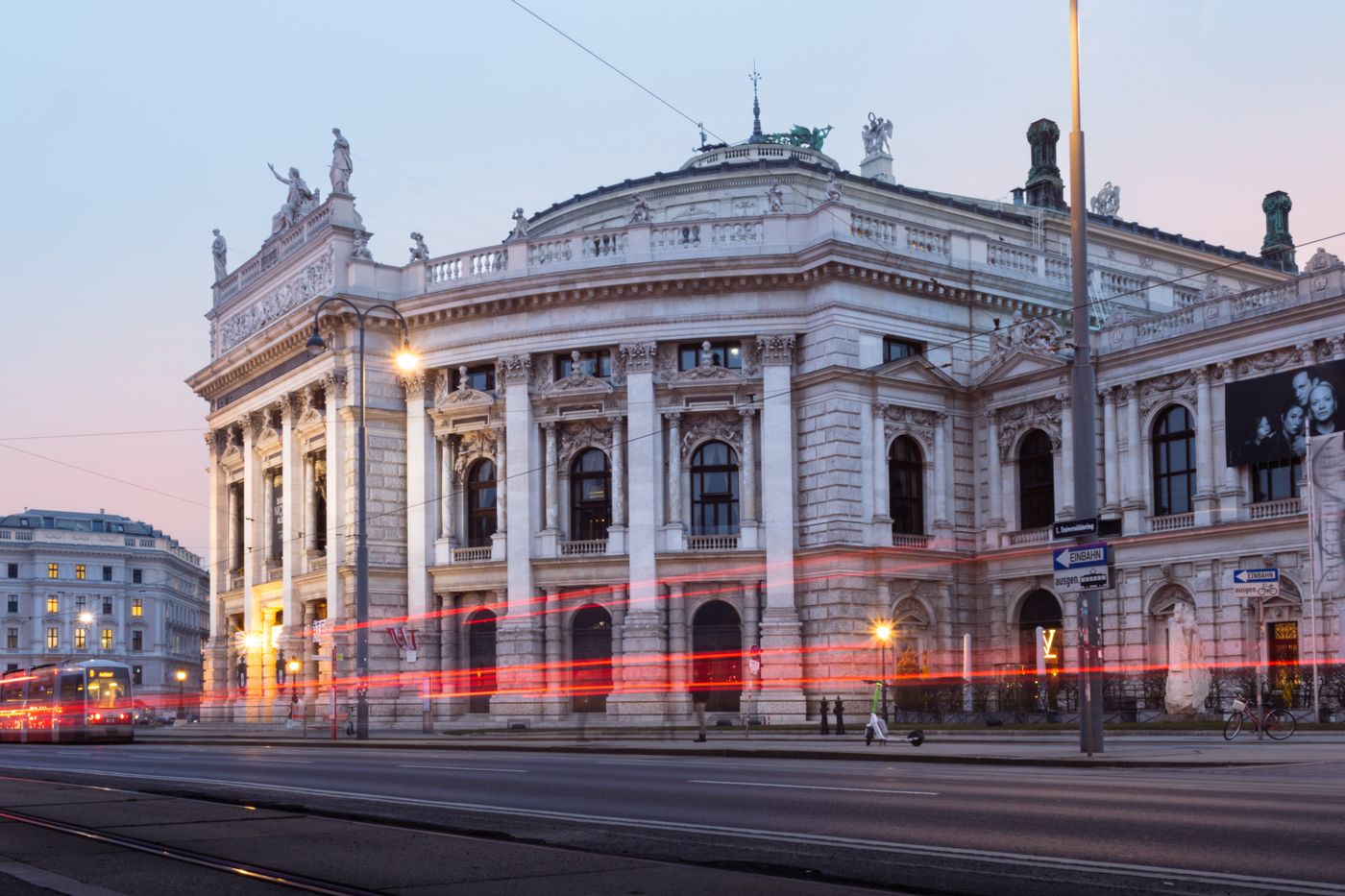 A Linz food day from breakfast pastries to riverside snacks and a Tabakfabrik finale
 Linz First-Timer: Art on the Danube, the Old Town, and Up to Pöstlingberg
 Linz food day: breakfast at Gelbes Krokodil, the Pride street feast, and Pöstlingberg cakeDanube morning, Hauptplatz lunch, and the Ars Electronica Center after dark
 makes a personal plan in one tap. Tune it by mood, diet, time, budget, squad — and drop in your own places. Works in 65,000+ cities. It learns what you like, so every next plan fits better. Stop Searching. Start going.
Sources give mixed signals about this spot — we recommend confirming before visiting.
Tap outside to close
Tap outside to close
 squad
squad like
like