
📍 7 stops · ⏱ ~13.5 h

This day traces Namur's layered identity — from the cobbled old town and a surprising Art Deco quarter to the riverside funfair that fills a summer evening — all on foot through the city's compact centre.
Want your own personalized plan for free?
Namur's historic centre is small enough that you can cross it in fifteen minutes, but its lanes reward a slow morning. Rue des Brasseurs and the streets around Place d'Armes still hold the scale of a medieval market town, with limestone facades and sudden glimpses of the Meuse between buildings. On a Saturday the bakers have been at work since dawn — the smell of warm bread drifts out of half-open doors.
One of Belgium's UNESCO-listed belfries, this 14th-century tower rises from the Place d'Armes. The climb is narrow and winding, but the viewing platform at the top opens over the old town's rooftops, the Sambre and Meuse confluence, and the citadel hill opposite. The clock mechanism, still working, has marked civic hours for centuries.
UNESCO Belfry of Namur · TicketsViator Things to do nearby Self Guided Secrets of Verviers Exploration Game Tour
Viator
from €20
Self Guided Secrets of Verviers Exploration Game Tour
Viator
from €20
On Place d'Armes, just below the belfry, two cartoonish bronze figures — Djoseph and Françwès — are frozen mid-argument. The sculptor, Suzanne Godart, cast them in 2000 as a tribute to Walloon folklore. Locals rub the bald head of one for luck; it's polished bright from years of hands.
A short walk from Place d'Armes, a vast mural covers the gable of a building on Rue des Brasseurs. La Fresque des Wallons paints over two hundred figures from Walloon history and culture across the facade — artists, writers, inventors, and folk heroes. It was completed in 2004 and has become a kind of open-air portrait gallery of the region's memory.
The only Baroque cathedral in Belgium, Saint-Aubin was built in the 18th century on the site of an earlier collegiate church. The interior is a surprise after the plain stone exterior: black-and-white marble, twisted columns, and a dome painted with a heavenly scene. The treasury holds a small collection of goldsmith work and reliquaries.
Namur is mostly known for its medieval and Baroque centre, so the Quartier des Carmes catches people off guard. This small district, rebuilt in the 1920s and 1930s, is dense with Art Deco apartment buildings — geometric ironwork, rounded corner windows, ceramic panels above doorways. It's a quiet residential pocket, and walking through it feels like stepping into an architectural time capsule that few visitors find.
A tavern-restaurant on the citadel side of the old town, with a terrace that looks across the Meuse valley. The menu is brasserie-style — local dishes, a good carbonnade, and a Namurese gin on the drinks list. The dining room is decorated with regional antiques and old photographs of the city, which gives it the feel of a family-run place that has been here a long time.
The terrace at Le Fief catches the midday light across the Meuse — it's one of the few restaurant terraces in the old town with an open vista rather than a wall opposite. On a clear July day, the citadel's ramparts are sharp against the sky.
Tucked into the citadel grounds, this garden of scents holds over 350 varieties of aromatic and medicinal plants. The beds are arranged by fragrance — herbs, roses, lavender — with Braille labels and raised planters designed so visitors can touch and smell. Entrance is free, and in July the lavender and sage are at their peak.
From the garden, the rampart paths lead to viewpoints over the confluence of the Sambre and Meuse — the strategic reason Namur's citadel was fought over for centuries. The stone walls here are a patchwork of eras: medieval foundations, Spanish bastions, Dutch reinforcements, and 19th-century modifications. On a summer afternoon the light is sharp, and the rivers below are dotted with barges and pleasure boats.
A medieval-inspired garden on the citadel grounds, laid out between two surviving towers. The planting follows medieval patterns — raised beds of medicinal herbs, a small orchard, and climbing roses trained over wooden trellises. It's a quiet, enclosed space with stone benches, open Tuesday to Sunday afternoons in summer.
The Jardin des deux tours only opens from 2:00 PM to 6:00 PM, Tuesday to Sunday. Arriving mid-afternoon means the sun has warmed the stone walls and the herbs release their scent — earlier in the day the garden is still in shadow.
The path along the Meuse runs from the foot of the citadel into the heart of the city. In the late afternoon the water catches the low sun, and the bridges — especially the Pont des Ardennes — frame the view back towards the old town. This stretch is where Namur feels most like a riverside city: families walking, cyclists passing, terraces filling up on the opposite bank.
Near the Pont des Ardennes, a monumental bronze horse rears above the riverbank. Le Cheval Bayard is a modern sculpture by Olivier Strebelle, installed in 2000, and it has become one of Namur's most photographed landmarks. The horse is mid-gallop, muscles tensed, and the setting — against the water with the citadel behind — makes it feel larger than it is.
From the Cheval Bayard, the riverbank path continues towards the fairground site. In July the Namur Fair — a grand funfair with over sixty attractions — runs along the Meuse. The sound of fairground organs and the smell of waffles and frying onions drift across the water as you approach. It's a local summer ritual, not a tourist attraction: families come in the evening, teenagers gather by the bumper cars, and the whole riverfront lights up.
A grand summer funfair with over sixty attractions lining the Meuse riverbank — carousels, bumper cars, shooting galleries, and food stalls selling waffles, croustillons, and fries. It's free to enter; rides are paid individually. The fair runs through late July, and on Saturday evenings the whole stretch is lively with families and groups of friends until midnight.
The Namur Fair · Event pagefacebook.comThe croustillons — small, deep-fried dough balls dusted with powdered sugar, served in a paper cone — are the thing to get. Every stall claims to have the best, but the ones near the carousel at the centre of the fairground have been there for decades and are reliably crisp and hot.
The fair gets busiest after 19:00 when the lights come on — arrive earlier if you want shorter queues for the rides, or later if you're here for the atmosphere and the food stalls.
As the fairground lights reflect on the Meuse, the evening winds down naturally. The walk back towards the centre follows the water — the citadel is silhouetted on the hill, the bridges are lit, and the old town's streets are quiet after the fair's noise. It's the moment when Namur feels most like itself: a small city with a big river, a hilltop fortress, and a summer night that lingers.
The fair stretches along the riverbank, and the paths back to the old town are well-lit but can be confusing after dark with the crowds. A little data on your phone lets you pull up the route back through the quiet streets behind the quay — the Rue de la Tour and the lanes around are a calmer alternative to the main road.
Get an eSIMAiralopaths are steep cobblestones — not the place to drag a suitcase. If you are between check-out and a late train, there are luggage storage points near the station and in the old town. Stash your bag, and the whole afternoon on the hill opens up hands-free.
Store your bagsRadical Storage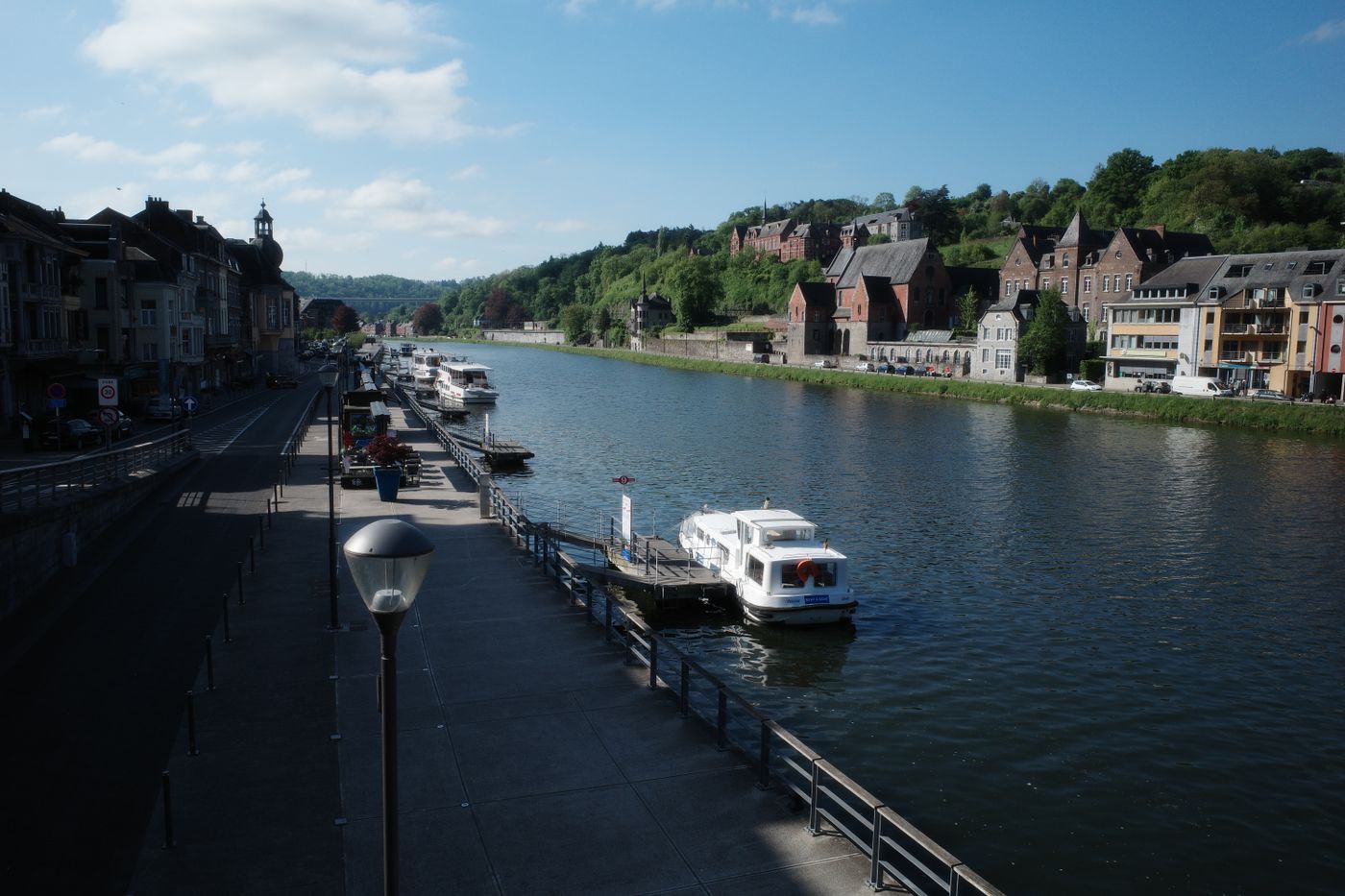 Namur's hidden street art, a waterfront market, and indie shops in the old town
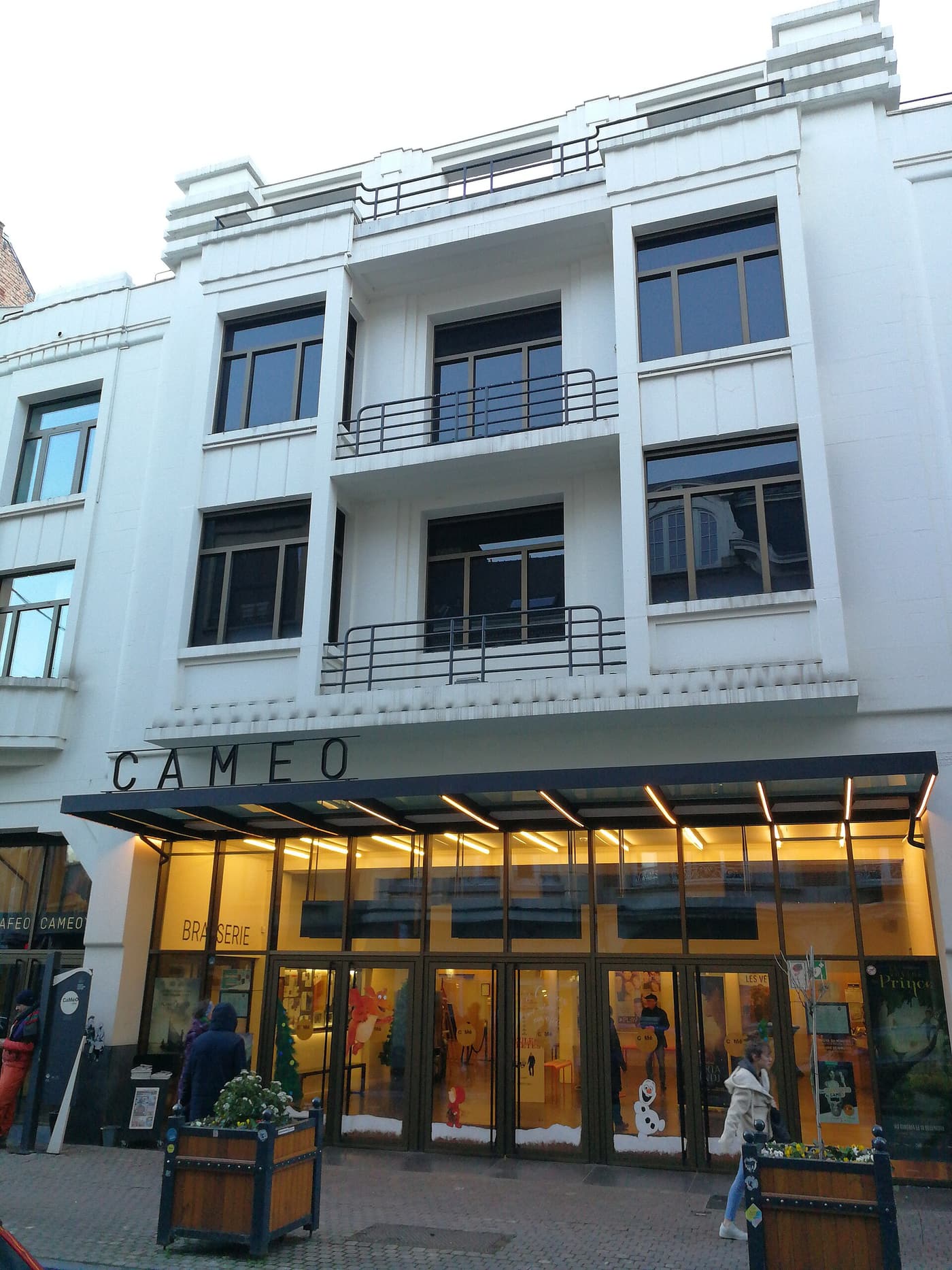 Underground Namur: street art, a Saturday market, and a hidden Art Deco quarter
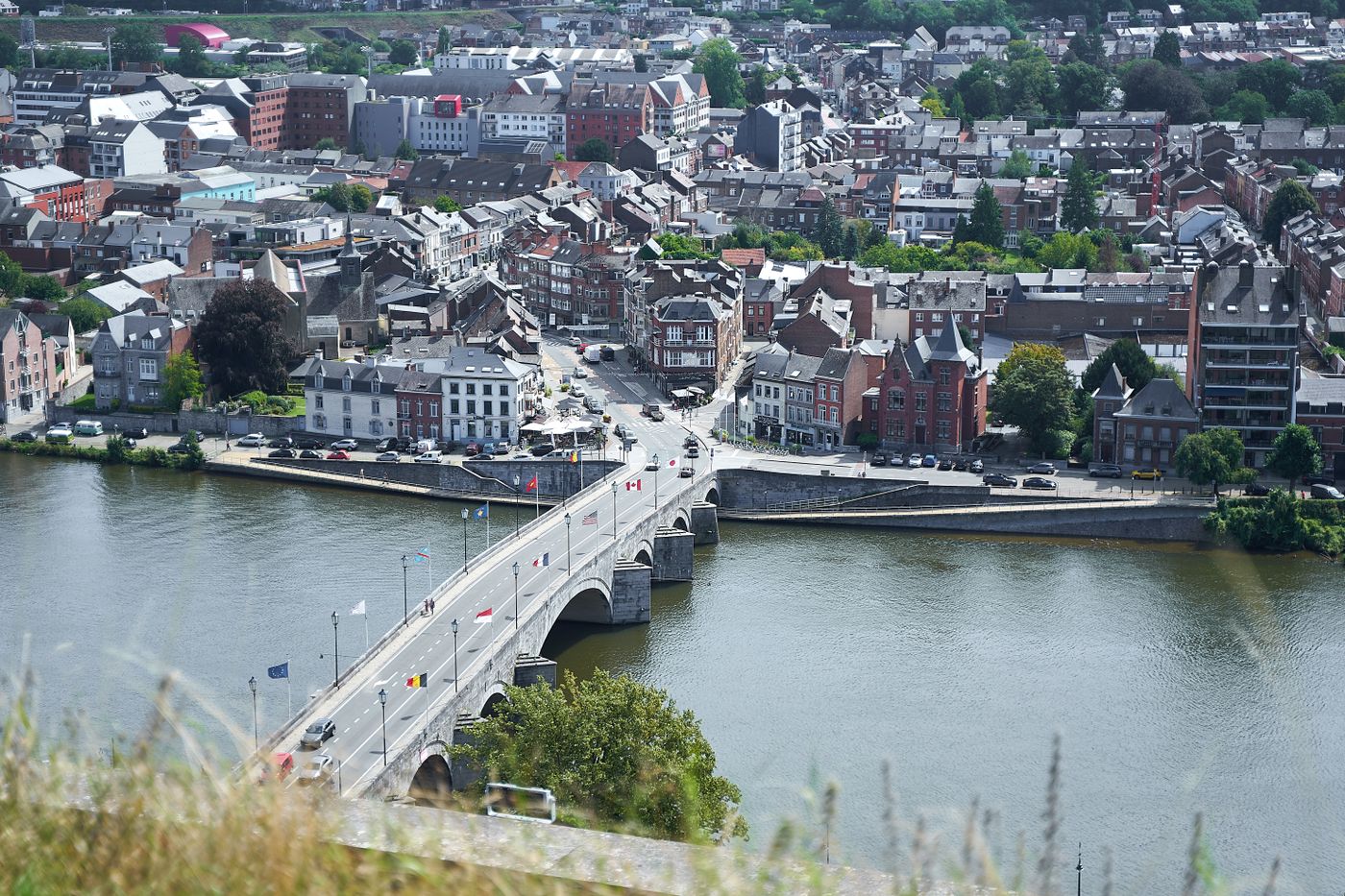 Citadel panoramas, Félicien Rops' dark etchings, and a riverside walk through Namur's historic layers
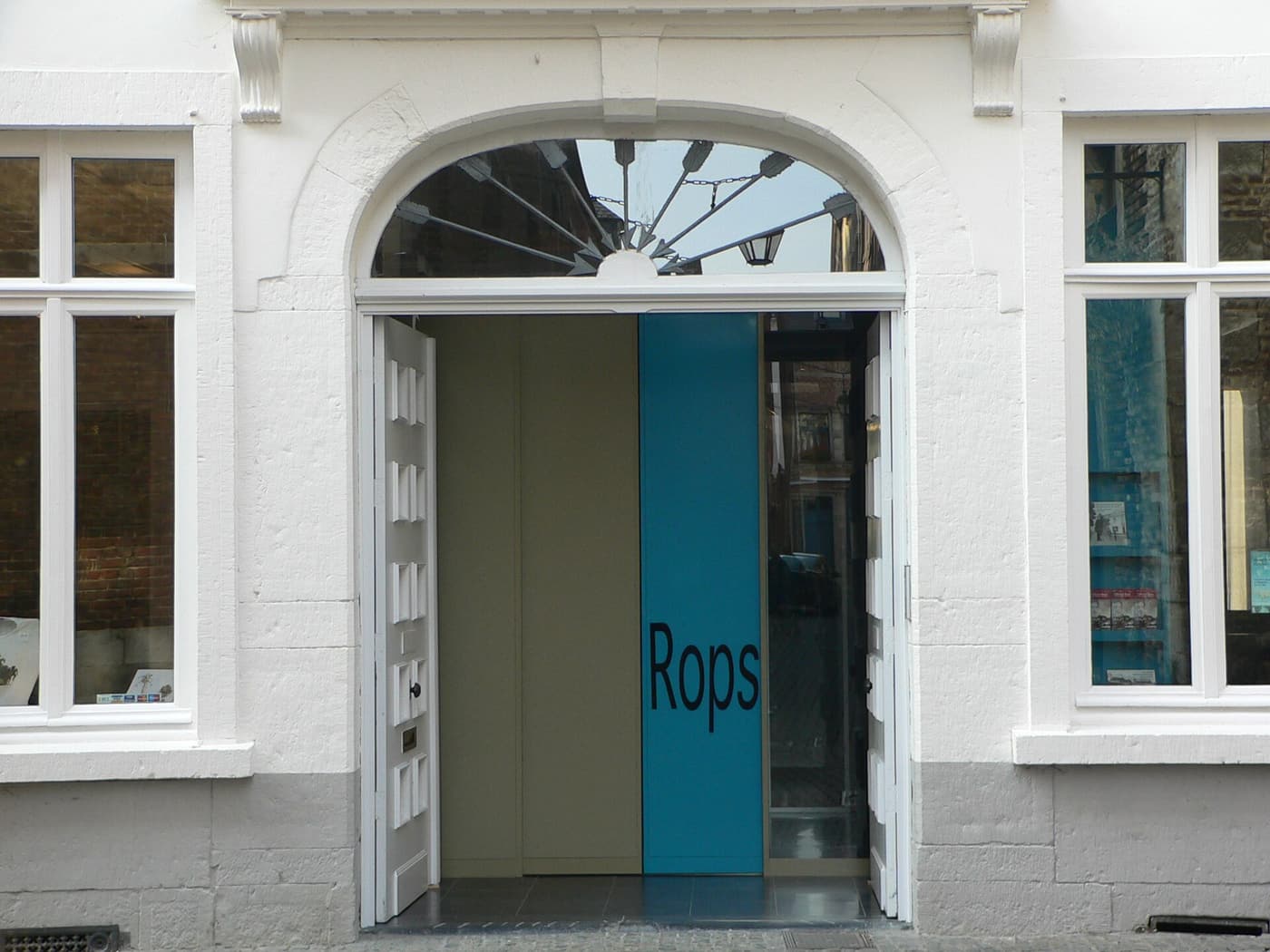 Medieval festival on the citadel, Rops' dark etchings, and live groove into the evening
 makes a personal plan in one tap. Tune it by mood, diet, time, budget, squad — and drop in your own places. Works in 65,000+ cities. It learns what you like, so every next plan fits better. Stop Searching. Start going.
Sources give mixed signals about this spot — we recommend confirming before visiting.
Tap outside to close
Tap outside to close
 squad
squad like
like