
📍 9 stops · ⏱ ~9 h

This is a day that traces Calgary's arc from a frontier fort to a glass-and-steel city, moving from the Bow River pathways into the historic heart of Inglewood and up to the leafy streets of Kensington. It mixes the big-ticket views with the quiet corners locals actually use — a walkable loop that covers the city's essential character in a single, well-paced Saturday.
Want your own personalized plan for free?
The paved trail along the south bank of the Bow River is the city's everyday front porch — joggers, cyclists, and families with strollers move along it from dawn onward. On a summer morning the water is low and clear, and the glass towers of downtown reflect in it. The , a red-and-white tubular span designed by , arcs across the river here like a piece of infrastructure that also wanted to be sculpture. We'll cross it on foot to reach the north side, then loop back later in the day.
Calatrava's red helix bridge, completed in 2012, was controversial when it went up — the price tag raised eyebrows — but it has since become the city's most recognisable piece of modern infrastructure. Walk through it slowly; the glass panels on the sides frame the river and the skyline in shifting slices. Cyclists share the deck with pedestrians, so stay to the right.
Peace Bridge · Book onlineGetYourGuide Things to do nearby Calgary: Echoes of the Past Audio Tour
WeGoTrip
from €10
Calgary: Echoes of the Past Audio Tour
WeGoTrip
from €10
From the north end of the bridge we turn east into the East Village, a neighbourhood that was mostly parking lots and empty land a decade ago. Now it's dense with mid-rise condos, public art, and the swooping roofline of the New Central Library. The streets here are some of the newest in the city, and the whole district feels like a bet Calgary made on itself — one that is still settling in.
Opened in 2018, the library was designed by the Norwegian firm and sits wrapped around an active LRT line — the train enters the building through a tunnel that cuts right beneath the main atrium. The facade is a hexagonal pattern of glass and aluminum that shifts from transparent to opaque depending on the angle. Inside, the top-floor reading room has a long, uninterrupted view west toward the downtown towers. It's free to enter and worth the climb.
Take the elevator to the top floor first — most visitors linger on the ground level and miss the best light. The west-facing windows catch the morning sun, and the long wooden tables are rarely full before 11:00.
Stephen Avenue is Calgary's main historic high street — a pedestrianised stretch between 1st Street SE and 3rd Street SW lined with sandstone buildings from the early 1900s. The facades here were built during the city's first oil-and-cattle boom, and many still carry the names of the original banks and merchants carved above their doorways. On a summer Saturday the street is lively but not overwhelmed — buskers set up near the old Hudson's Bay building, and the patios fill by noon.
The Glenbow is Calgary's flagship museum, holding a collection that spans Western Canadian history, Indigenous art and artifacts, and a strong rotating exhibition program. The permanent galleries walk you through the Blackfoot and Tsuut'ina nations, the fur trade, the railway, and the oil boom — it's the most efficient way to understand how this place became what it is. The building itself is a 1970s concrete block, unremarkable from the outside, but the interior was renovated in recent years and now feels bright and contemporary. Timed-entry tickets are available online and are a good idea on weekends.
Glenbow Museum · Book onlineGetYourGuideThe gets busier after lunch — a 10:30 or 11:00 entry lets you move through the Indigenous galleries and the Western history floor before the crowds build.
Inglewood was Calgary's original downtown before the railway pulled the centre west. Today 9th Avenue is a strip of independent bookshops, vintage clothing stores, record shops, and some of the city's best low-key restaurants. The brick buildings date from the 1910s, and the whole stretch has the kind of unpolished, lived-in character that the glass towers further west lack. On a Saturday afternoon the sidewalks are busy but unhurried — locals run errands, browse, and sit on the patios.
The Esker Foundation is a private contemporary art gallery on the top floor of a converted warehouse in Inglewood. Admission is free, and the exhibitions rotate every few months, usually featuring Canadian and international artists working at a large scale — the high ceilings and open floor plan lend themselves to installations that would overwhelm a smaller space. The gallery also runs a robust public program of talks and workshops. Even if contemporary art isn't your usual thing, the space itself is worth seeing, and the views over the Bow River from the windows are a bonus.
Esker Foundation · Ticketseventbrite.comBecause it's on the fourth floor with no street-level signage, the never gets the walk-in traffic the big institutions do. It's a favourite of local artists and art students — go before 13:00 and you might have the whole gallery to yourself.
By now the patios along 9th Avenue are in full swing. Inglewood has the highest concentration of independent eateries in the city — the kind of places where the menu changes with the seasons and the owners are often behind the bar. We'll pick a spot with a sidewalk table, eat slowly, and watch the neighbourhood go about its Saturday.
Ten Foot Henry is a vegetable-forward restaurant in a bright, plant-filled room on 1st Street SW — a short walk back from Inglewood toward the Beltline. The menu is built around sharing plates: charred cabbage with tahini, tomato toast with whipped feta, and a handful of well-executed meat and fish dishes. It's been a local favourite since it opened in 2017, and the weekend brunch-lunch service runs until mid-afternoon. The room is airy and modern, with big windows that let in the midday light.
Ten Foot Henry · Book onlineopentable.comOrder three or four dishes for two people — the menu is designed for sharing, and the staff are good at pacing the plates so nothing arrives cold.
Kensington is Calgary's most walkable shopping district — a stretch of Kensington Road and 10th Street NW lined with bakeries, bookstores, boutiques, and the kind of cafés where people linger over a single coffee for an hour. The side streets are residential, with big elm trees and early-20th-century houses, and the whole area has a quieter, more settled pace than the downtown core. On a warm August afternoon the patios are full and the ice-cream shops have queues out the door.
Village Ice Cream is a Calgary-born chain that started small and earned a loyal following for its rich, small-batch flavours — the salted caramel and the vegan coconut are the standouts. The Kensington location is tiny, with just a few stools inside, so most people take their cones and walk. On a hot August day the line moves fast, and the cold treat is a perfect excuse to wander the side streets.
Kensington's retail mix is one of the best in the city for an unhurried browse. on Kensington Road is a well-stocked independent bookstore with a good Canadian literature section. A few doors down, the shops shift from vintage clothing to handmade ceramics to a small record store. There is no agenda here — just wander in and out, and let the afternoon stretch.
Kensington Road between 10th Street and 14th Street NW is the densest block for independent shops. Start at the west end and work east — the light is better for window-shopping in the afternoon.
Prince's Island is a flat, grassy island in the Bow River, connected to the mainland by three footbridges. It was named for , a lumberman who built a sawmill here in the 1880s, and today it's the city's most central green space — a mix of manicured gardens, wilder wooded paths, and open lawns where people throw frisbees and picnic blankets. The downtown towers rise just beyond the treeline, close enough to remind you where you are but far enough that the city noise fades to a hum.
The park's main path loops the island in about 20 minutes, passing a small amphitheatre, a flower garden, and several quiet benches tucked under the cottonwoods. The north side of the island faces the river and the Kensington escarpment; the south side looks straight at the downtown skyline. It's a good place to sit for a while — the late-afternoon light on a summer Saturday turns the glass towers gold, and the park fills with families and couples walking off lunch.
Prince's Island Park · Book onlineGetYourGuideBuilt in 1967 to mark Canada's centennial, the was the city's tallest structure for decades and remains its most recognisable silhouette. The observation deck sits 191 metres up, with a glass floor that extends over the edge — the view stretches from the downtown grid to the Bow River Valley, the foothills, and on a clear day the Rocky Mountains on the western horizon. Go in the late afternoon, when the light is low and the mountains catch the last of the sun. Timed-entry tickets are available online and are worth booking ahead on a summer Saturday.
Calgary Tower · Book onlineGetYourGuideAim for a 17:00 entry — the light is best for photos, and the tower is less crowded than at midday. The glass floor is the main event; don't skip it.
From the tower we walk a few blocks south into the Beltline, a dense residential neighbourhood just below the downtown core that has become the city's best eating and drinking district over the past decade. 17th Avenue SW is its main artery — a long strip of restaurants, wine bars, and independent shops that hums from late afternoon until well past midnight. The crowd is a mix of young professionals, couples on date night, and groups of friends spilling from one patio to the next. We'll find a table with a view and let the evening settle in.
Vero Bistro Moderne sits on 17th Avenue NW in Kensington, a short walk back from the Beltline — it's a small, intimate room with a European-inflected menu that changes with the seasons. The dishes lean toward French and Italian comfort food done with care: think handmade pastas, roasted meats, and a short but well-chosen wine list. The patio is one of the best in the neighbourhood on a summer evening, tucked away from the main road noise. It's the kind of place where dinner feels like an occasion without being stuffy — perfect for winding down a full day on your feet.
The patio seats fill up fast on summer Saturdays — book a table for 18:00 or 18:30 to catch the golden hour. The handmade pastas are the move.
The stretch of the Bow River pathway near the 14th Street bridge is quieter than the downtown sections — fewer cyclists, more benches, and a wide view of the water as it curves south toward the Stampede grounds. In late summer the sun sets around 21:00, and the sky behind the Rockies turns pink and orange. It's a calm, unscripted end to a day that has covered a lot of ground — the river, the history, the art, the food, and the skyline, all in one loop.
The pathway is well-lit until late, but if you need to pull up a map to find the quickest route back to your hotel or a late-night stop, having a little data on your phone makes it seamless — the river path winds more than the street grid, and a live map saves a wrong turn.
Get an eSIMAiraloIf you checked out this morning or arrived early and have been carrying a daypack, there are luggage storage points near the downtown core. Stash your bag before the — walking the observation deck and the Beltline hands-free is a much better way to finish the day.
Store your bagsRadical Storage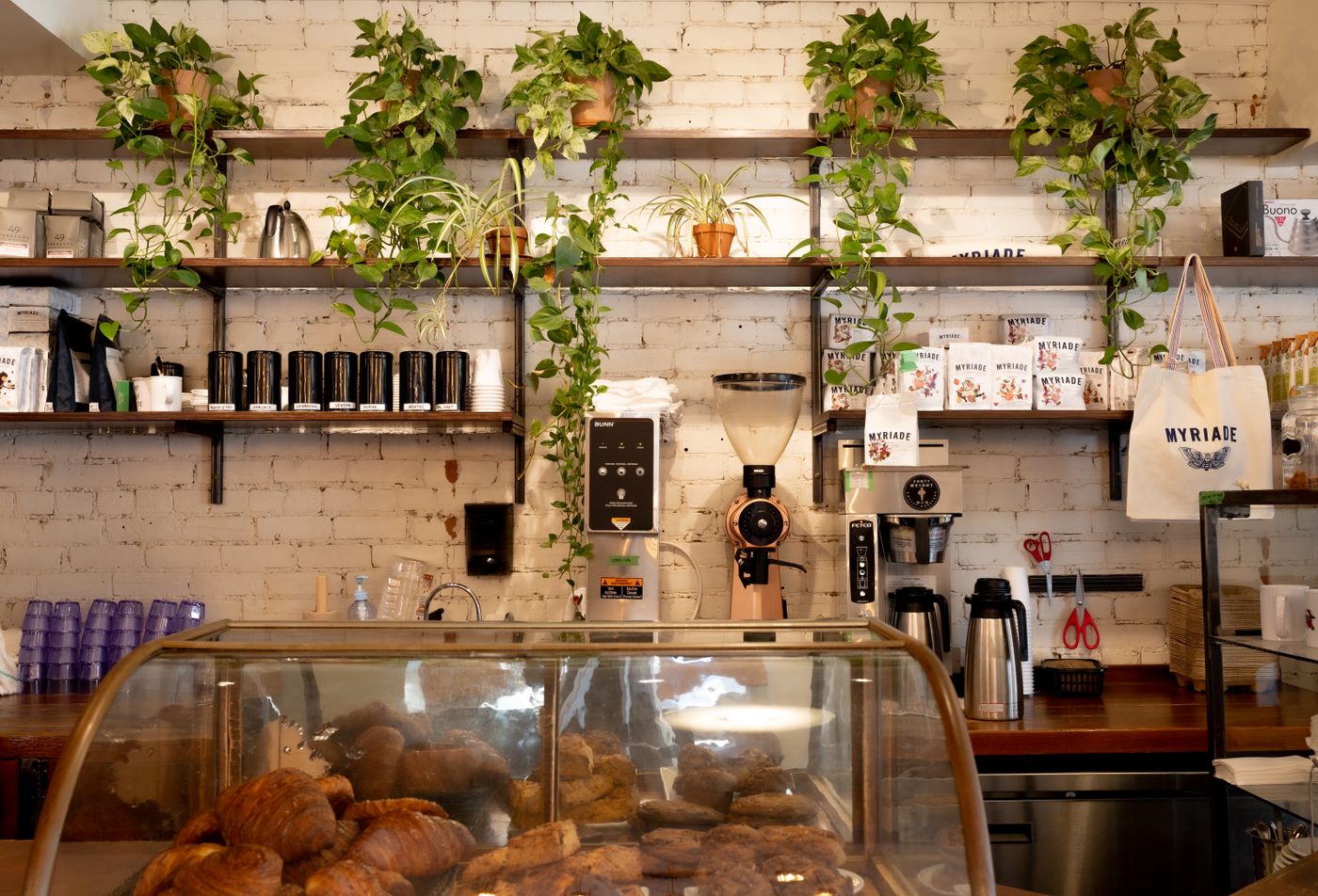 A full-day Calgary food crawl through Inglewood and the Beltline, from morning coffee to a late dinnerA First-Timer's Day in Calgary: Living History, Riverside Walks, and a Taste of the City
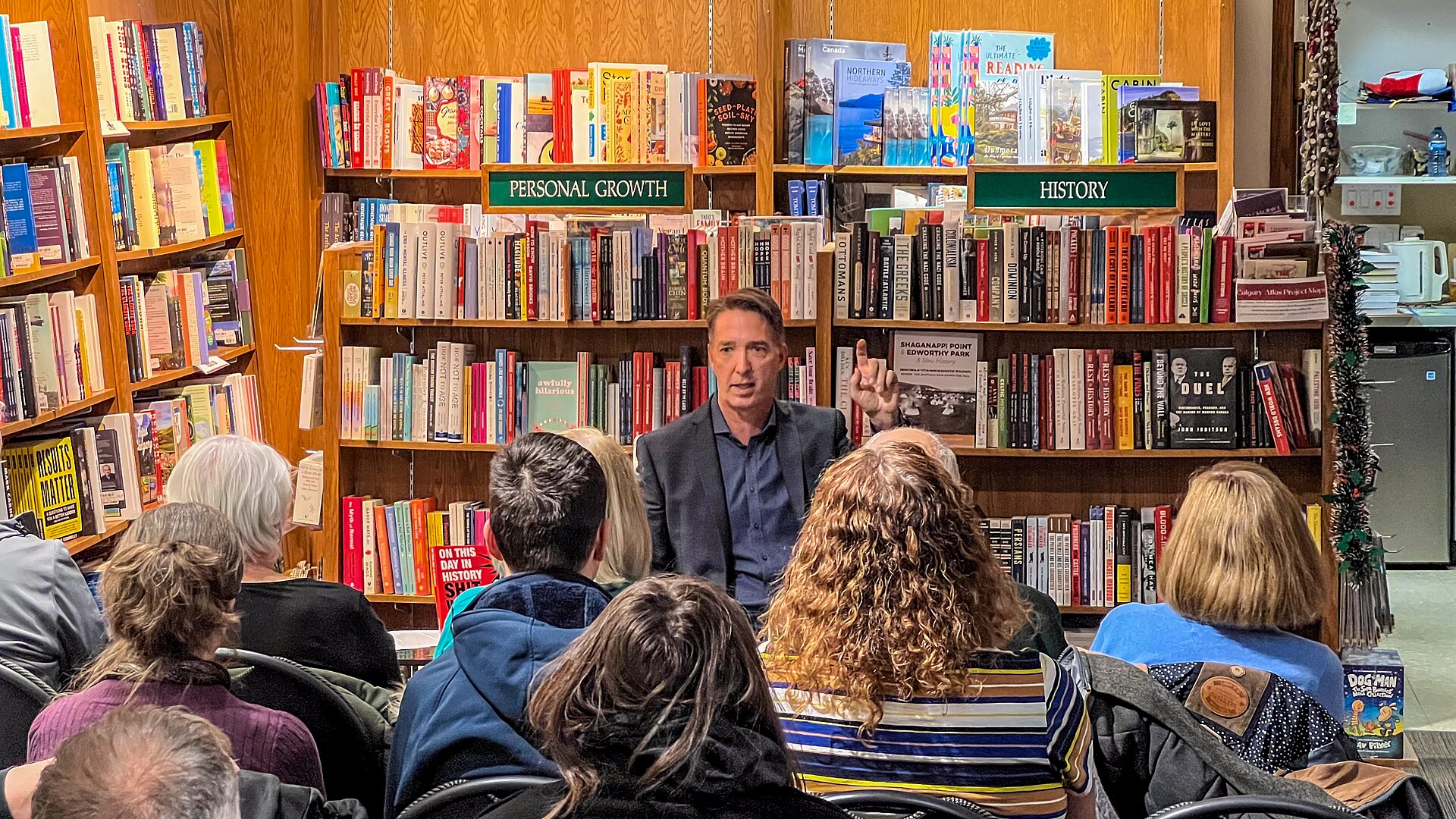 A Calgary food day: Kensington breakfast, Inglewood lunch, Beltline dinner
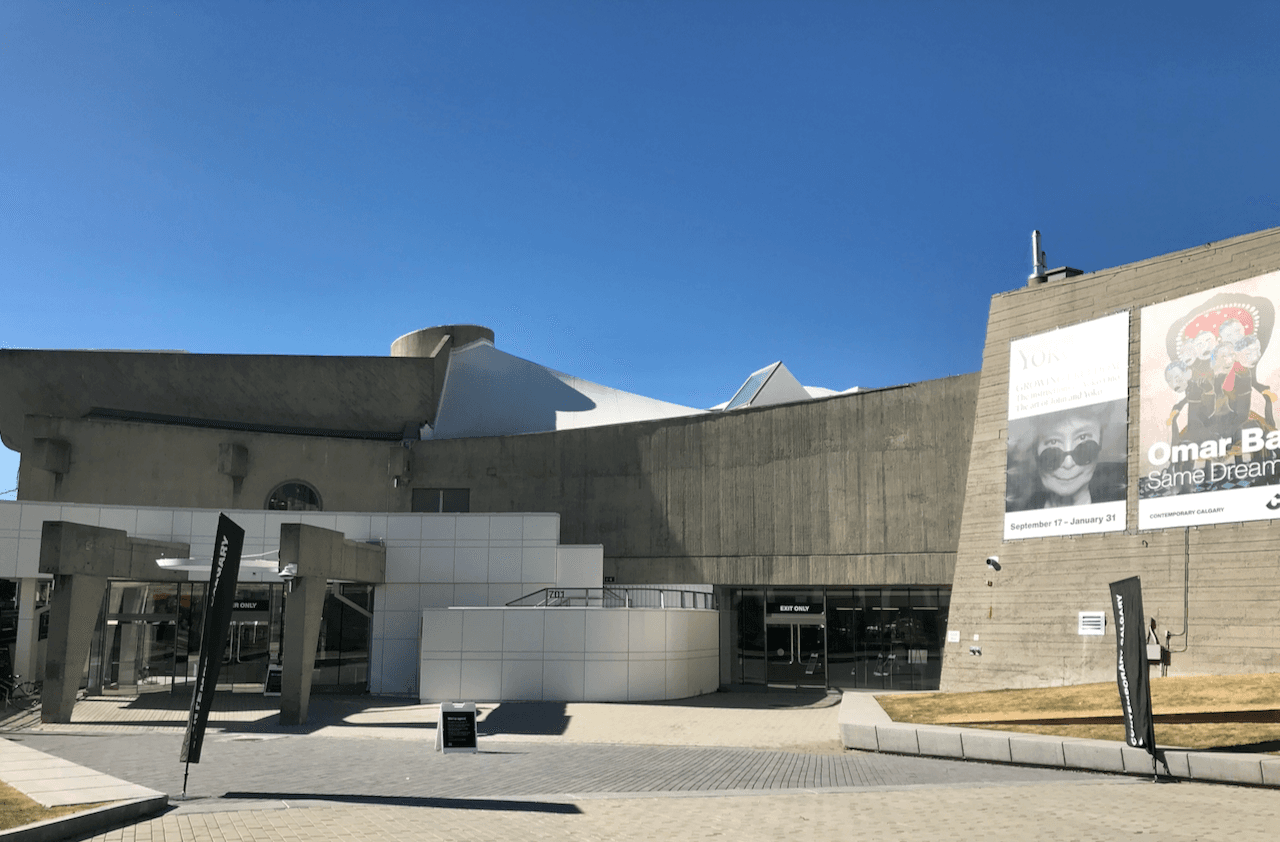 A first-timer's day in Calgary: Stampede spirit, downtown art, the Taste festival, an audio walk through history, the Tower, and a sunset park
 makes a personal plan in one tap. Tune it by mood, diet, time, budget, squad — and drop in your own places. Works in 65,000+ cities. It learns what you like, so every next plan fits better. Stop Searching. Start going.
Sources give mixed signals about this spot — we recommend confirming before visiting.
Tap outside to close
Tap outside to close
 squad
squad like
like