
📍 8 stops · ⏱ ~7.5 h

A full day threading through the creative pulse of Alameda de Hércules and its adjoining streets, this plan is for anyone who wants to see Seville's independent side — morning coffee in a gallery, lunch in a repurposed abacería, and an evening that builds from craft beer and local art to a late-night flamenco show under the giant wooden canopy of Las Setas.
Want your own personalized plan for free?
The is a long, column-lined promenade that has been Seville's counter-cultural heart since the early 2000s. By day it's quiet, with neighbours walking dogs and students nursing coffees on the terraces; by night the bars lining both sides fill with a young, creative crowd. The two Roman columns at the southern end — topped with statues of Hercules and Julius Caesar — are the oldest public monument in the city, but the real draw is the low-key, unpolished energy of the place.
The is the social anchor of this neighbourhood — a broad, tree-lined esplanade where Seville's alternative scene gathers. The southern end is marked by two Roman columns from the 2nd century, topped with statues of and , while the northern end fades into a quieter residential stretch. Morning is the best time to see it calm, before the evening crowds transform it into the city's busiest outdoor bar strip.
Things to do nearby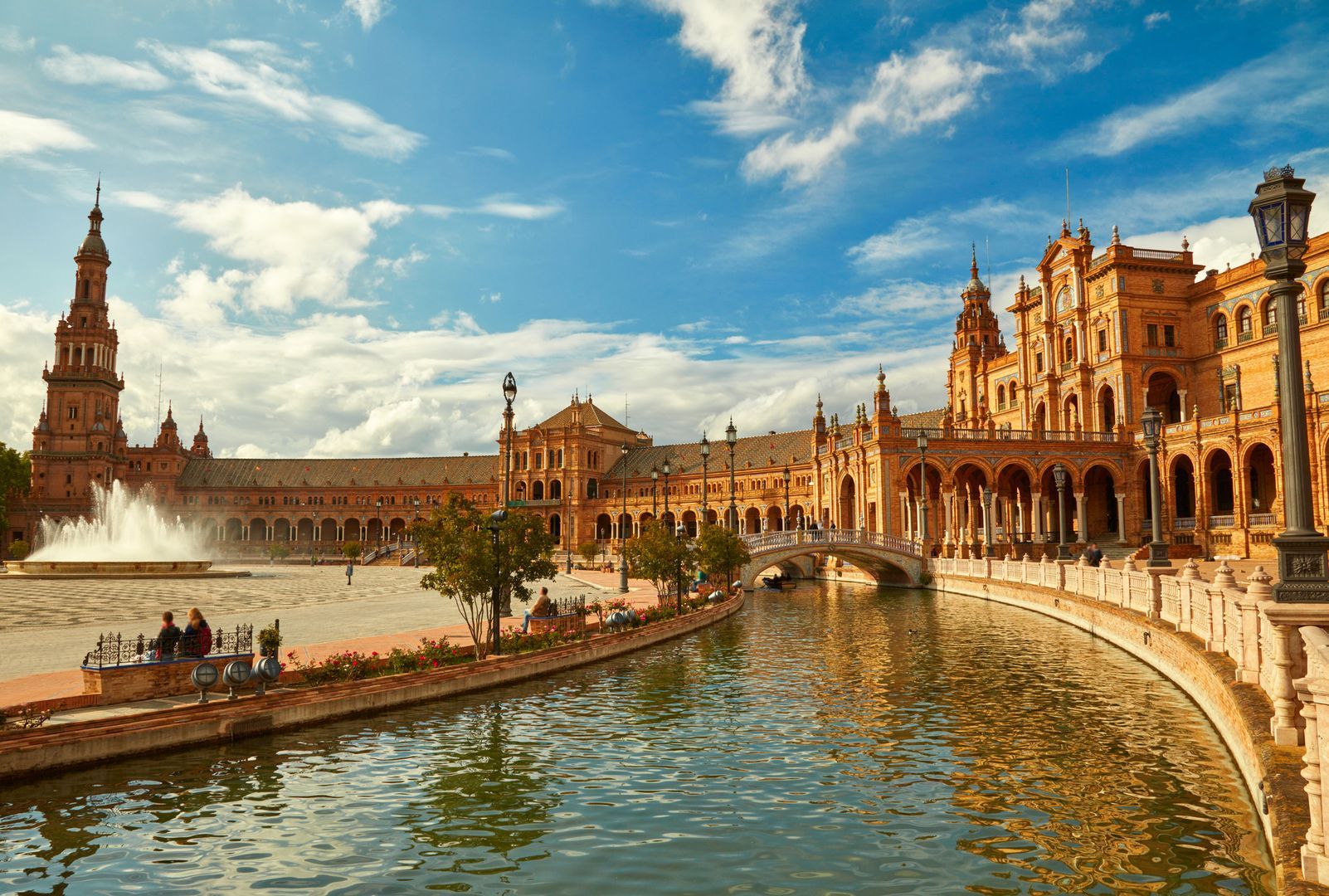 Sevilla: Cathedral, Giralda & Alcazar Audio Tour
WeGoTrip
from €9
Sevilla: Cathedral, Giralda & Alcazar Audio Tour
WeGoTrip
from €9
Opened in the summer of 2025 in the Macarena district, Galería is part coffee bar, part exhibition space — the walls rotate work by local artists, and the coffee comes from Ineffable, a well-regarded Seville roaster. The pastries are supplied by Pan y Più, a small-batch bakery, so the quality is a step above the average café. It's quiet in the morning, with natural light falling across the concrete floor, and the crowd is a mix of remote workers and neighbours who treat it as an extension of their living room.
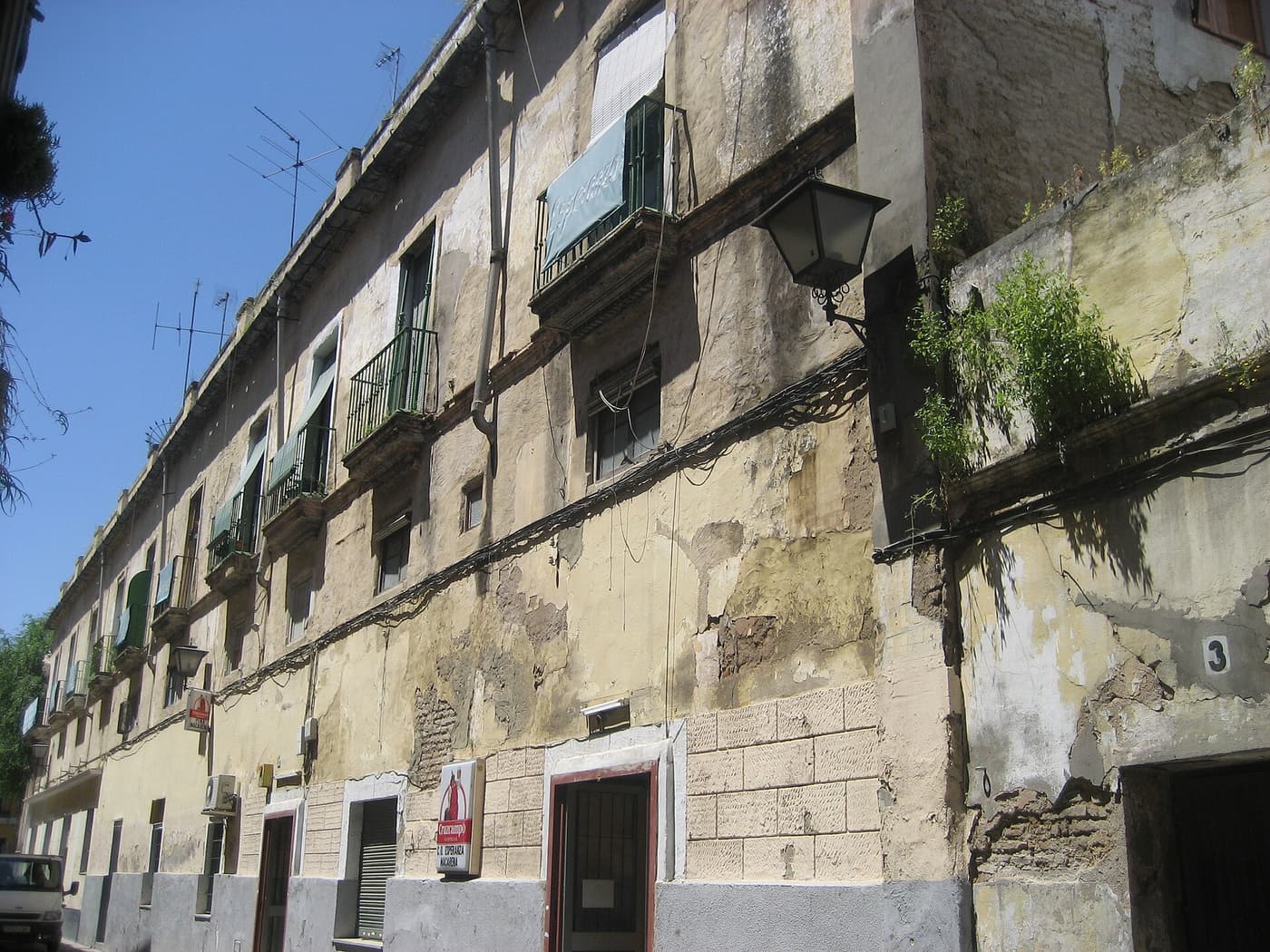
Galería · TicketsGetYourGuideCalle San Luis runs north from the Alameda into the Macarena neighbourhood, and it's one of those streets that still feels like old Seville — small hardware shops, a frutería, a couple of ungentrified bars. The architecture is a patchwork: a Mudéjar church tower here, a 1970s apartment block there, and the occasional tilework facade that hasn't been touched in decades. Walking it is a reminder that the city's creative energy often sits right next to its most ordinary corners.
Gloria opened in 2025 inside an old abacería — a traditional grocery-and-wine shop — and the original tiled interior has been kept largely intact. It calls itself a gastronomic speakeasy, which in practice means a short, seasonal menu of dishes with a modern edge, a serious cocktail list, and music that leans towards vinyl soul and jazz. The space is small, with low lighting and a bar that takes up most of the room, so it feels more like a hidden drinking den than a conventional restaurant. Lunch here is unhurried and best approached as a long, leisurely pause.
Zoco is a multipurpose space that opened in 2025, housing a small gastronomic market with Lebanese food from Dekené, an oriental wine bar called Bebo, and a cafeteria named Kilo. The concept is casual — you can drift between the different counters, grab a glass of wine or a plate of mezze, and sit at the communal tables that fill the central courtyard. It's a good post-lunch stop: not a full meal, but a place to linger over a drink and watch the afternoon crowd start to trickle in.
The streets radiating off the Alameda — Calle Trajano, Calle Amor de Dios, Calle Jesús del Gran Poder — are where the neighbourhood's independent businesses cluster. Vintage clothing shops, tiny craft-beer bars, artist studios in converted ground-floor apartments: the density is high, and it rewards aimless wandering. The buildings here are mostly 19th-century residential blocks, their balconies strung with laundry and their ground floors carved into commercial spaces that change hands every few years. The turnover keeps the area feeling fresh.
La Jeronima is a small bar just off the Alameda that doubles as a feminist bookshop and an informal art space — the walls are covered in rotating exhibitions, the shelves stock zines and independent publications, and the taps pour from small Spanish breweries. The crowd is a cross-section of the neighbourhood's creative scene: artists, writers, activists, and people who just want a well-poured beer in a room that feels like someone's living room. It opens in the early afternoon and stays lively until late.
Un Gato en Bicicleta is a café, bookstore, and art gallery rolled into one, with a small ceramics workshop in the back. The shelves are stocked with independent publications, illustrated prints, and locally made pottery, and the space regularly hosts book launches and poetry readings. The coffee is good, but the real reason to come is the atmosphere — it's the kind of place where you can browse for half an hour, buy a small print, and feel like you've stumbled into a corner of the city that operates on its own rhythm.
Gallo Rojo is a creative space housed in a former industrial unit — high ceilings, natural light, and a small stage that hosts live music, spoken word, and experimental performances. During the day it functions as a coworking space and art studio, with local artists working at scattered desks, and there's a bar serving craft beer and simple snacks. The programme changes weekly, so what you find depends on the day, but the vibe is consistently low-key and community-driven — the kind of place where the person behind the bar is probably also the organiser of the next event.
Plaza de la Encarnación is dominated by the , known locally as — the largest wooden structure in the world, designed by German architect and completed in 2011. Its construction was hugely controversial: the project ran years over schedule and millions over budget, and during excavation workers uncovered Roman ruins that now sit in the Antiquarium museum beneath the structure. Today the debate has mostly settled, and the undulating canopy has become one of the city's most recognisable silhouettes, especially at dusk when the lights come on and the rooftop walkway fills with people taking in the panorama.
Tablao Flamenco sits directly beneath the , in a vaulted space that feels intimate despite its central location. The venue runs nightly flamenco performances — a rotating cast of dancers, singers, and guitarists drawn from Seville's deep pool of flamenco talent. The show is traditional in form but the setting is modern, with the wooden ribs of Las Setas visible through the windows, and the bar serves cocktails that lean on ingredients like sherry and orange blossom. It's a late-night affair; the energy in the room builds as the evening progresses. A late-night flamenco show paired with cocktails, held in the atmospheric underground space of Tablao Flamenco Las Setas. The performance features a full cuadro — dancer, singer, and guitarist — and the cocktail menu is designed around the flavours of southern Spain. Tickets are required and should be booked in advance; the venue is intimate and shows often sell out.
Tablao Flamenco Las Setas · Book onlineGetYourGuideThe Tablao is tucked under the northern end of — the entrance is on the plaza level, not from the rooftop. Arrive early to grab a drink at the bar before the show; the cocktails are well-made and the room fills quickly. After the performance, the surrounding streets of Barrio Alfalfa stay lively late, with small bars and taverns open past midnight.
The walk from the Alameda to cuts through a warren of narrow streets where the phone signal can drop in and out. Having a little data quietly on hand means you can keep the route on screen without hunting for a café's Wi‑Fi — useful when you're trying to find the side entrance to the or checking what time the bars in stay open.
Get an eSIMAiraloThe is small and the late show on weekends fills up days in advance. Book online to secure a seat, and aim for a table near the front — the footwork is best appreciated up close.
If you're carrying a daypack or a small bag from earlier stops, there are storage points around the centre where you can leave it for a few hours. Walking the Alameda-to-Setas stretch hands-free makes the narrow pavement and the evening crowd feel a lot lighter — and you'll want both hands free for a cocktail at the bar before the show.
Store your bagsRadical Storage
 makes a personal plan in one tap. Tune it by mood, diet, time, budget, squad — and drop in your own places. Works in 65,000+ cities. It learns what you like, so every next plan fits better. Stop Searching. Start going.
Sources give mixed signals about this spot — we recommend confirming before visiting.
Tap outside to close
Tap outside to close
 squad
squad like
like