
📍 8 stops · ⏱ ~8.5 h
This day strings together the capital's greenest lungs, quiet waterfront stretches and a grand palace garden — all outside, all walkable, with a karak chai pause in between. We start in a park that feels like a botanical estate, cross into a family-shaded woodland, dip down to a tucked-away garden near the water, then follow the Corniche all the way to the Emirates Palace marina and finish among the colonnaded gardens of Qasr Al Watan.
Want your own personalized plan for free?
Before the gates open fully to the midday heat, the park feels like a private estate. Wide lawns slope toward a central pavilion, and the Shade House — a latticed structure filled with rare plants — draws a quiet trickle of early visitors. The children's garden, Wisdom Garden and animal barn sit tucked behind hedges, so the first impression is simply space and greenery. It is one of the city's oldest public parks, renovated with a clean, contemporary hand, and on a Saturday morning the pace is slow — families drifting in, joggers doing loops, the odd group unrolling a mat under a ghaf tree.
Opened in 1982 and thoroughly reimagined a few years ago, spreads across roughly 14 hectares in the Mushrif area. The design mixes formal Islamic garden geometry with looser, almost botanical-garden planting — date palms, frangipani, bougainvillea and a long central lawn that leads the eye to a white-domed pavilion. The Shade House is the real draw: a climate-controlled glasshouse with a collection of exotic and carnivorous plants, plus a small butterfly enclosure. Early in the day the light is soft and the air still carries a hint of the previous night's coolness, so walking the perimeter path or sitting on a bench near the amphitheatre is the right pace. The park also holds a small animal barn with camels and goats, a Wisdom Garden with quotes from Sheikh Zayed, and a children's garden with a maze — but the best part is simply the quiet, which is rare in a city this busy.
Things to do nearby Abu Dhabi: Qasr Al Hosn Audio Tour
WeGoTrip
from €10
Abu Dhabi: Qasr Al Hosn Audio Tour
WeGoTrip
from €10
The main entrance on Airport Road puts you straight into the central lawn axis, but the quieter eastern gate off Al Khaleej Al Arabi Street drops you right by the Shade House — walk through the glasshouse first, then loop the gardens. On Saturday mornings the park fills slowly; arrive at opening to have the animal barn and Wisdom Garden almost to yourself.
Al Mushrif is one of the few parts of Abu Dhabi where the tree canopy actually closes overhead. The district grew up around the park, with wide villa plots and mature ghaf and neem trees lining the streets. Driving in, the temperature drops a degree or two — the dense planting does its job. The park itself is less manicured than , more a woodland with walking trails, barbecue pits and a small train that loops through the trees. On a Saturday, local families stake out picnic spots early, and the smell of charcoal drifts through the groves by late morning.
Al Mushrif Park is a sprawling woodland of ghaf, neem and eucalyptus trees planted decades ago, now grown into a genuine canopy. Walking trails wind through the shade past small playgrounds, a miniature train station and scattered barbecue areas. The park feels less designed than discovered — paths fork around old trees, and the birdlife is surprisingly loud. There is a small zoo-like animal area with native species, a camel-riding enclosure, and a swimming pool complex, but the best way to spend an hour here is simply walking the shaded loops with a water bottle, stopping at a bench when the dappled light is too good to pass up. Midday heat is muted under the trees, and the park rarely feels crowded even on a weekend.
Most visitors cluster near the main entrance and the train station. Head to the far eastern edge of the park, where the trail runs along the perimeter fence — the tree cover is thickest there and you will likely have the path to yourself. The miniature train runs on weekends and is worth a ride if you want a breezy loop without walking.
Al Khalidiyah is one of the city's older residential quarters, a mix of low-rise apartment buildings, small groceries, tailors and barbershops that predates the glass-tower boom. The streets are narrower here, and the neighbourhood has a lived-in, slightly frayed charm — laundry flapping on balconies, corner cafeterias where men sit with tiny cups of karak chai, the smell of grilled meat from a shawarma stand. Al Khalidiyah Garden sits at its heart, a compact public garden with a central fountain and benches under mature trees, popular with local families in the late afternoon.
Al Khalidiyah Garden is a small, oval-shaped public park wedged between the neighbourhood's residential blocks and the busy Corniche Road. A central fountain anchors the space, surrounded by benches and flowering shrubs, with a children's playground tucked at one end. It is not a destination park — it is a neighbourhood spot, where local residents walk their dogs, nannies push strollers, and groups of friends sit on the grass in the late afternoon. The garden's real value is as a pause point: a shady bench, a view of ordinary Abu Dhabi life, and a chance to let the day's walking settle before the next stretch.
The streets around Al Khalidiyah Garden are dotted with small, unfussy cafeterias — the kind with plastic chairs on the pavement and a steady trade in karak chai, the sweet, milky, cardamom-spiced tea that is the city's unofficial fuel. Pick one with a few regulars outside, order a cup for a few dirhams, and watch the neighbourhood go about its late-afternoon rhythm. These places are not about décor; they are about the tea, which arrives hot and strong in a paper cup, and the brief, pleasant ritual of standing or sitting with it before moving on.
Heritage Village is an open-air reconstruction of a traditional desert settlement, run by the Emirates Heritage Club, perched on a small peninsula near the Marina Mall. Goats-hair tents, a falaj irrigation channel, a campfire with coffee pots and a small souk with local crafts give a tactile sense of pre-oil life. It is compact — you can walk the whole site in half an hour — but the setting, with the city skyline rising across the water, makes the contrast vivid. Late afternoon is the best time: the light turns golden, the heat eases, and the small beach beside the village catches the last strong sun.
Heritage Village · Book onlineGetYourGuideThe Corniche stretches for about eight kilometres along the northwestern edge of Abu Dhabi island, a broad promenade of pedestrian paths, cycle lanes, manicured gardens and public beaches. In the late afternoon it fills with a cross-section of the city: runners, families with picnic blankets, groups of friends walking slowly, and the occasional cyclist weaving through. The beach is divided into sections — some free, some with a small entry fee — and the water is calm and shallow. The walkway itself is the real attraction: a flat, open stretch with the sea on one side and the evolving skyline on the other, catching the breeze as the day cools.
The Corniche Beach is a long, crescent-shaped sweep of white sand with designated swimming areas, lifeguard stations and a backdrop of lawns and palm trees. The walkway above it is the city's most democratic public space — flat, well-lit, and busy with a gentle, unhurried energy. Walking west toward the , the towers of the central business district recede and the shoreline becomes greener, with landscaped gardens and the domes of the palace gradually coming into view. Stop at one of the benches facing the water and watch the light change — the sunset here is not dramatic, but it is long and soft, the sky shifting through pale orange and lavender over Lulu Island.
As the Corniche promenade curves around the headland, the public beach ends and a quieter, landscaped marina walk begins — this is the stretch. Fewer people walk this far, so the last section before the palace feels almost private. The marina is filled with white yachts, and the palace gardens begin on the inland side. If you need a quick pause, the marina has a small coffee kiosk with outdoor seating right at the water's edge.
The occupies its own headland, a sprawling hotel complex built in a style that blends Arabian palace architecture with a grand, almost ceremonial scale. The marina side is the quieter approach — a row of white yachts, a palm-lined walkway, and the sound of water lapping against the stone quay. As the evening sets in, the palace lights come on, reflecting off the marina basin, and the gardens behind the hotel begin to glow. The beach here is private, but the marina walk is open to visitors, and the view back toward the city skyline across the darkening water is one of the best evening sights on the island.
The marina walk at is a short, elegant stretch of waterfront that few visitors explore unless they are staying at the hotel. The path runs between the palace's eastern wing and the marina basin, with benches facing the water and the city skyline. At dusk the view is striking: the towers of and the Corniche light up across the dark water, while the palace itself glows warm gold behind you. It is a brief stop, but the contrast between the quiet marina and the grand palace architecture makes it a memorable one.
is the presidential palace, opened to the public in 2019, and its gardens are as impressive as the building itself. Formal parterres, reflecting pools and geometric planting beds stretch across the grounds, lit softly in the evening. The palace's white stone and intricate geometric detailing glow under floodlights, and the gardens feel serene and expansive. Walking the paths after dark, with the palace domes and arches framed against the night sky, is a calm, almost cinematic end to a day spent outdoors. The gardens stay open into the evening, and the cooler air makes the walk feel effortless.
Qasr Al Watan Palace Gardens · TicketsTiqetsThe palace runs a sound-and-light show called 'Palace in Motion' most evenings, projected onto the main façade. It starts after sunset and is visible from the gardens — if your timing aligns, find a spot on the central lawn for the best view. The gardens themselves are free to walk; palace entry requires a ticket.
Walking from the marina to the palace gardens, the path winds behind the service roads — it is easy to miss the garden entrance. A little data lets you pull up the exact walking route and confirm the garden opening hours on the spot, so you do not end up at a closed gate after dark.
Get an eSIMAiralo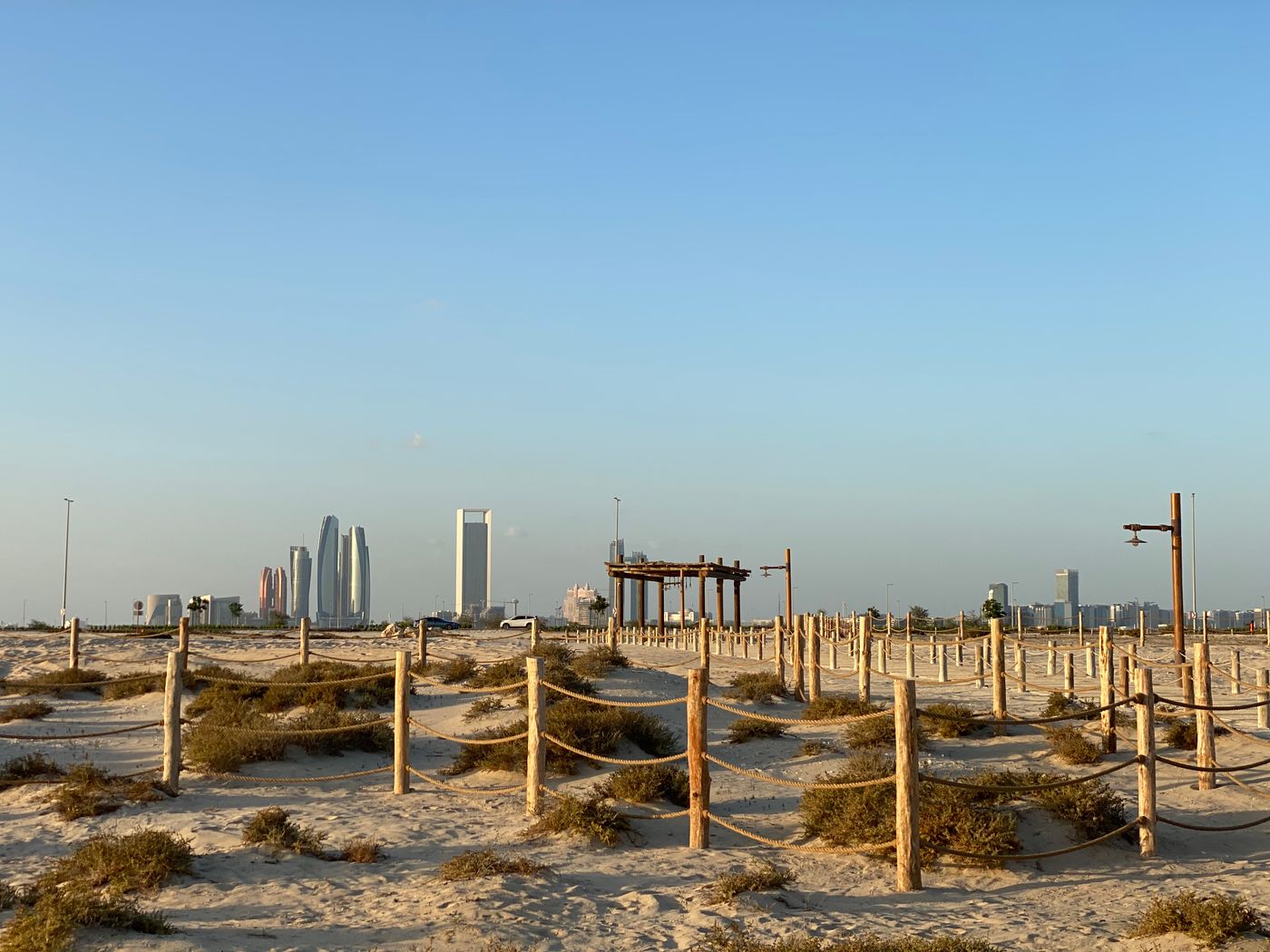 A family day on Saadiyat Island: art, beaches, and an aquarium
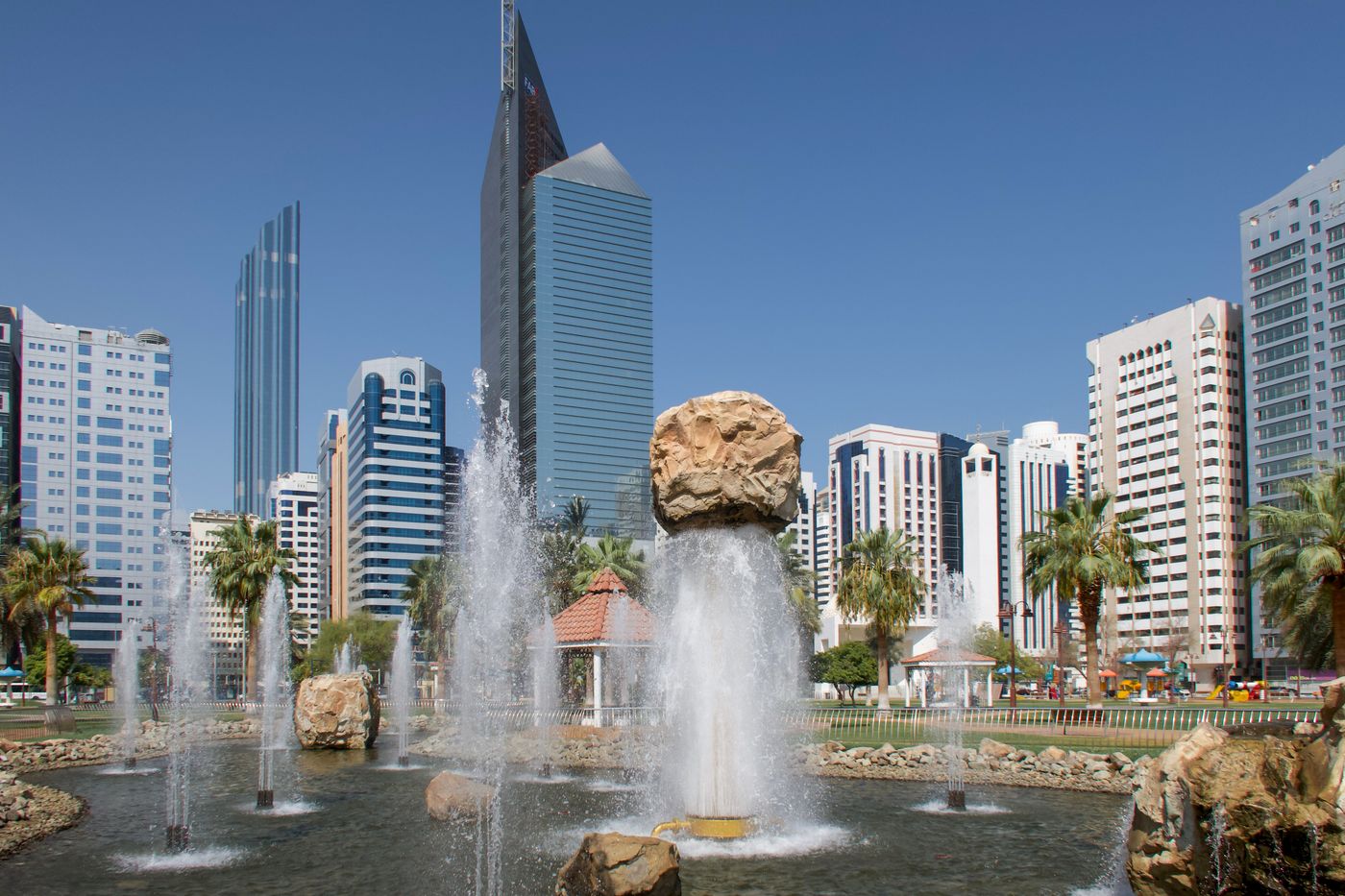 TeamLab Phenomena, Al Bateen parks and beach, and a seafood dinner by the waterFrom Umm Al Emarat's gardens through Al Mushrif's quiet lanes to a Saadiyat sunset on the sand
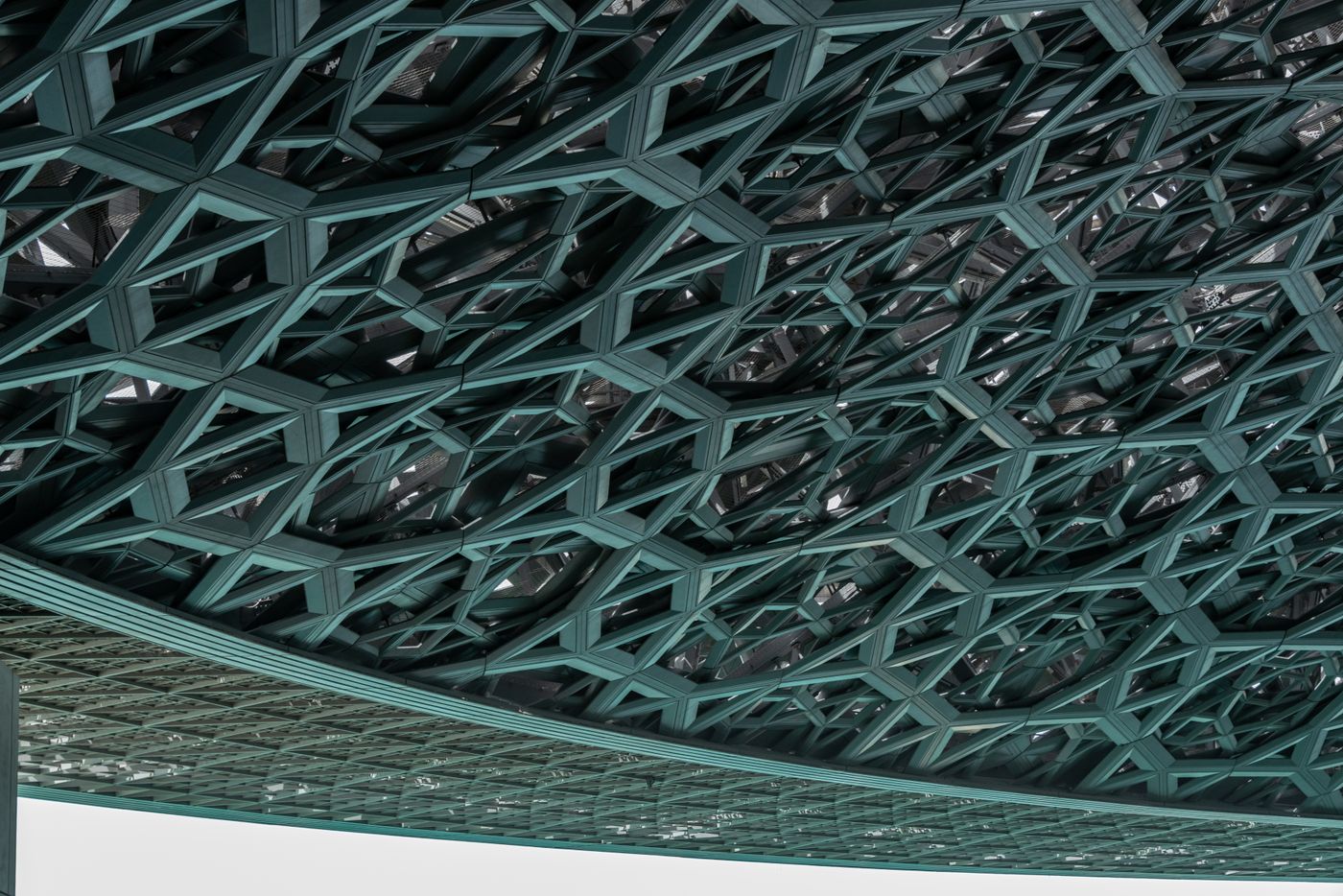 Al Bateen by fork — marina breakfast, waterfront lunch, and a secret café dinner
 makes a personal plan in one tap. Tune it by mood, diet, time, budget, squad — and drop in your own places. Works in 65,000+ cities. It learns what you like, so every next plan fits better. Stop Searching. Start going.
Sources give mixed signals about this spot — we recommend confirming before visiting.
Tap outside to close
Tap outside to close
 squad
squad like
like