
📍 8 stops · ⏱ ~8 h

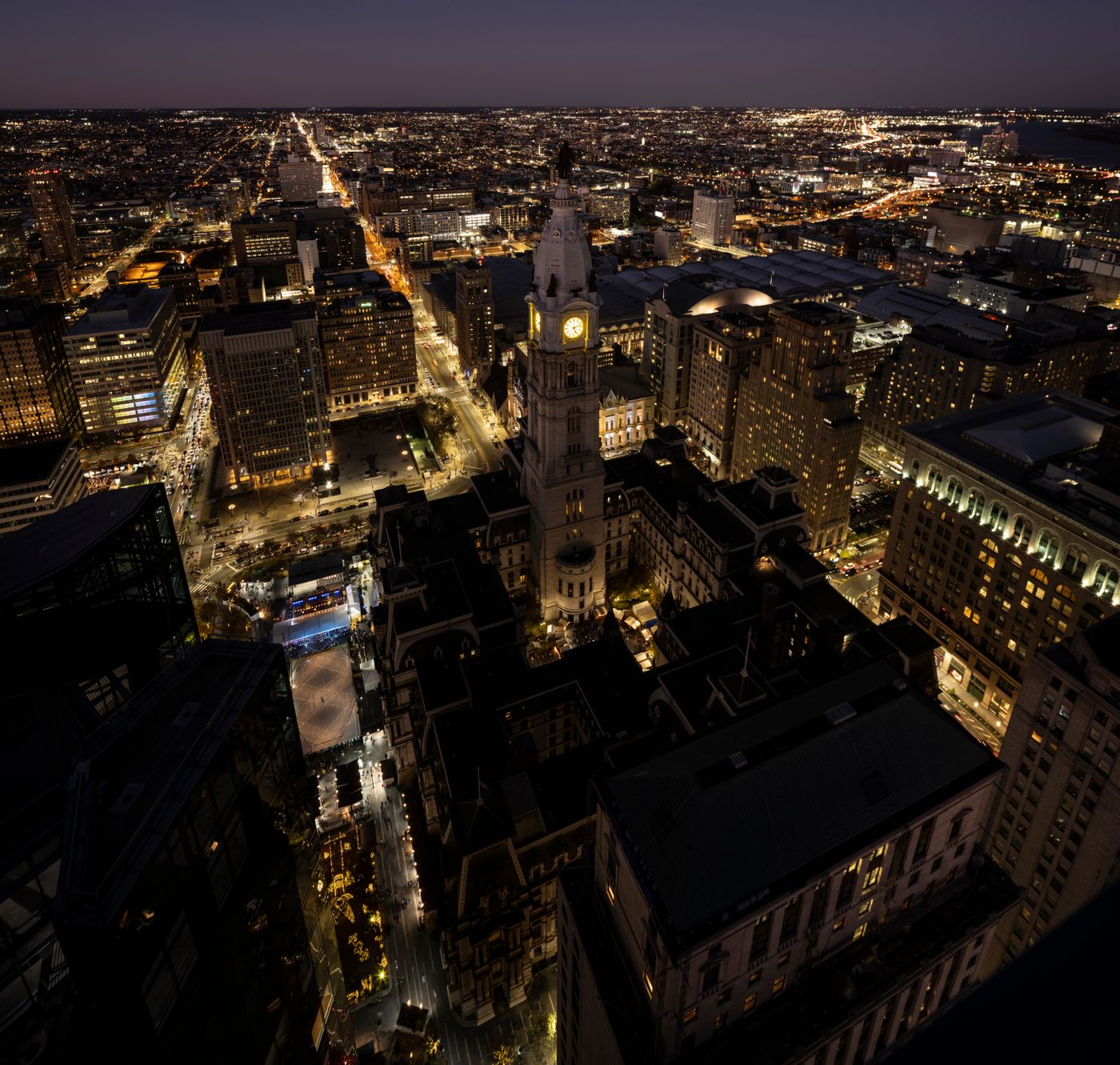
A relaxed full-day walk through South Philly on a World Cup Saturday, starting with the electric morning crowd at the FIFA Fan Festival on Lemon Hill, then winding down through the neighborhood's best barbacoa, a quiet beer bar, a classic corner tavern, and the vivid murals of East Passyunk, before ending the afternoon with a skyline view from a rooftop bar on the old Bok Technical School.
Want your own personalized plan for free?
sits just above the , a sloping green rise in with a view back toward the Center City towers. On a World Cup morning the lawns fill early with supporters in national colors, the big screens glowing against the trees, and the sound of vuvuzelas drifting across the grass. The whole scene feels like a neighborhood block party that happens to have a global broadcast at its center.
The official World Cup fan zone in Philadelphia, set on the lawns of in . Giant screens show the day's matches live, surrounded by food stalls, sponsor activations, and a crowd that mixes die-hard soccer fans with families and locals who just came for the atmosphere. The morning is the sweet spot: the energy is high but it is not yet packed, and the view of the and the skyline from the hill is at its clearest.
Things to do nearby Historic Philadelphia Self-Guided Walking Audio Tour Tiqets from €13The main screen faces the slope, so grab a spot on the upper grass near the tree line — you get a clear sightline and a natural backrest against the old oaks. The food stalls near the entrance have the longest queues; walk further along the path toward the river side and the lines are shorter.
9th Street south of Washington is the old corridor, a narrow, awnings-over-the-sidewalk strip where produce crates sit on the curb and the smell of roasting peppers hangs in the air. These days the street is a patchwork: old Italian butcher shops next to Mexican taquerias, Vietnamese grocers beside generations-old cheese counters. It is one of the most honest, unpolished food blocks in the city.
A tiny, weekend-only counter on 9th Street run by Cristina Martínez, who started selling barbacoa from her apartment and built a loyal following that now stretches far beyond the neighborhood. The lamb barbacoa is the thing: slow-cooked, deeply smoky, served on handmade corn tortillas with a salsa that has a real kick. The line forms early and the place often sells out by early afternoon, so arriving before 1 p.m. is the move. The room itself is small and unadorned — the focus is entirely on the plate.
The menu is short, and the move is the lamb barbacoa tacos with consommé on the side for dipping. They do not take reservations and the line can be 45 minutes deep on weekends; the best window is right when they open at 11 a.m., but a 1 p.m. arrival still works if you are patient.
South Philly Barbacoa is weekend-only and often sells out by 2 p.m. Arrive before 1 p.m. to be safe, and bring cash — they do not always take cards.
A small, dimly-lit beer bar on East Passyunk Avenue with a carefully curated tap list and a vinyl record collection behind the bar that sets the mood. The burger here is a sleeper hit — a simple, no-frills smash burger that regulars treat as the real reason to come. The room is narrow, the crowd is neighborhood locals, and the whole place has the feel of a well-kept secret that everyone on the block already knows about.
A South Philly institution on the corner of Moore and Passyunk, Stogie Joe's is a red-sauce Italian tavern with checkered tablecloths, a long wooden bar, and a wood-fired pizza oven that anchors the menu. The pizza is the draw — thin, charred, and served whole on a metal tray — but the crab gravy (a slow-simmered tomato sauce with crab meat, served over pasta) is the dish locals order when they want to sit down and stay a while. The room hums with conversation and the clatter of plates; it feels like a family dining room that happens to serve the public.
South of the , Passyunk Avenue turns into a walking gallery. The is a curated stretch of large-scale public art painted directly onto the brick walls of rowhouses and storefronts. The mural is one of the most talked-about — a towering, controversial portrait of the former mayor and police commissioner rendered in bold, almost heroic strokes. Whether you stop to admire the craft or to wrestle with the subject, the mural does what good public art should: it makes you pause and talk about it.
The runs along Passyunk Avenue from around Tasker Street down toward Snyder, part of the city's larger . The mural at the northern end is a massive portrait of the polarizing former mayor and police commissioner, painted in a photorealist style that commands attention. From there, the passeggiata continues south past smaller murals, neighborhood plaques, and the kind of unpolished, lived-in streetscape that makes East Passyunk feel like a village within the city. The walk itself is the point: a slow, meandering stretch where the art and the neighborhood blend into one experience.
East Passyunk's Italian heritage still shows up in the passeggiata — the evening stroll where neighbors walk the avenue, stop to chat, and window-shop. Late afternoon on a Saturday is when it starts to pick up; the stretch between the and the murals is where you will see the most foot traffic.
The is a steel arch spanning the avenue at , marking the entrance to the neighborhood with a clean, modern design. Just a block east, the sits at the intersection of Tasker and Passyunk, a small plaza with a circular fountain that plays music through hidden speakers — opera, Sinatra, Italian pop — and benches where neighbors sit and catch up. On a warm Saturday afternoon, the fountain is the living room of East Passyunk: kids splash at the edge, couples share a coffee, and the whole neighborhood seems to pass through at some point.
The gateway arch at and Passyunk is the formal entrance to the East Passyunk commercial corridor, a steel structure that frames the avenue and signals the shift from the Broad Street bustle to the neighborhood's slower, more intimate scale. Walk east from the arch and within a block you reach the , the social center of the district.
A small circular plaza where East Passyunk and Tasker intersect, centered on a fountain that plays music — a mix of opera, classic Italian songs, and old standards — through hidden speakers. The benches around the fountain are almost always occupied by neighbors, and the surrounding blocks are lined with independent shops, cafes, and restaurants. It is the kind of public space that feels genuinely used by the people who live here, not just designed for postcards.
Late afternoon on a Saturday is when the fountain is at its best — the morning errands are done, the evening dinner rush has not started, and the benches fill with locals catching up. Grab a coffee from a nearby café and sit for a few songs.
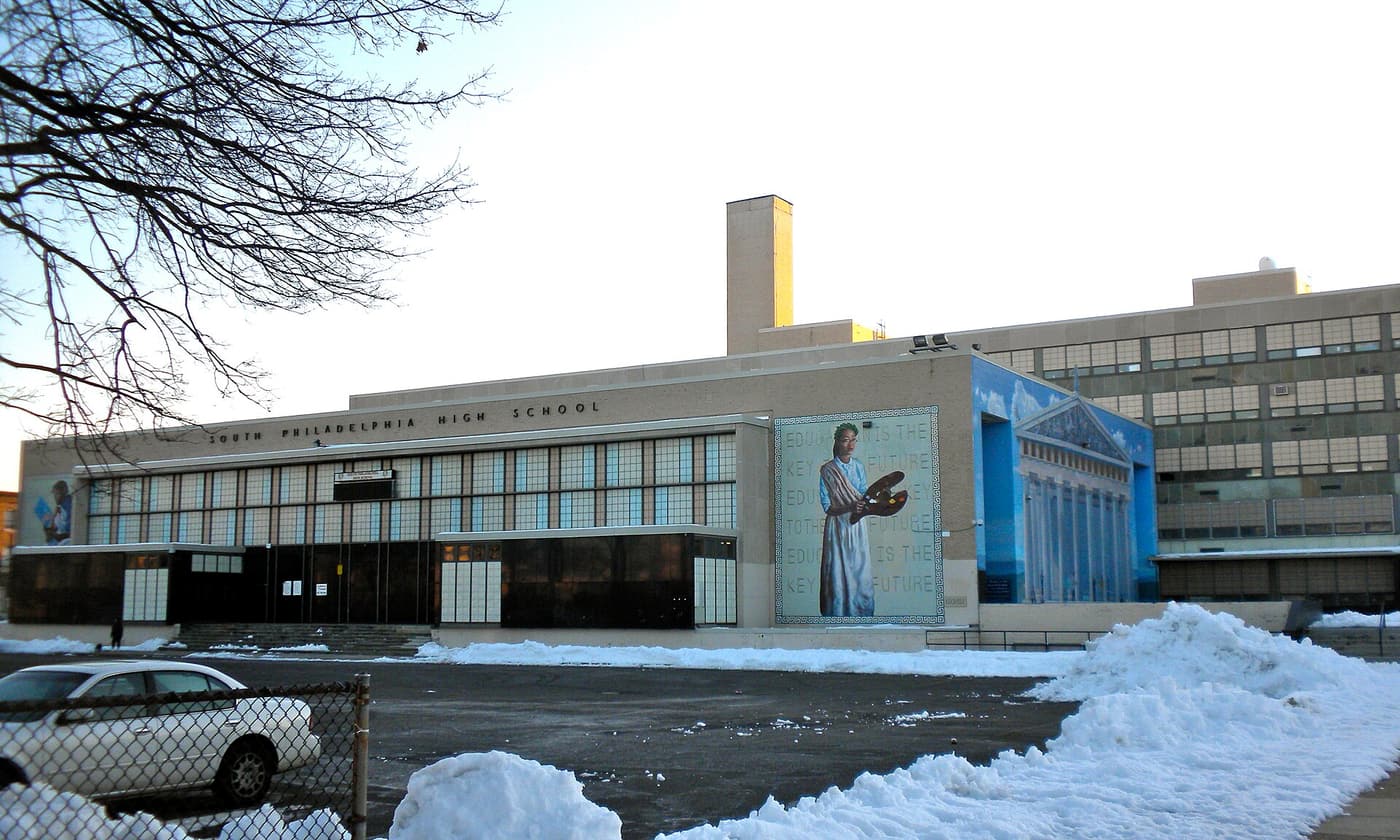
The opened in 1938, a grand Art Deco building with terrazzo floors, intricate tile work, and a commanding presence on Mifflin Street. After the school closed in 2013, the building was transformed into a vertical community of artists, makers, and small businesses. The rooftop, now , is the crown of the project: an open-air space with a 360-degree view that stretches from the Center City skyline to the Walt Whitman Bridge and the low rooftops of South Philly.
An open-air rooftop bar on the eighth floor of the , open seasonally from spring through fall. The bar serves cocktails, wine, and beer alongside a small food menu, but the real draw is the view: a sweeping panorama of the Philadelphia skyline, the Delaware River, and the dense grid of South Philly rowhouses below. The crowd is a mix of neighborhood regulars, studio tenants from the floors below, and people who made the climb specifically for the sunset. Arrive in the late afternoon to catch the golden hour light on the city.
is seasonal and weather-dependent — it opens in the spring and closes for the season in the fall. On a summer Saturday, arriving by 5:30 p.m. gives you time to find a spot before the sunset crowd fills the rooftop.
The walk from the to is short but the side streets can look similar — a quick map check on Mifflin keeps you on track without breaking stride, and lets you spot the building's distinctive clock tower from a block away.
Get an eSIMAiraloThe has an elevator, but the rooftop itself is standing-room only with no storage — if you are carrying a day bag, stashing it nearby before heading up means you can move freely on the roof and actually lean on the railing with a drink in hand.
Store your bagsRadical Storage
 makes a personal plan in one tap. Tune it by mood, diet, time, budget, squad — and drop in your own places. Works in 65,000+ cities. It learns what you like, so every next plan fits better. Stop Searching. Start going.
Sources give mixed signals about this spot — we recommend confirming before visiting.
Tap outside to close
Tap outside to close
 squad
squad like
like