
📍 7 stops · ⏱ ~5 h

We start the day in North Hobart, where Elizabeth Street's independent cafés and bakeries set the pace, then wander through the Farm Gate Market and the old sandstone lanes of Battery Point — a full Saturday built around the city's food scene, from morning pastry to afternoon market browsing.
Want your own personalized plan for free?
A newer venue in North Hobart that locals have adopted quickly — it hosts a monthly work-in-progress night for filmmakers and feels more like a creative hub than a standard café. The coffee is solid and the room has a relaxed, lived-in energy that makes it easy to linger. Grab a seat by the window and watch Elizabeth Street wake up.
The Simple Complex runs a monthly work-in-progress night where local filmmakers screen rough cuts and get feedback. Even on an ordinary Saturday morning you will spot a few regulars with laptops — the creative energy is part of the furniture here.
Elizabeth Street is the main artery of North Hobart, lined with small restaurants, cafés, and bars that have turned this suburb into the city's go-to food strip. The crowd skews young — share houses, communal living, people who know their baristas by name. On a Saturday morning the pavement fills with brunchers and the smell of fresh bread drifts from every second doorway.
North Hobart has its own distinct personality — less polished than the waterfront, more lived-in, with a genuine neighbourhood feel. The strip along Elizabeth Street is where the suburb's food culture lives, and it rewards a slow wander rather than a checklist.
An independent bookstore with a carefully curated selection and a quiet, unhurried atmosphere. The kind of place where you can browse for twenty minutes and leave with something you did not know you wanted. It is a favourite among Hobart's reading crowd and a good mid-morning pause before the next food stop.
The Tasmanian writers section is worth a few minutes — the store keeps a rotating selection of local fiction and non-fiction you will not find in bigger chains.
A small-batch bakery that takes sourdough seriously — the crust is dark and crackling, the crumb chewy and open. They also do excellent pastries, and the smell alone pulls you in from the street. Grab a croissant or a loaf to carry with you; the market is next and you will want your hands free.
The sourdough is the star, but the almond croissant runs it close — flaky, not too sweet, and usually still warm if you arrive before the lunch rush. Locals grab a loaf to take home and a pastry for the walk.
Hobart's Sunday farmers' market on Bathurst Street is where the city's food producers come to sell directly — seasonal fruit and vegetables, artisan cheese, small-batch preserves, fresh bread, and hot food stalls. It is smaller and more local-feeling than , with a focus on what is growing and being made right now in Tasmania. Walk the full length, sample as you go, and pick up something for later.
The market runs from early morning until mid-afternoon, but the best window is late morning to early afternoon — stalls are fully stocked and the crowd is lively without being shoulder-to-shoulder. By 2pm some of the popular bakers start to sell out.
Part of Hobart's alternative arts scene, is a venue that hosts live music, art events, and a bar that feels genuinely underground. By day it is a relaxed spot to grab a drink and take in the creative energy; by night it transforms into one of the city's most interesting music rooms. The walls are often covered with local art, and the crowd is a mix of artists, musicians, and people who just like good sound.
Altar · Book onlinealtarbar.com.auregularly rotates exhibitions by local artists — the work on display changes often and is usually for sale. Even if you are just stopping for a drink, take a lap around the room; there is almost always something striking hanging.
is a row of Georgian sandstone warehouses built in the 1830s, now housing galleries, cafés, and bars. The cobbled square between the buildings and the waterfront has been the city's gathering point for nearly two centuries. On a Saturday the fills the entire strip with stalls, but the architecture alone is worth a wander any day of the week — the warm stone, the wrought-iron balconies, and the glimpse of the Derwent between the buildings.
The sandstone warehouses of are among Hobart's most recognisable buildings — originally built for the whaling and shipping trade, now home to a lively strip of galleries, restaurants, and bars. On a Saturday the takes over the square, but the buildings themselves are the real draw: warm golden stone, heavy timber beams, and a sense of the city's maritime past that still hangs in the air. Walk the full length from the park end to the waterfront, then loop back through the lanes behind.
Salamanca Place · Book onlineGetYourGuideBattery Point is Hobart's oldest neighbourhood, a warren of narrow lanes and convict-era cottages perched on the hill above Salamanca. The architecture spans from the 1830s onward — Georgian, Victorian, and the occasional Art Deco surprise — and the whole area feels like a village tucked inside the city. Wander without a map: Arthur Circus is the postcard-perfect heart, a ring of tiny cottages around a village green, but the real pleasure is getting lost in the back streets and discovering hidden courtyards and harbour views between the houses.
Battery Point · Book onlineGetYourGuideBattery Point is all narrow lanes and sudden harbour views — having a little data on hand means you can pull up the map when you wander off the obvious route, check which café tucked behind Arthur Circus is still open, and drop a pin to whoever you are meeting later without backtracking to the main street.
Get an eSIMAiraloAs the afternoon light softens over the Derwent, Battery Point is the right place to slow down. Find a bench with a view of the water, or loop back down through the lanes toward Salamanca for a final drink. The whole day has moved through the city's food landscape — from a North Hobart café to a bakery, a market, and finally the old stone streets where Hobart's story began.
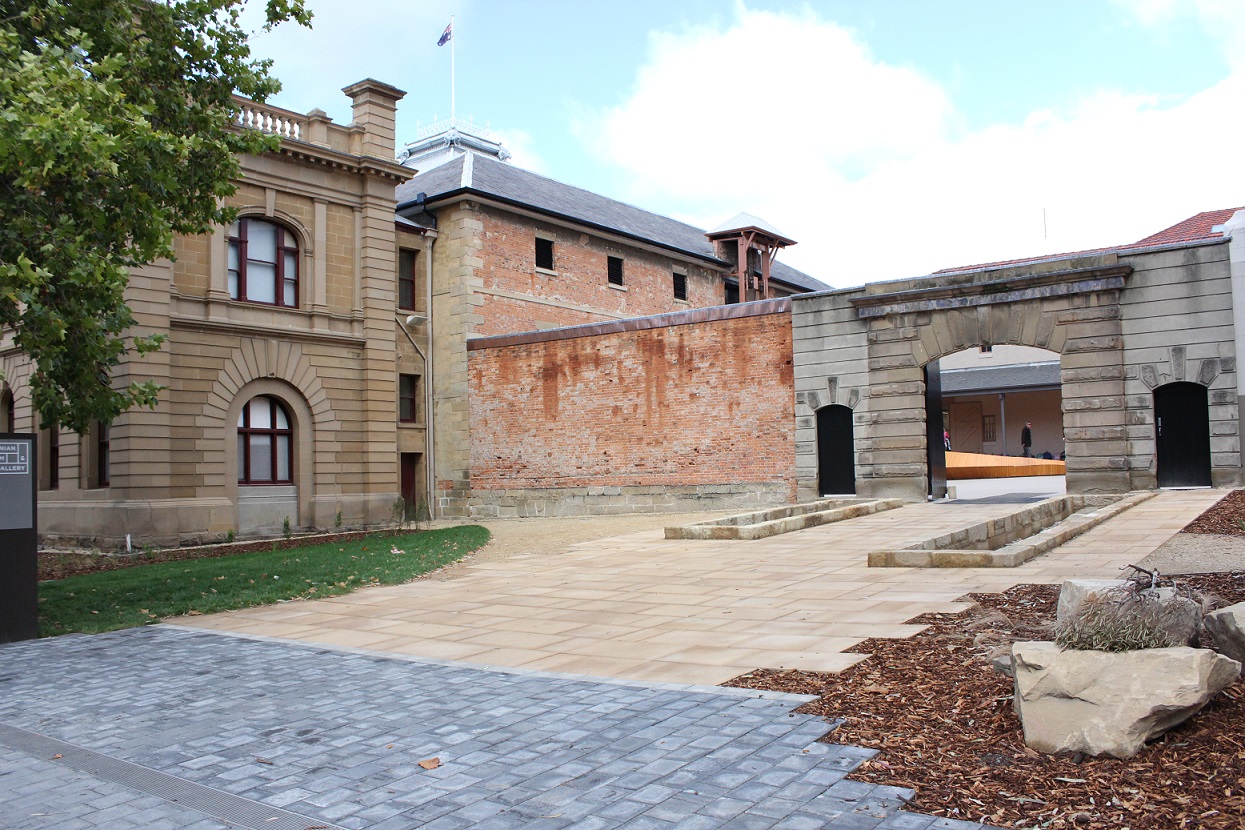 A rainy-day wander through Hobart's museum halls, heritage pubs, and Salamanca's sandstone lanes
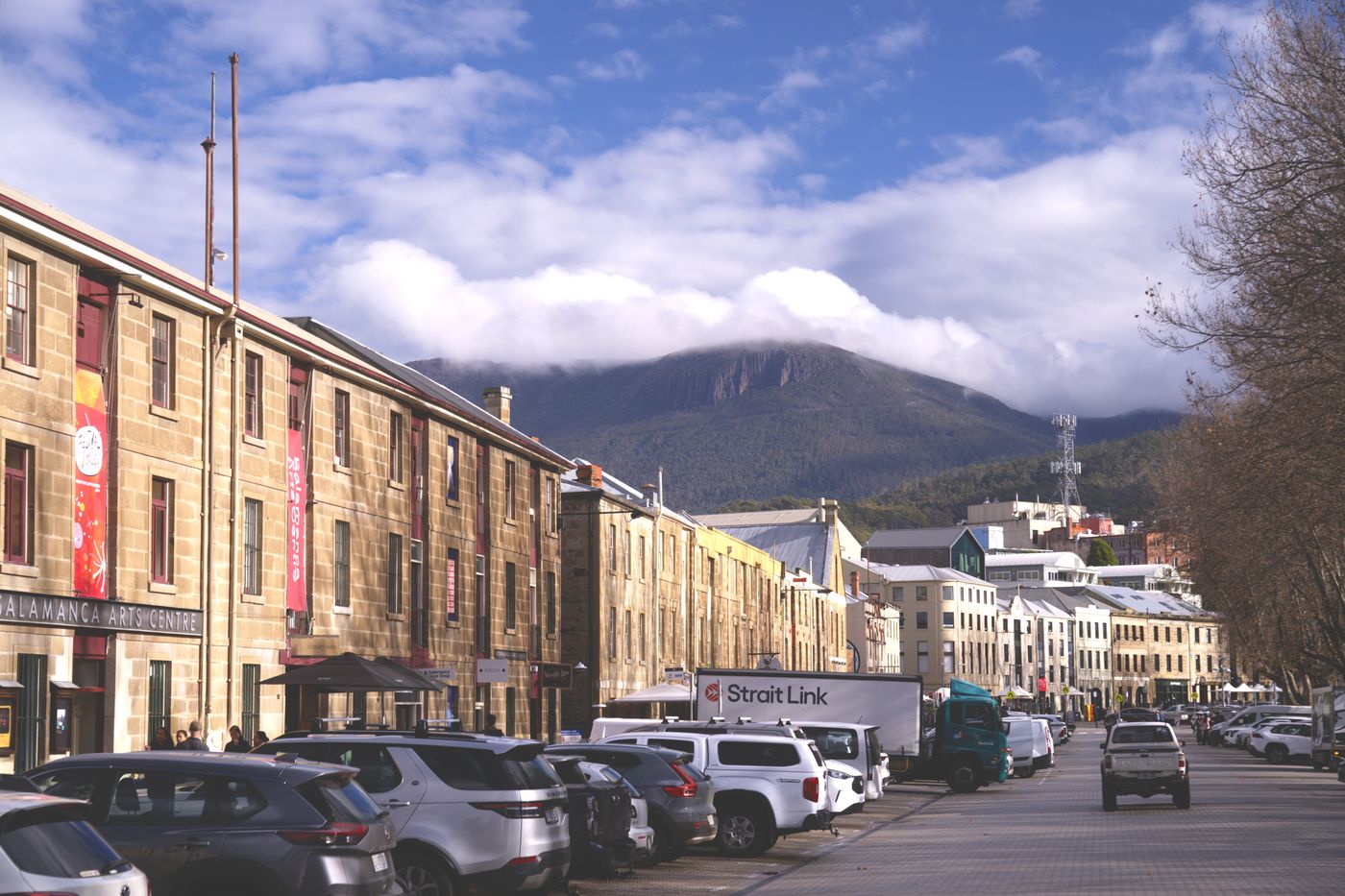 Artist-run spaces, a vinyl café and Salamanca's back streets — an indoor Hobart day
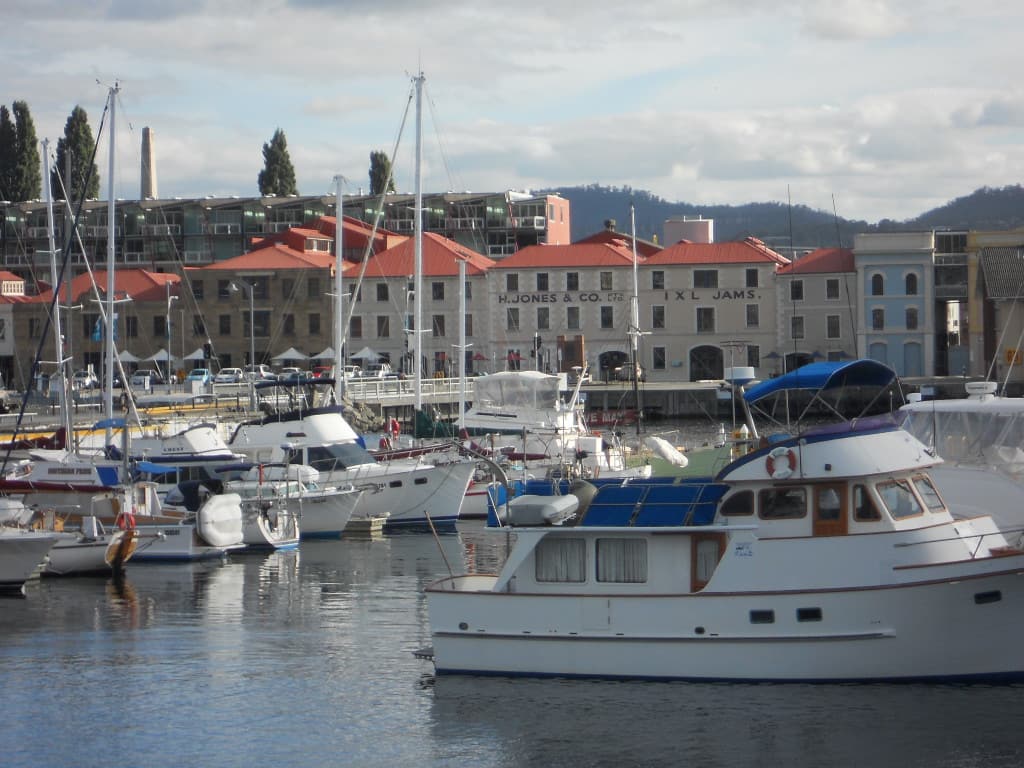 A winter feast at Dark Shed, then Salamanca bites, waterfront drinks and North Hobart dinner
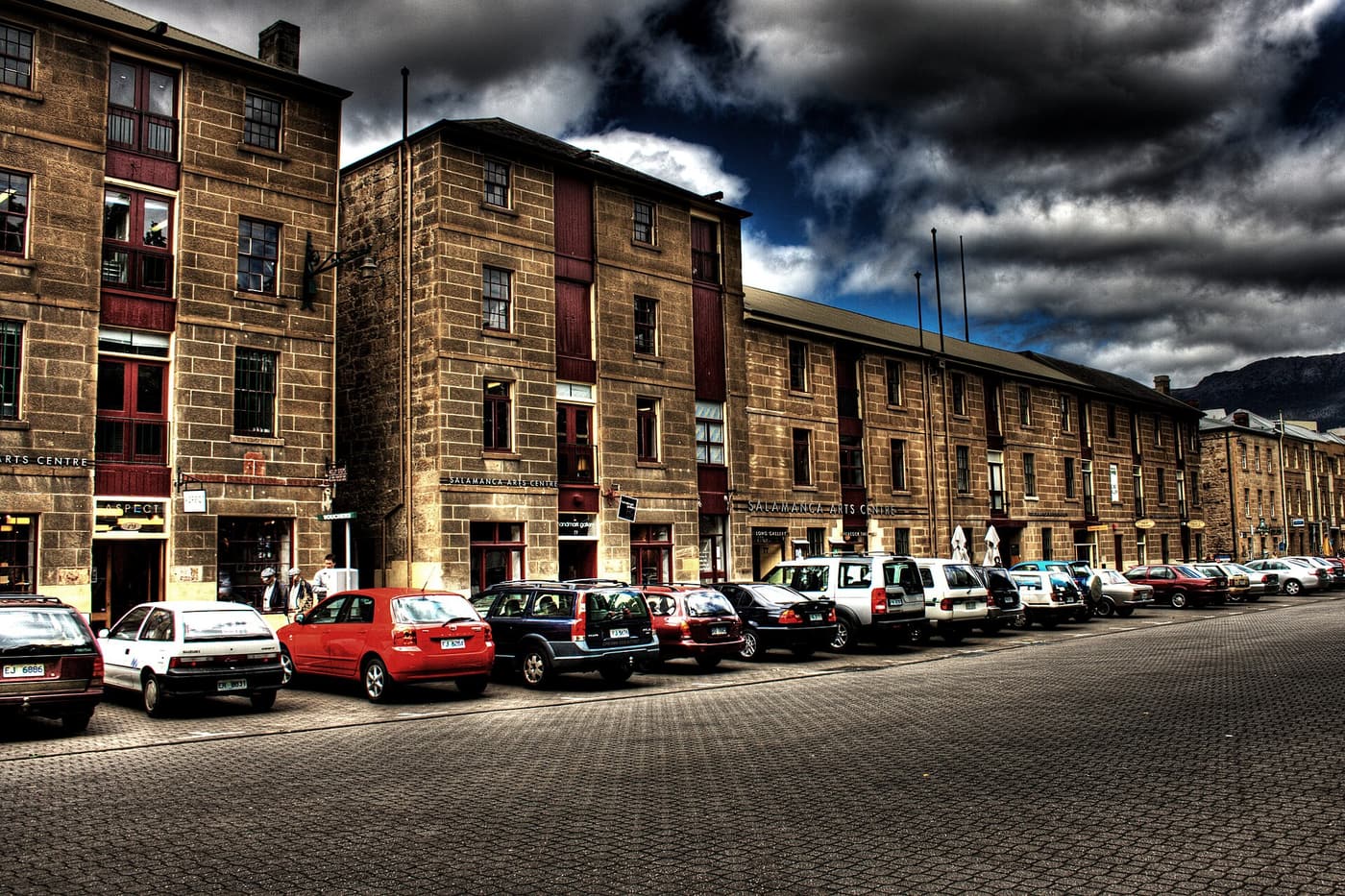 A wet-weather wander through Hobart's museums, bookshops, and arts spaces
 makes a personal plan in one tap. Tune it by mood, diet, time, budget, squad — and drop in your own places. Works in 65,000+ cities. It learns what you like, so every next plan fits better. Stop Searching. Start going.
Sources give mixed signals about this spot — we recommend confirming before visiting.
Tap outside to close
Tap outside to close
 squad
squad like
like