
📍 8 stops · ⏱ ~7.5 h

A day built for low clouds and cobblestones, moving between the grand rooms of the Hofburg, the quiet drama of the Court Church, and the tucked-away cultural spaces that locals fill on grey afternoons — all within a few hundred metres in the old town, with pauses for coffee and a long lunch along the way.
Want your own personalized plan for free?
The former Habsburg palace sits right at the edge of the old town, its state rooms restored to their eighteenth-century appearance under . The Giant's Hall on the upper floor is the real draw — a vast banqueting space with ceiling frescoes and portraits of the imperial family that feels almost untouched since the court left. The palace chapel and the empress's apartments give a quieter, more domestic view of how the building was actually lived in.
Hofburg Innsbruck · TicketsTiqets Things to do nearby Innsbruck: Historical Tales, Photo Spots & Desserts Audio tour
WeGoTrip
from €27
Innsbruck: Historical Tales, Photo Spots & Desserts Audio tour
WeGoTrip
from €27
After the state rooms, step out into the inner courtyard before leaving — there is a small café tucked in the corner that does a decent espresso, and the arcades around the edge are good shelter if the rain has picked up. The main entrance on Rennweg always has a queue by late morning; the courtyard exit onto the back lane drops you closer to the cathedral anyway.
The small square in front of the cathedral sits at the hinge between the grand imperial quarter and the tighter medieval lanes of the old town. On a wet morning the paving stones turn dark and glossy, and the Baroque facade of the cathedral looks heavier, more serious, than it does in sunshine. The square is usually quiet before noon — a few people cutting through, a couple of visitors pausing under the awning of the shop opposite.
The cathedral of St. James is a Baroque rebuild on a much older Gothic church, and the interior is the kind of space that makes you look up immediately — the ceiling frescoes by the flood the nave with colour and movement, a complete contrast to the sober stone exterior. The high altar painting of the Madonna by is the single most important artwork here, hung above a marble altar that catches whatever light makes it through the windows.
Dom zu St. Jakob · Book onlineGetYourGuideThe Court Church is built around a tomb that is famously empty — is buried elsewhere, but the cenotaph he commissioned is surrounded by twenty-eight larger-than-life bronze statues of his ancestors, real and imagined, standing guard in the nave. The figures are blackened with age and the effect in the low light of the church is theatrical, almost unsettling. The adjoining Silver Chapel upstairs is smaller and quieter, with a carved wooden altar and a view down into the main nave that most visitors miss.
Hofkirche · TicketsViatorA sprawling cellar restaurant under the old town with vaulted brick ceilings and heavy wooden tables that have been here for decades. The menu is solidly Tyrolean — dumplings, schnitzel, gröstl — and the portions are generous in the way that makes sense after a morning on your feet. The room at the back is quieter and warmer on a damp day; the front section nearer the street fills with lunchtime regulars by half past twelve.
Stiftskeller Innsbruck · TicketsTiqetsA small, light-filled café in the Saggen district that locals treat as a living room — the kind of place where people bring a book or a laptop and stay for an hour. The coffee is carefully sourced and the pastries are baked in-house, but the real draw is the calm, unhurried atmosphere that feels a long way from the tourist lanes of the old town. The window seats look out onto a quiet residential street with turn-of-the-century villas.
The Saggen district between the café and the river is worth the extra five minutes — the streets are lined with late-nineteenth-century villas and townhouses in a mix of Historicist and Jugendstil styles, built when the quarter was the fashionable address for Innsbruck's wealthy families. The facades are well-preserved and the area is almost entirely residential, so it stays quiet even on a Saturday.
The Plattform Mobile Kulturinitiativen occupies a set of railway arches near the centre, and it has been the city's most reliable hub for alternative music, experimental art, and independent culture for years. The programme shifts constantly — one week a noise show, the next a reading or a small exhibition — but the space itself is part of the appeal: raw brick, low lighting, and a crowd that is there for the art, not the scene. Check the door for what is on; even an empty afternoon here feels like tapping into a different Innsbruck.
Part bakery, part cultural space, the is where the city's creative crowd gathers for poetry slams, small concerts, workshops, and the kind of evening where someone reads a short story while you eat a slice of cake. The room is warm and slightly chaotic in the best way — mismatched furniture, shelves of books, and a counter that serves good bread and pastries all day. Late afternoon is the sweet spot: the lunch rush is gone and the evening programme has not started yet, so you can sit with a coffee and watch the place slowly fill.
Things to do nearby Food Tour : Culture & Culinary in Innsbruck's Old Town
Viator
from €165
Food Tour : Culture & Culinary in Innsbruck's Old Town
Viator
from €165
The main boulevard stretches south from the old town, lined with painted Baroque townhouses and arcaded shopfronts that keep you dry when the rain comes in. The stands in the middle of the street — a column topped with a statue of the Virgin Mary, erected in 1706 to mark the retreat of Bavarian troops. The mountains frame the view at the southern end, and on a grey evening the whole street takes on a soft, silvery light that the tourist photos never quite capture.
Stand at the foot of the and look south — the boulevard opens toward the Bergisel and the mountains, and the facades on either side are some of the best-preserved Baroque architecture in the city. The column itself is a war memorial disguised as a religious monument, and the four saints at its base represent the protectors of the . The cafés along the street start lighting their interiors around this time, and the whole stretch feels like the city's living room as the day winds down.
The lanes between the cathedral and Maria-Theresien-Straße are easy to navigate but the street names change every block — having a data connection means pulling up the map without ducking into a doorway, and checking what is on at the or before you walk over. The old-town walls block the signal in a few spots, but the boulevard itself is clear.
Get an eSIMAiraloIf you are carrying a bag from an early checkout, there is a luggage storage point near the main station — a few minutes' walk from the start of Maria-Theresien-Straße. Dropping it before the morning museum stretch means walking through the Hofburg and the with your hands free, which makes the whole day feel lighter.
Store your bagsRadical Storage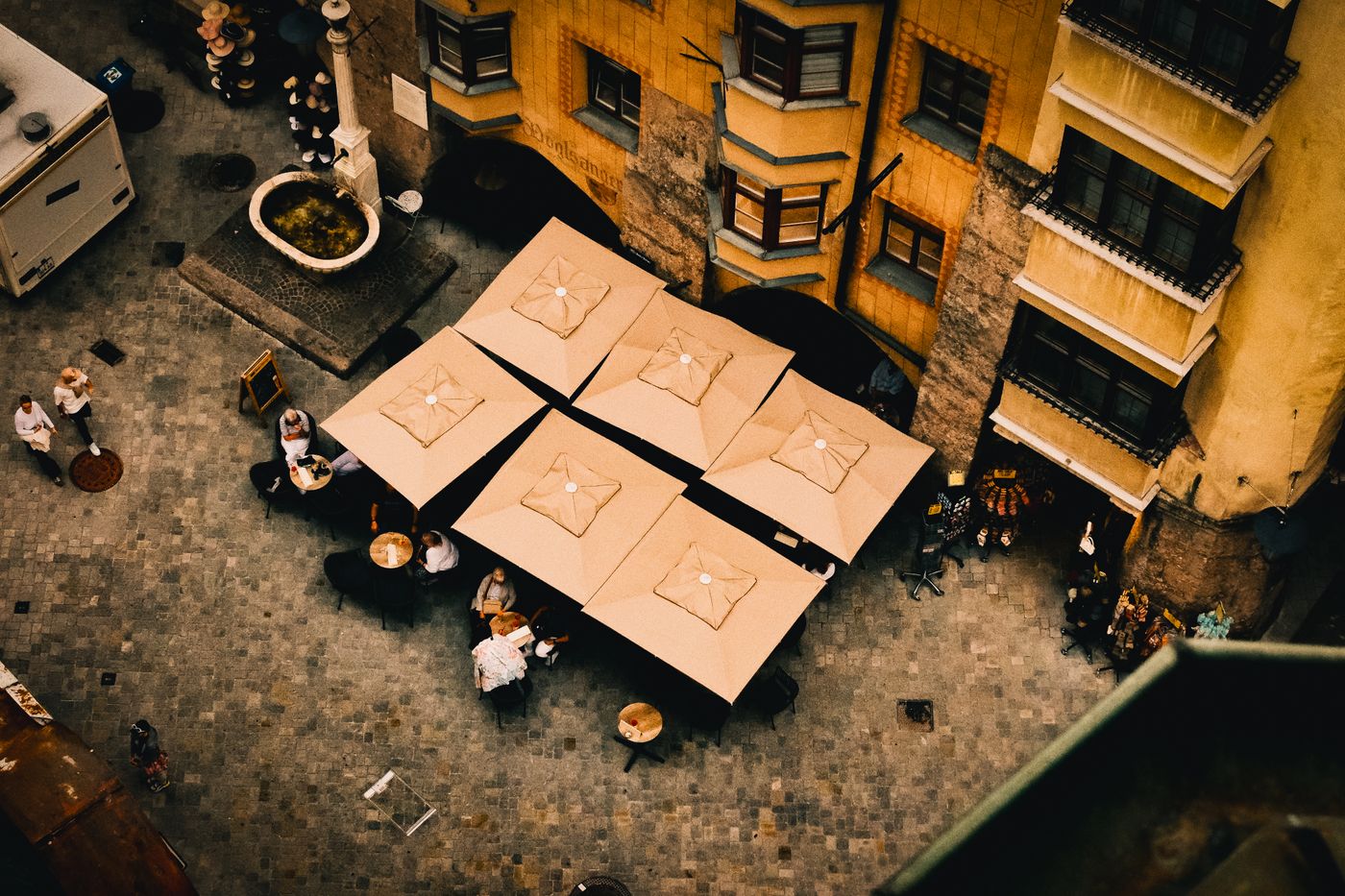 Imperial halls, folk-art devils, and a Habsburg tomb that's empty — a wet-weather day through Innsbruck's grandest and strangest indoors
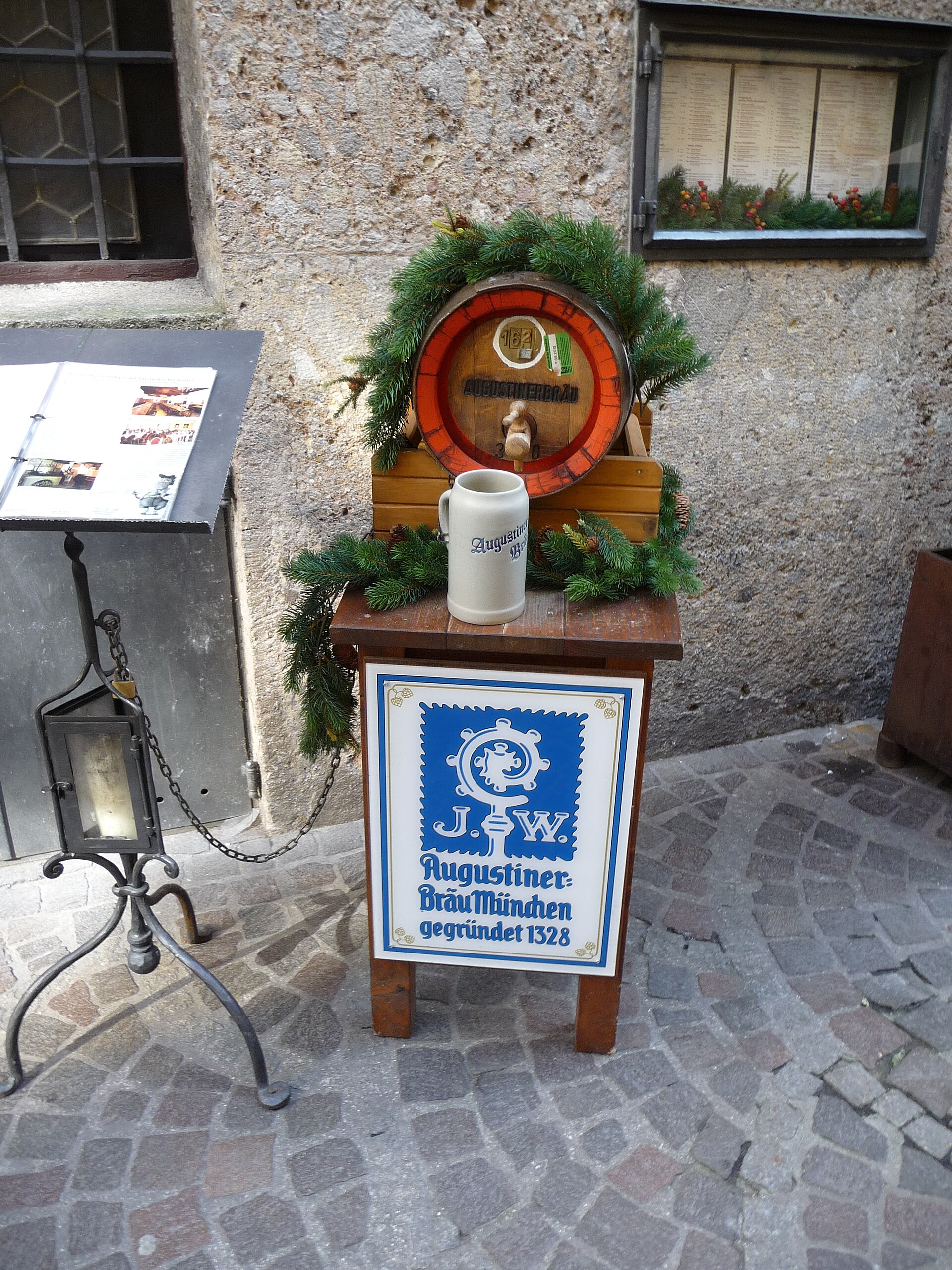 A food walk from morning flat whites to evening spritzes in Innsbruck
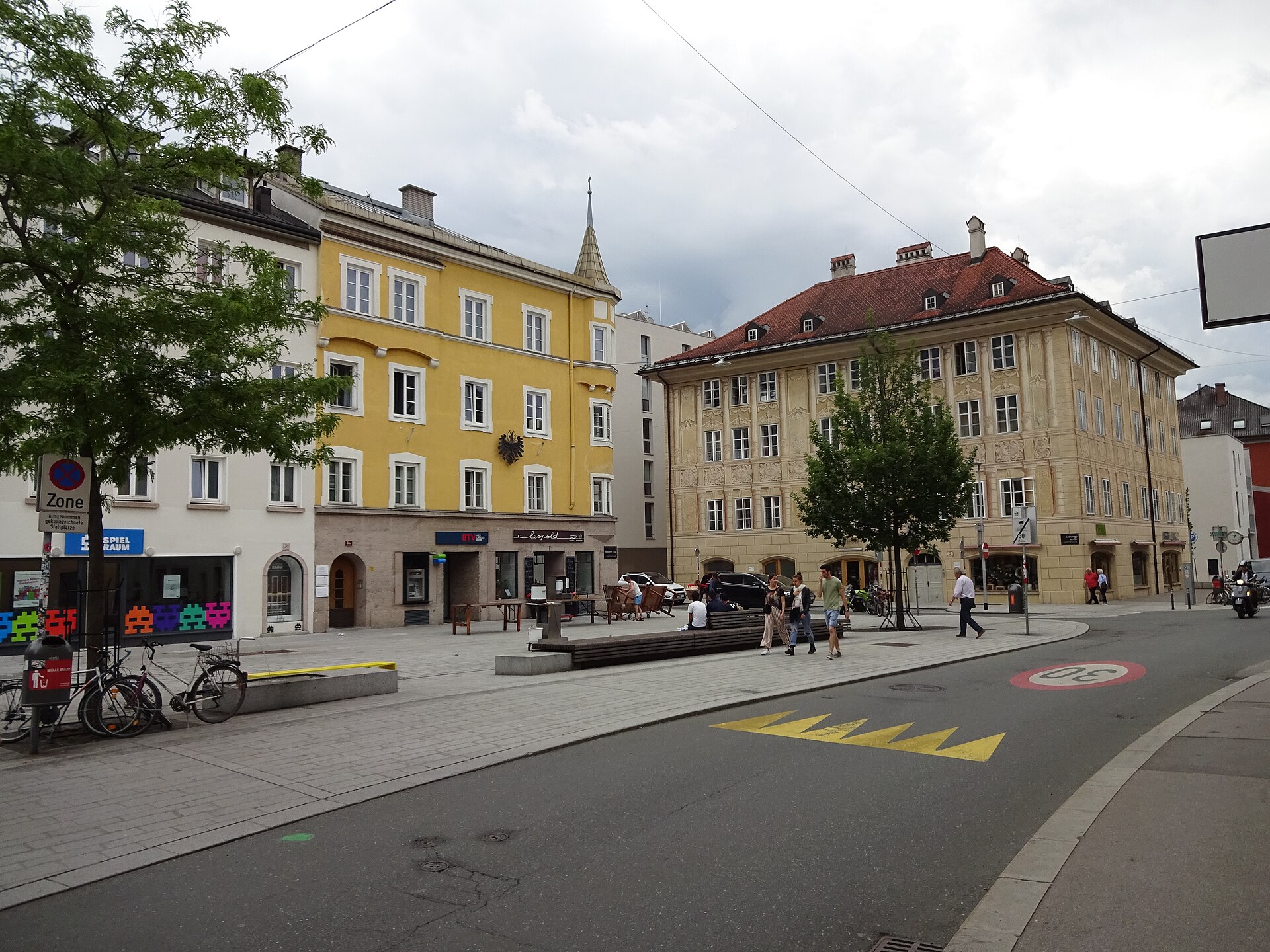 Museum morning at the Ferdinandeum, a gallery crawl through Wilten, and an evening on Wiltener Platzl
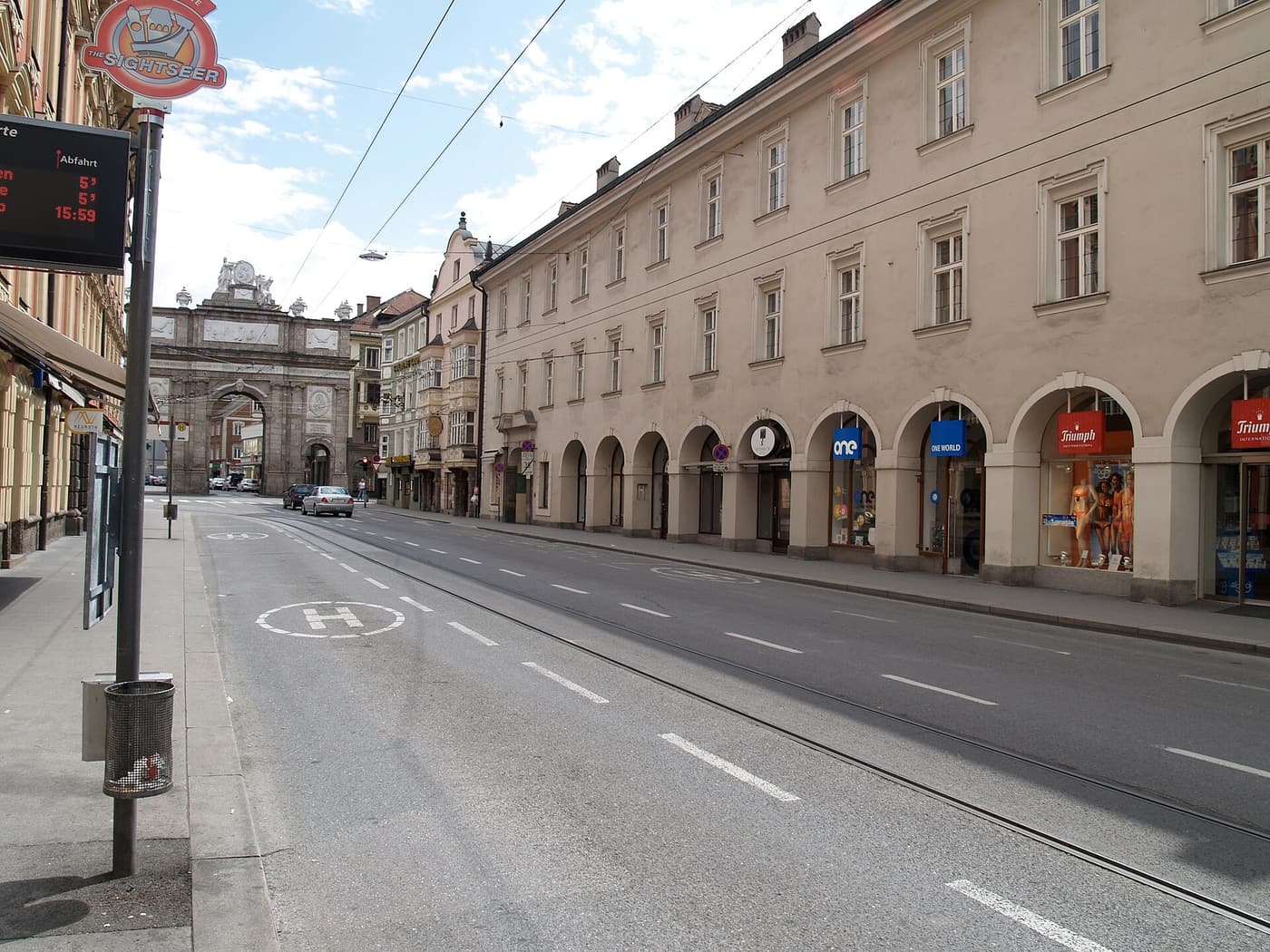 A day built around Innsbruck's food scene, from breakfast to dinner
 makes a personal plan in one tap. Tune it by mood, diet, time, budget, squad — and drop in your own places. Works in 65,000+ cities. It learns what you like, so every next plan fits better. Stop Searching. Start going.
Sources give mixed signals about this spot — we recommend confirming before visiting.
Tap outside to close
Tap outside to close
 squad
squad like
like