
📍 8 stops · ⏱ ~7 h

A day built for wet weather, moving through Innsbruck's best indoor collections before crossing the Sill into Wilten for its independent galleries, tucked-away coffee spots, and the local rhythm of Wiltener Platzl. We start with the city's oldest museum, then drift through a covered shopping arcade, a cultural backstage, and a string of artist-run spaces, ending where the neighbourhood gathers in the early evening.
Want your own personalized plan for free?
Founded in 1823, the was the third oldest national museum in the Austro-Hungarian Empire, and its collection spans art history, archaeology, natural sciences, and music. The building itself is a stately neo-Renaissance pile on Museumstraße, and inside you move from Roman-era finds through to paintings and a strong Gothic collection — the kind of encyclopedic regional museum where you can spend two hours and still feel you've only scratched the surface. The temporary exhibitions are often the real draw for locals, pulling in contemporary work that dialogues with the permanent holdings.
Things to do nearby Innsbruck: Historical Tales, Photo Spots & Desserts Audio tour
WeGoTrip
from €27
Innsbruck: Historical Tales, Photo Spots & Desserts Audio tour
WeGoTrip
from €27
Locals tend to work top-down here — the Gothic and Baroque rooms on the upper floor are quieter in the morning, and the light through the tall windows hits the altarpieces at its best angle before noon. The temporary exhibition wing on the ground floor picks up later in the day, so looping back down toward the end of your visit means you catch it when it's liveliest.
The short bridge over the Sill river marks a quiet boundary: the museum quarter of the city centre gives way to Pradl, a residential district of postwar apartment blocks with an unpolished, lived-in feel. The river itself runs fast and milky-green from the mountains, and on a grey day the sound of it under the bridge is the loudest thing around. rises on the far bank — a multi-level shopping centre built into the slope, its glass roof keeping the rain off as you climb toward the cafés.
Innsbruck's largest inner-city shopping centre, built into a hillside with a glass-roofed atrium that makes it a natural wet-weather waypoint. The mix is practical rather than glamorous — a large supermarket, chain fashion, a bookshop — but the real value here is the covered route it provides between the city centre and the neighbourhoods east of the Sill. On a rainy Saturday morning it fills with locals doing their weekly shop, and the top-floor food court has views out toward the Nordkette that catch you by surprise.
An independent café on a corner in Pradl that has become a quiet hub for the city's creative and student crowd — the kind of place where laptops stay open all morning and the espresso is pulled short and strong. The interior is minimal and bright, with big windows onto the street, and the menu leans toward Australian-style brunch plates and good bread. It is the sort of spot that feels like it belongs in a much bigger city, and on a rainy lunchtime the warm, steamed-up windows and low hum of conversation make it an easy place to linger.
The railway viaduct that cuts through the city centre creates a long row of arched brick vaults beneath the tracks, and over the years these have been colonised by bars, workshops, and small cultural venues. The brickwork is dark and sooty, the ceilings low and curved, and the whole stretch has a raw, repurposed feel — the kind of space that could only exist in the gaps left by infrastructure. sits in one of these arches, its unmarked entrance easy to miss if you are not looking for it.
A cultural centre tucked into a railway arch that runs a programme of exhibitions, readings, concerts, and workshops — the kind of space where the line between audience and participant is deliberately blurred. The name comes from its past life as a bakery, and the interior still carries traces of that history in the tiled walls and high ceilings. The programme changes constantly, so what you find depends on the week, but there is nearly always something on the walls or a small event in the back room. It is one of those places that defines a city's underground cultural scene without ever making a big noise about it.
Wilten is the oldest settlement in the Innsbruck area, predating the city itself, but today it feels like the most independent-minded of the inner districts. The streets around Wiltener Platzl are lined with small galleries, artist-run spaces, vintage shops, and cafés that cater to a local crowd rather than tourists. The architecture is a patchwork — baroque church domes rise above 19th-century apartment blocks, with the occasional bold contemporary intervention — and the whole area has a slower, more deliberate pace than the Altstadt across the river.
A concept store and gallery hybrid on a quiet Wilten side street, stocks a carefully edited selection of independent magazines, design objects, and small-run fashion, with a gallery wall at the back that rotates shows by local and international artists. The space is small but considered — the kind of shop where you can spend twenty minutes browsing and leave with a print or a book you did not know you wanted. The owners have a sharp eye, and the curation feels genuinely personal rather than algorithm-driven.
A small, independent coffee roastery and café that takes its beans seriously — they roast on-site, and the menu is short, focused, and excellent. The interior is compact, with a handful of tables and a counter where regulars stop for a quick espresso standing up. It is the kind of place that anchors a neighbourhood: the barista knows most people by name, the music is low, and on a rainy afternoon the smell of fresh coffee and the warm hum of conversation make it hard to leave.
An artist-run gallery in Wilten that has been quietly showing contemporary work by Tyrolean and international artists for over two decades. The space is intimate — a single room with white walls and good light — and the exhibitions lean toward painting, drawing, and mixed-media work that rewards close looking. It is not a place you stumble across; you go because you know it is there, and that sense of being in on something is part of its appeal. The artist or gallerist is often present, and conversations about the work happen naturally.
The heart of Wilten, a triangular square framed by plane trees, independent cafés, and the twin baroque towers of the . On a Saturday evening the square fills with locals — families on benches, students with beers from the corner shop, couples walking dogs — and the atmosphere is unhurried and genuinely local. The surrounding streets hold a handful of small restaurants and wine bars, and the square itself is a place to sit and watch the neighbourhood go about its evening. The basilica's copper domes catch the last of the light, and when the church bells ring the hour, the sound rolls across the square and down the side streets.
When the evening wraps up on Wiltener Platzl and you pull up the map to find the quietest route back toward the centre, having a little data on your phone means you can cut through the residential lanes south of the rather than retracing the main road — a prettier walk, and one you would not guess without the map open.
Get an eSIMAiraloIf you arrived into Innsbruck earlier in the day with a bag, the stretch between the and is the moment to stash it — the railway arches are a short walk from the main station, and wandering through Wilten's galleries hands-free in the afternoon is a much better experience than dragging a suitcase over cobbles.
Store your bagsRadical StorageThe permanent collection is strong, but the temporary exhibitions are where the museum feels most current — check what is on before you go, as the programme shifts seasonally and the contemporary shows often make the best use of the ground-floor gallery.
The events calendar at changes weekly — readings, small concerts, workshops, and exhibitions. Check their site before you go to see what is on during your visit; the space is small and some events sell out.
The square is ringed with small restaurants and wine bars that fill up with locals from around 18:00 — arrive a little before the rush to grab an outdoor table under the plane trees if the weather clears, or settle into one of the cosy indoor spots with a glass of Grüner Veltliner.
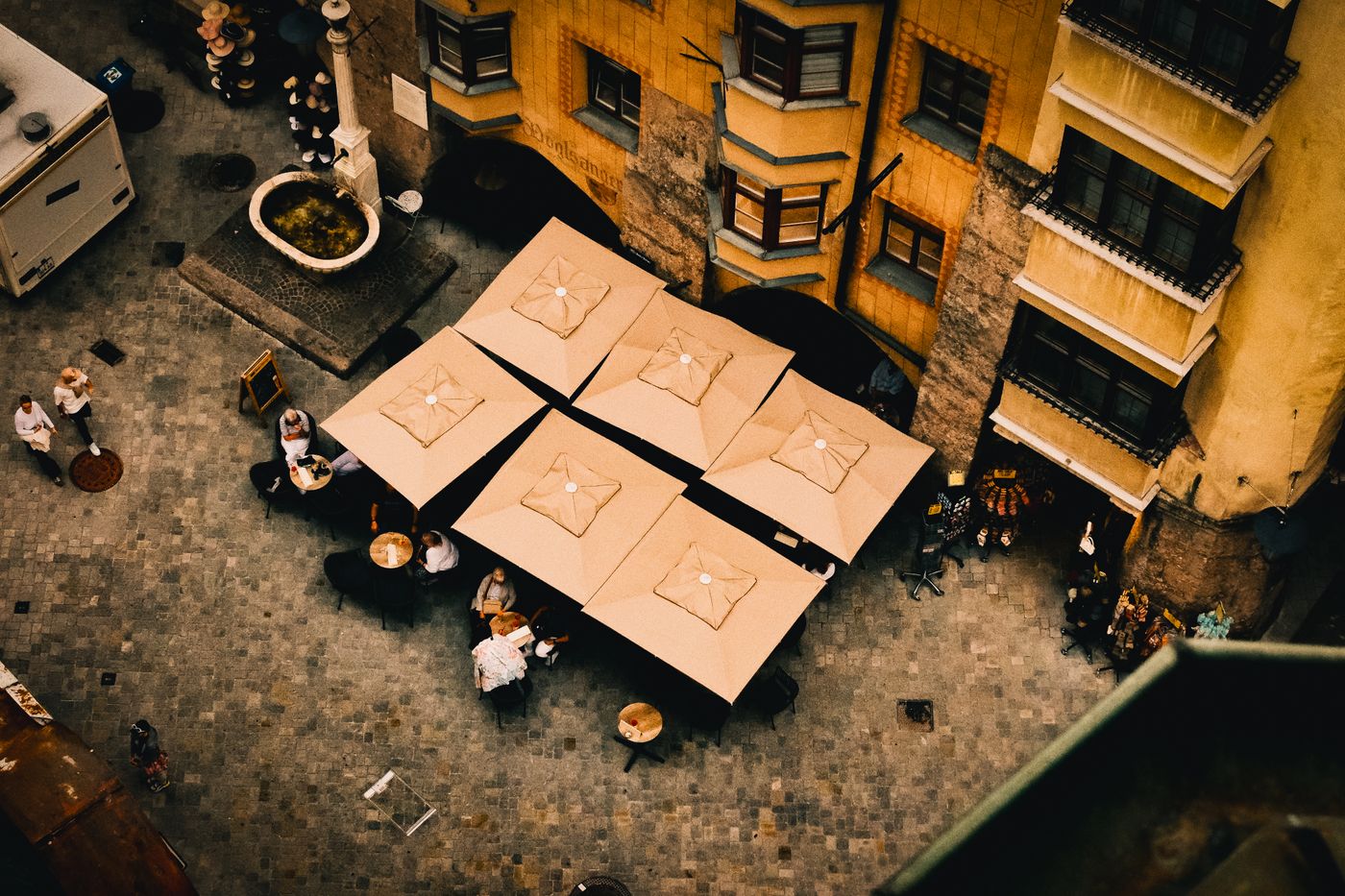 Imperial halls, folk-art devils, and a Habsburg tomb that's empty — a wet-weather day through Innsbruck's grandest and strangest indoors
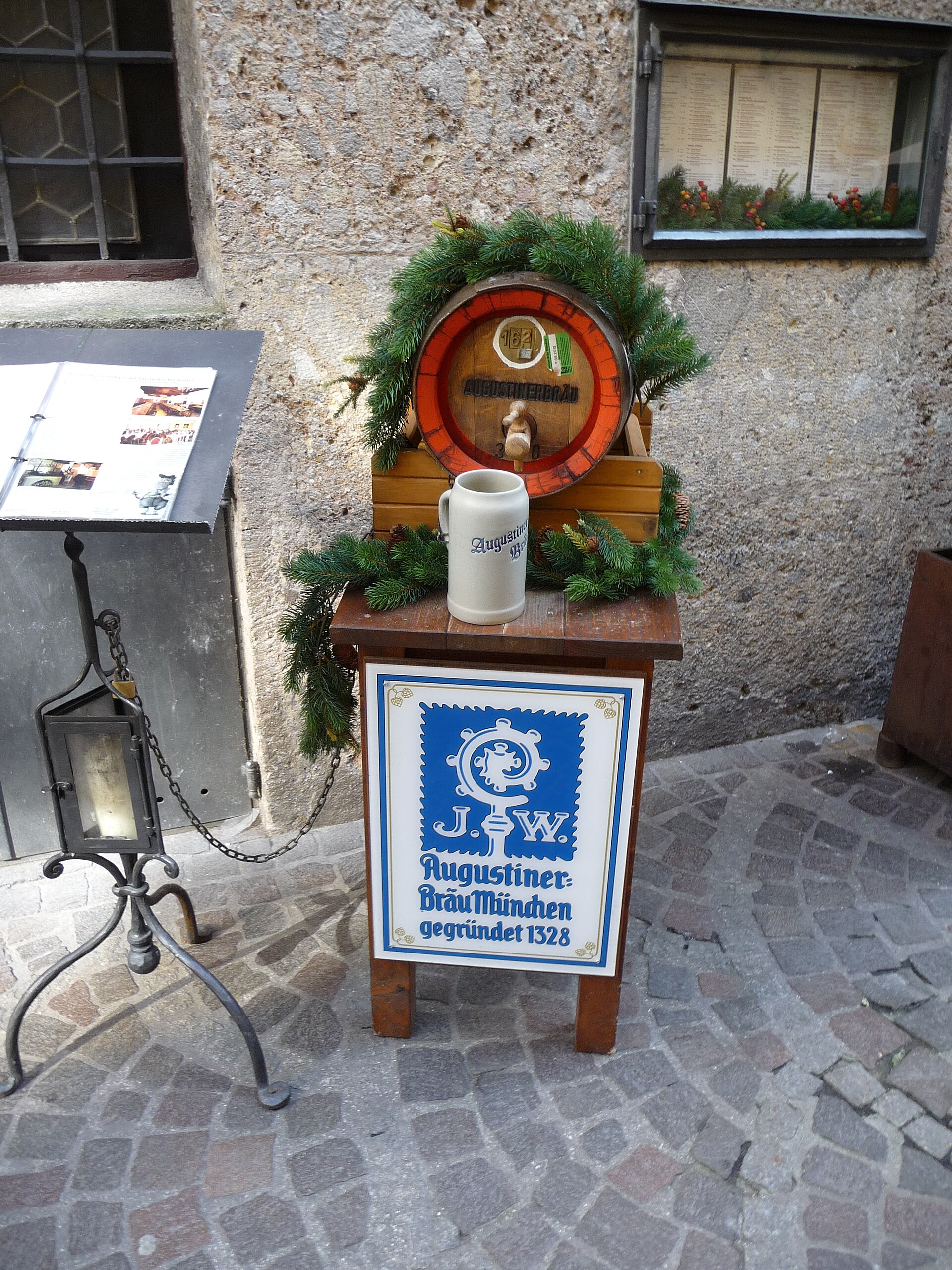 A food walk from morning flat whites to evening spritzes in Innsbruck
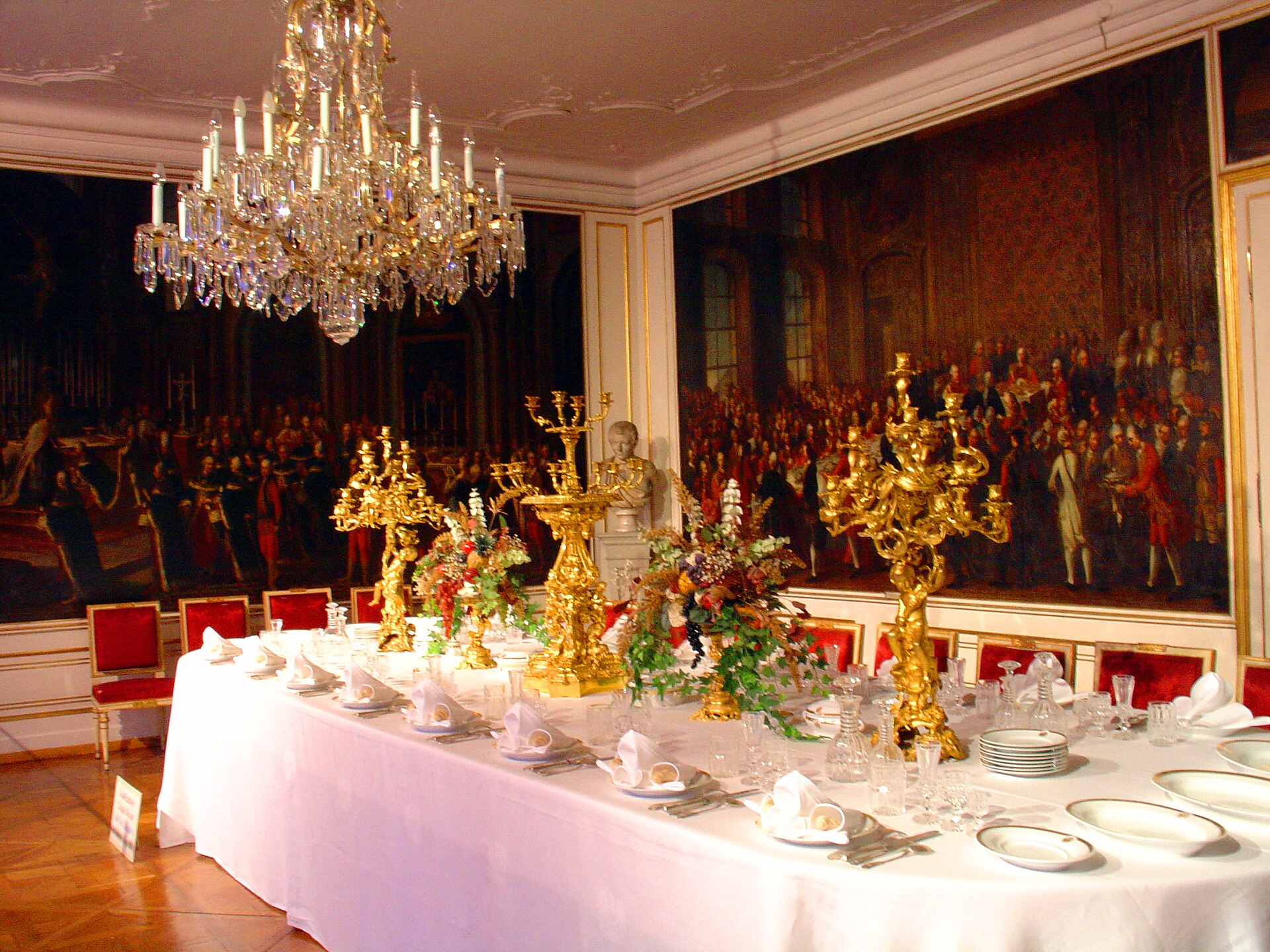 Imperial halls and quiet corners: a rainy-day walk through Innsbruck's historic core
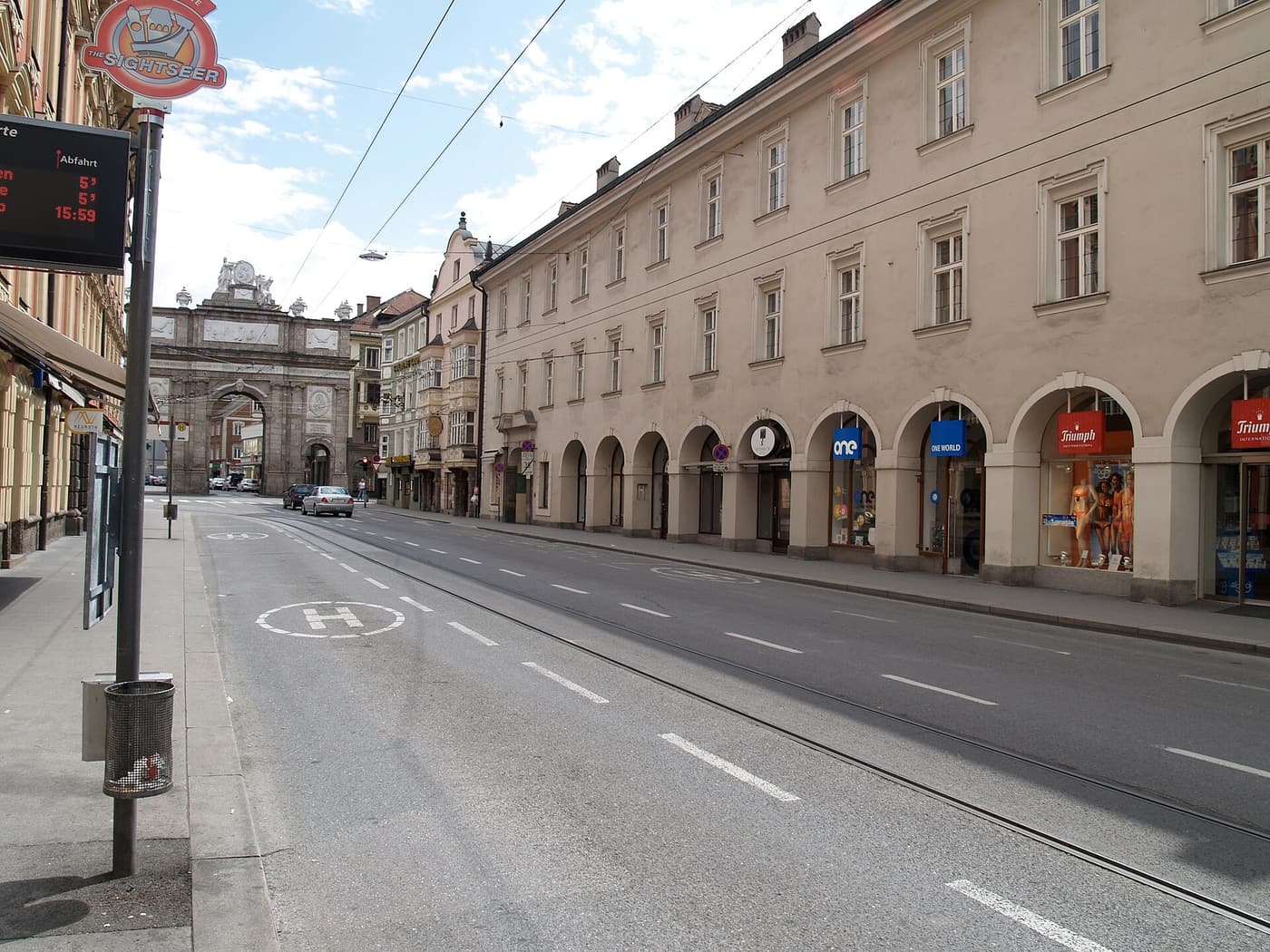 A day built around Innsbruck's food scene, from breakfast to dinner
 makes a personal plan in one tap. Tune it by mood, diet, time, budget, squad — and drop in your own places. Works in 65,000+ cities. It learns what you like, so every next plan fits better. Stop Searching. Start going.
Sources give mixed signals about this spot — we recommend confirming before visiting.
Tap outside to close
Tap outside to close
 squad
squad like
like