
📍 8 stops · ⏱ ~8 h · 🎟 from €80

A day built for curious locals who want to see their own city through a different lens—starting with the ambitious new art at BRUSK, catching the midday carillon in the old courtyard, then walking the photo tour through the quieter quarters of Sint-Anna and Sint-Gillis before ending at the Saturday market on 't Zand.
Want your own personalized plan for free?
Musea Brugge's newest exhibition space opened in 2026 in a repurposed modernist building near the station, and it has been the talk of the local art crowd ever since. The current programme pairs the digital-immersive work of with the cultural-historical show ',' so you get a sharp contrast between cutting-edge AI-driven installations and the weight of Flemish heritage in one visit. The gallery itself is still under the radar of most day-trippers, which means you can move through the rooms without the usual crush.
BRUSK · Book onlineGetYourGuideBefore its transformation, this structure served as a municipal exhibition hall that many locals remember as a tired, boxy space. The architects kept the strong concrete bones but opened the interior with a central light well that changes the mood of the whole building—stand in the middle for a moment and look up before you head into the galleries.
Every Saturday at 11 AM the city carillonneur climbs the belfry tower and plays a programme of classical, folk and occasionally surprising pop arrangements on the 47 bronze bells. The sound spills down into the inner courtyard of the city halls, and the best way to experience it is to stand right there with a coffee and let the music bounce off the Gothic stone facades around you. It's a free, word-of-mouth ritual that tourists often stumble upon by accident, but locals know to time their Saturday errands around it.
A small-group photo walk capped at four people, led by a local photographer who knows which back lanes and canal corners catch the best light at this hour. You'll move through the lesser-photographed fringes of the centre—crumbling garden walls, quiet beguinage alleys, the working-class streets of Sint-Anna—and get real-time tips on composition and manual settings. The workshop format means you come away with a set of images that look nothing like the postcard shots everyone else brings home. Tickets are around €80 and should be booked in advance; the small group size means it often sells out.
"Edges of Brugge" Photo Tour -… · Photo sessionViatorfrom €80The 10 AM start catches the softer morning light on the eastern canals; the afternoon sessions in high summer can be harsh on the cobblestones.
The Sint-Anna quarter sits just east of the centre but feels a world apart: narrow lanes, whitewashed almshouse cottages from the 1600s, and almost no shopfronts aimed at visitors. This is where working-class Bruges lived for centuries, and the streets still carry that quiet, lived-in texture. The windmills on the old ramparts at the eastern edge make a natural turnaround point, and the light in the late afternoon here turns the brickwork a deep, warm ochre that photographers chase.
The sits at the heart of this neighbourhood, a modest 17th-century parish church that replaced a medieval chapel and still serves the local community. Around it, the streets fan out in a web of cobbled lanes lined with low workers' cottages, many of them now protected as monuments. Walk the block bounded by Jeruzalemstraat, Molenmeers, and the eastern canal—the almshouses here, with their tiny walled gardens and stepped gables, are some of the most intact examples of their kind in the city.
Sint-Anna quarter · Book onlineGetYourGuideBy mid-afternoon the streets of Sint-Anna fall into a hush that feels almost rural—you'll hear the clatter of a bicycle on cobblestones long before you see it. The cafés here are small, owner-run, and filled with neighbours catching up over a newspaper rather than tourists consulting maps. Grab a seat at a window table and watch the light shift across the brick facades; this is the slow, unspectacular rhythm that makes the quarter feel like a village inside the city.
A small, family-run coffee house tucked into a side street off the Molenmeers, with a handful of tables inside and a narrow terrace that catches the afternoon sun. The coffee is pulled short and strong, the pastries come from a bakery two streets over, and the regulars are mostly locals who have been coming here for years. It's the kind of place where the owner remembers your order and the conversation drifts between Flemish and English depending on who walks in.
The web of lanes in Sint-Anna and Sint-Gillis is easy to get turned around in—the streets curve and change names without warning, and the canal loops can disorient you. Pulling up the map on your phone to trace the route from the almshouses down to Ezelstraat keeps you oriented without having to stop and ask, and having a little data running in the background means you can check which of the small vintage shops on Sint-Gillis's side streets is actually open before you walk over.
Get an eSIMAiraloWest of Sint-Anna, Sint-Gillis shares the same cobbled, low-rise character but leans a little more towards the creative: a handful of vintage clothing and record shops have opened here in the last few years, tucked between the old butcher shops and bakeries that have served the neighbourhood for generations. The contrast between the traditional and the new is what gives the area its texture—you can pass a 17th-century almshouse and a curated second-hand store on the same block.
The anchors this quarter, a sturdy brick church with a history stretching back to the 13th century, though much of what you see today dates from the 15th and 16th. The streets radiating from it are some of the least-touristed in the inner city, lined with small independent shops—vintage clothing, second-hand books, and a couple of record stores that draw a weekend crowd of local collectors. Spend your time here browsing slowly and noticing the small architectural details: the arched doorways, the wrought-iron signs, the occasional 17th-century date stone set into a wall.
Ezelstraat runs north-south through the western edge of the centre and has quietly become the city's most interesting shopping street, bypassed by the tourist masses who stick to Steenstraat. The mix here is eclectic: a ceramics studio, a couple of independent fashion boutiques, a gallery or two, and some of the best small design shops in town. Even if you don't buy anything, the window displays alone give a sense of what Bruges's young creative scene is producing right now—far from the lace and chocolate of the main squares.
Every Saturday morning the fresh food and flower market sets up on 't Zand, and by late afternoon the pace slows into a more relaxed browsing rhythm—the flower sellers are still there, the cheese and bread stalls are packing down, and the square fills with locals doing their weekend shopping. It's a working market, not a tourist attraction, and the produce reflects the season: summer berries, cut flowers from the fields outside the city, and the kind of artisanal bread and cheese that Bruges's residents have been buying here for decades. The fountain in the centre and the terrace cafés around the edge make it a natural place to end the day with a drink and watch the square wind down.
If you arrived with a daypack or a small bag from the morning, the last stretch through the market is much more pleasant with your hands free—there's a luggage drop point near the station, a short walk from 't Zand, where you can leave your things and pick them up after. Strolling through the flower stalls without a bag on your shoulder feels like a different evening entirely.
Store your bagsRadical Storage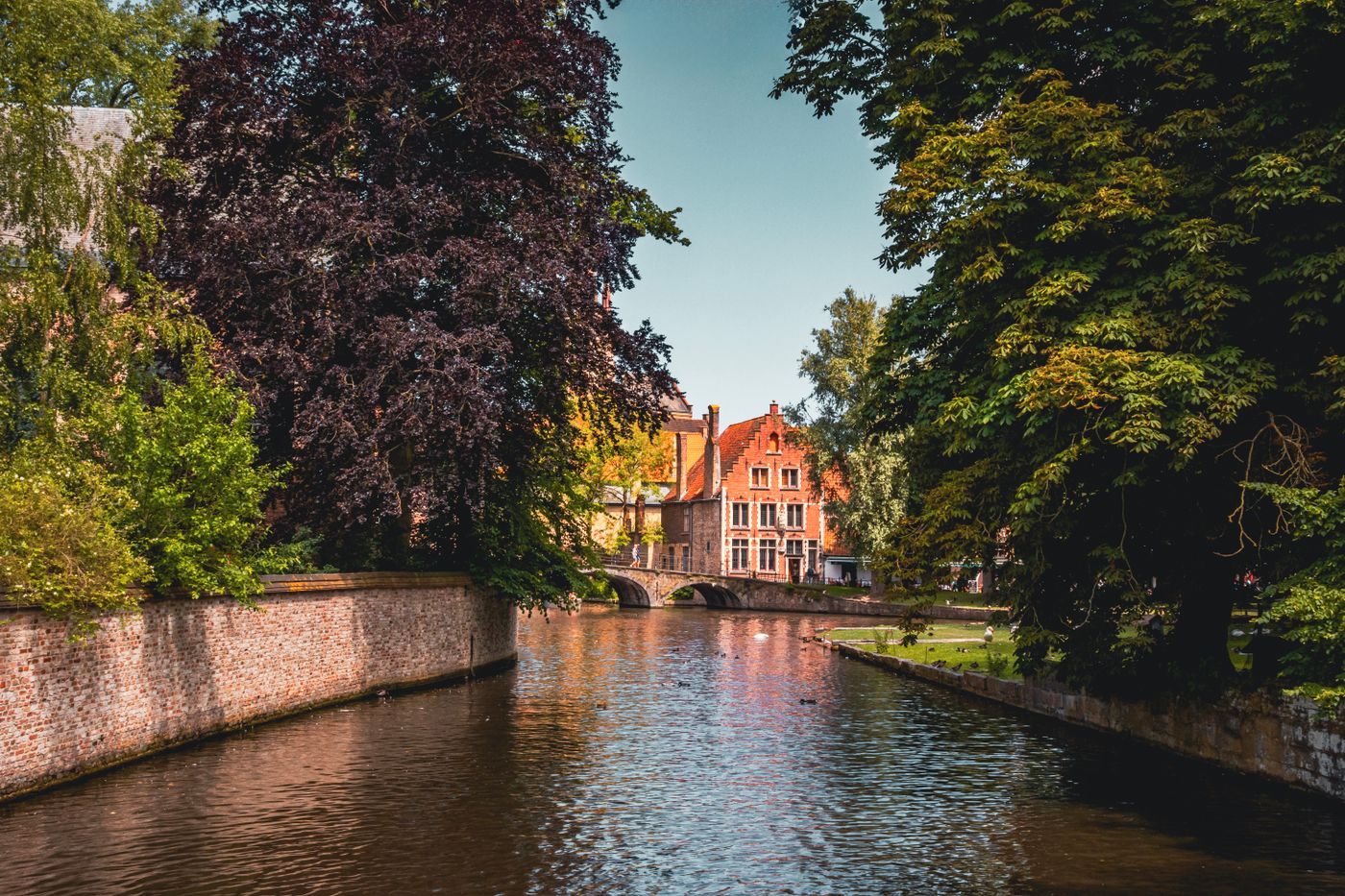 Windmills, parks and open-air music — a full day outdoors in Brugge
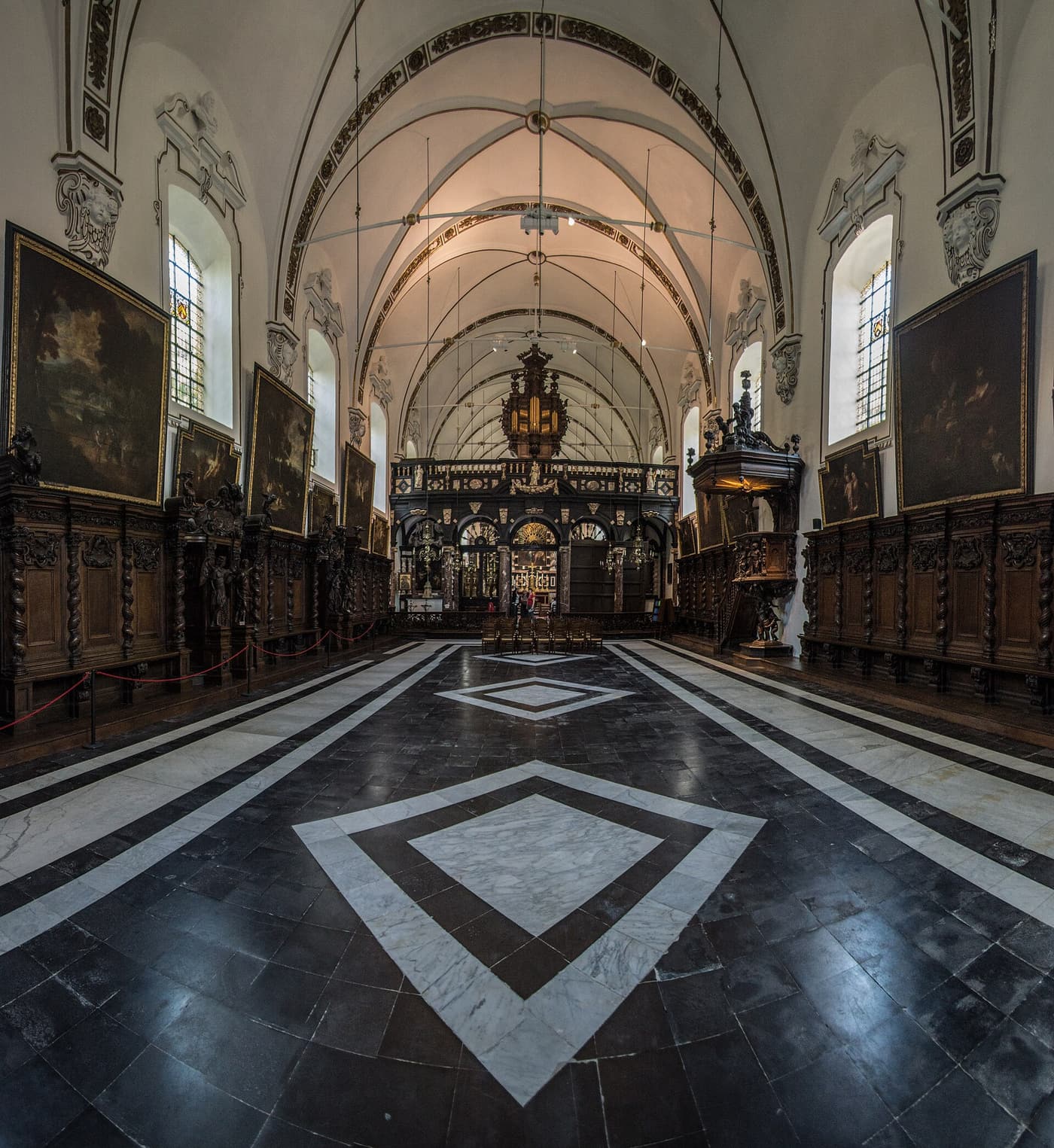 Morning photo workshop through the quiet eastern edges, then Jeruzalemkerk and a slow canal-side afternoon
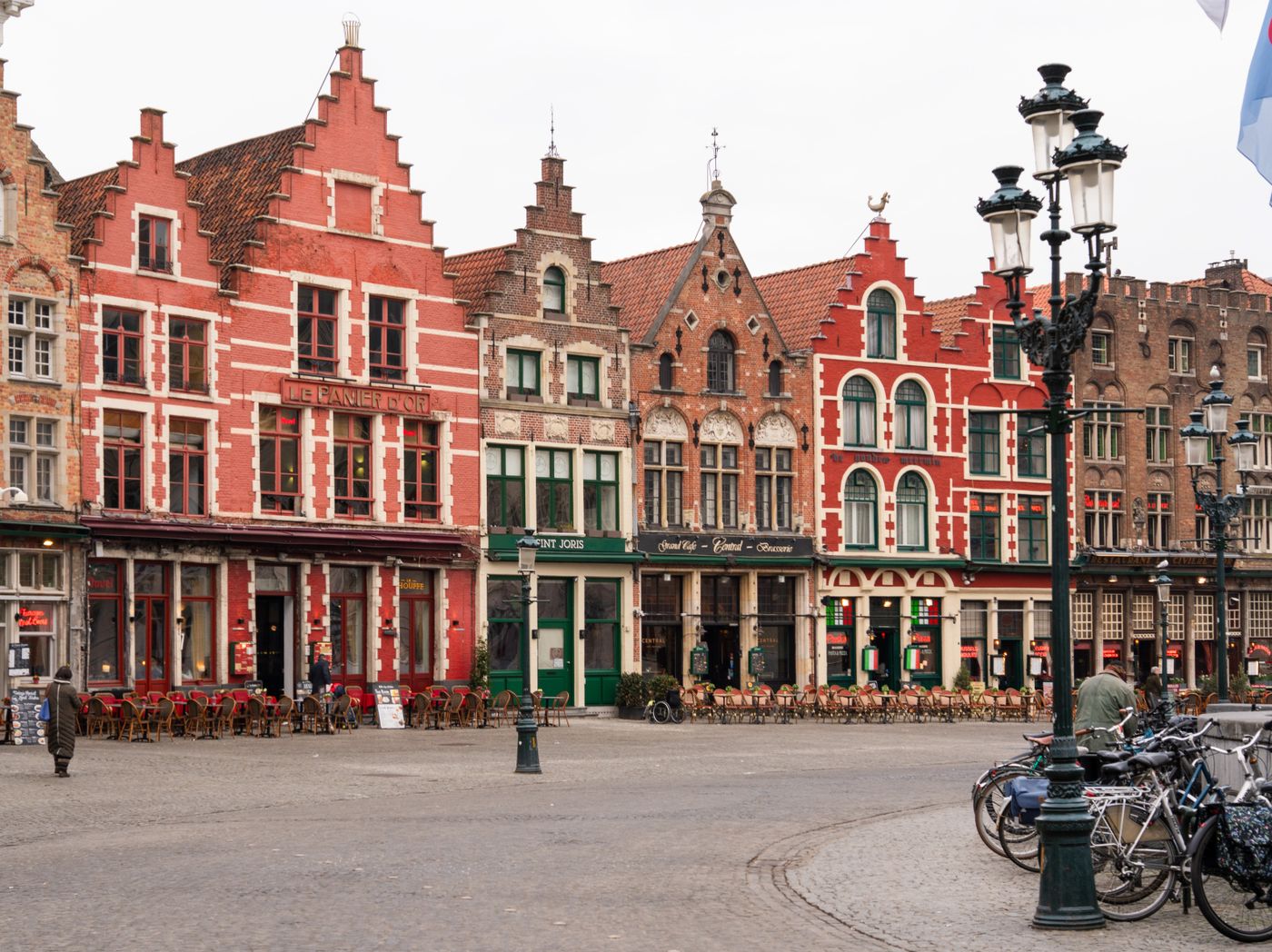 Parks, beguinage quiet and a rampart walk, with a carillon concert and market along the way
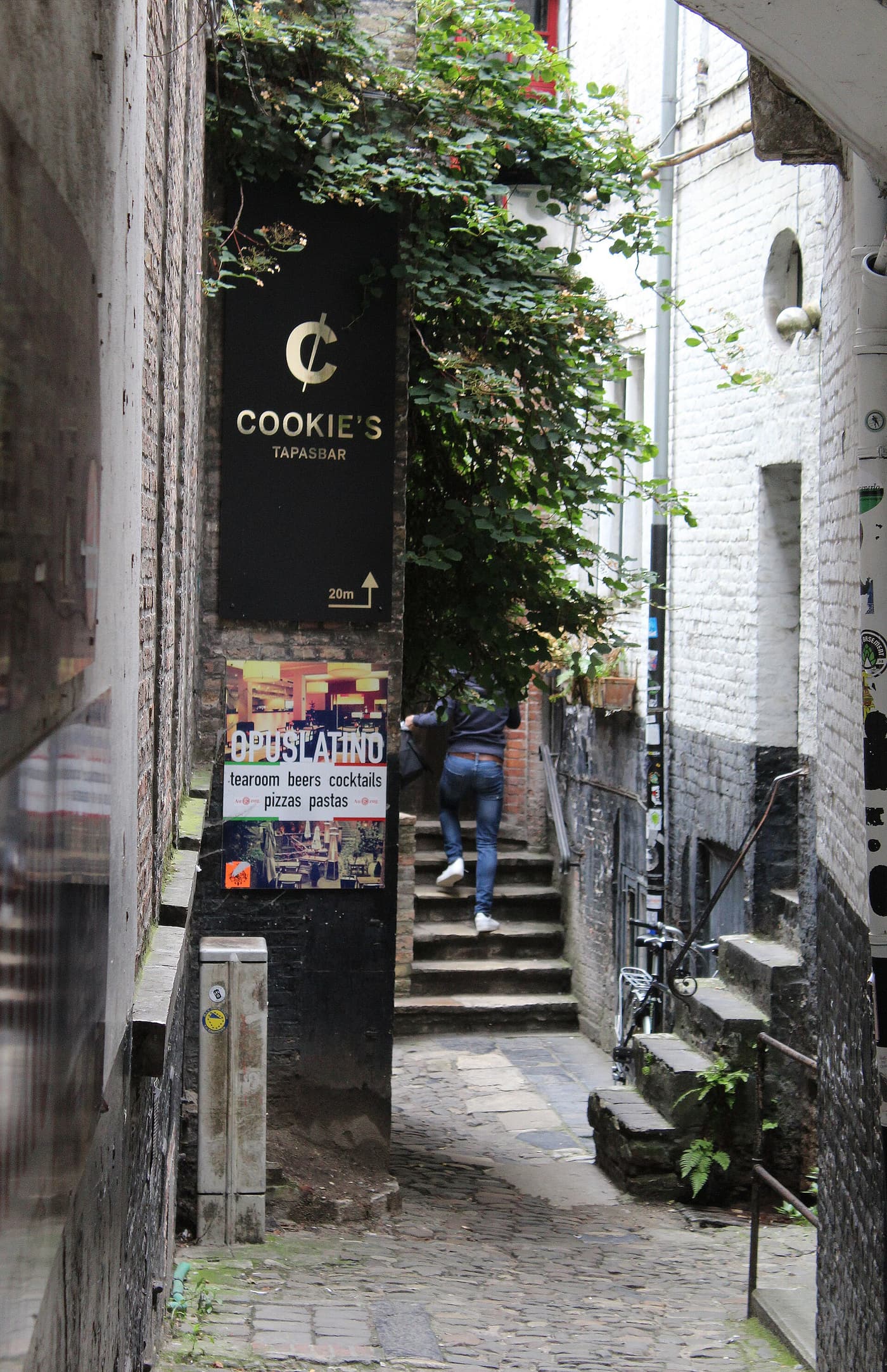 Photo walk from the lake to the canals, market lunch and a fort-building afternoon
 makes a personal plan in one tap. Tune it by mood, diet, time, budget, squad — and drop in your own places. Works in 65,000+ cities. It learns what you like, so every next plan fits better. Stop Searching. Start going.
Sources give mixed signals about this spot — we recommend confirming before visiting.
Tap outside to close
Tap outside to close
 squad
squad like
like