
📍 7 stops · ⏱ ~9 h · 🎟 from €80

A full day spent almost entirely outdoors, moving from the quiet southern lakes to the northern windmill quarter, with a morning photo workshop, a midday market lunch, and an afternoon of canals, neighbourhood lanes and a fort-building contest by the water.
Want your own personalized plan for free?
A two-hour open-air photo walk and workshop that takes a small group out to the quieter fringes of the city, away from the postcard centre. A working photographer guides the session — you learn to read light on brick and water, frame reflections in the canals, and work with the long morning shadows that fall across the lesser-visited streets. The workshop supplies practical tips on composition and exposure as you walk, so you leave with a set of images that actually feel like yours rather than postcard copies. Booking ahead is essential — the group is capped at four people, and the early slot fills quickly in summer.
"Edges of Brugge" Photo Tour -… · Photo sessionViatorfrom €80The 10am walk catches the best light — long, low shadows and empty streets before the midday crowds fill the centre. Bring a fully charged phone or camera; the guide helps with both.
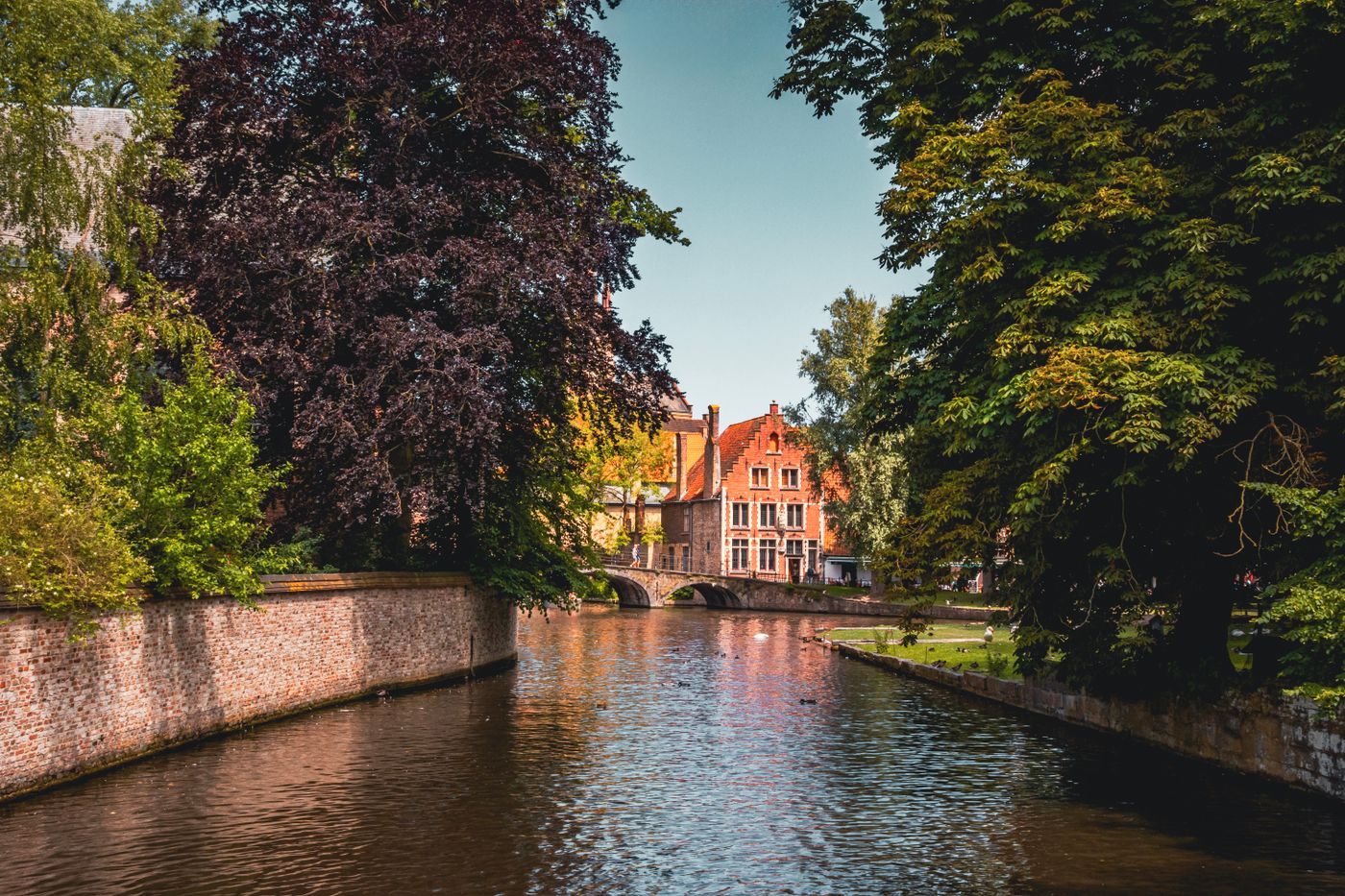
The is a long, narrow lake that was once a working lock and harbour basin, now a quiet green strip at the southern edge of the centre. Tall willows lean over the water, swans drift near the stone bridge, and the brick lock-keeper's house at the far end dates from the 16th century. In high summer the tree cover makes this one of the coolest spots in the city — locals walk their dogs here in the early morning, and by midday it is still calm enough to sit on the grass with a coffee.
This long, tree-lined lake sits just inside the old city ramparts and feels a world away from the busy Markt. The stone bridge at the northern end is the classic photo spot, but walk the full length of the water on the eastern path — the view back toward the lock house with the willows framing it is the one that actually captures how the place feels. On a Saturday morning in August the grass along the bank fills slowly with families and couples, but the far southern end stays quiet. Swans nest here year-round, and the water is clear enough near the edges to watch the carp drift.
The small brick building at the southern tip of the lake — the Sashuis — was built in 1519 to control the water level between the city canals and the outer moat. It is still intact, with its stepped gable and iron hoist, and most people walk straight past it toward the beguinage without a second glance.
A walled enclave of whitewashed 17th-century houses arranged around a central lawn planted with tall poplars — the beguinage was home to a lay religious community of women for centuries, and Benedictine nuns still live in part of it today. The contrast with the city outside is immediate: step through the gate and the noise drops away, replaced by birdsong and the crunch of gravel underfoot. The small beguinage church at the far end is worth a look — it is simple and quiet, with a wooden barrel-vault ceiling. The lawn in the centre is open to visitors; sitting on a bench here for ten minutes in the middle of a long walking day resets the whole pace.
Princely Beguinage Ten Wijngaar… · TicketsViator't Zand is the wide, modern-feeling square that balances the medieval Markt — less postcard-pretty but where the city actually runs its weekly rhythms. On a Saturday morning the fresh-food and flower market fills the paved centre with stalls of cheese, bread, seasonal fruit, cut blooms and potted herbs. The fountain in the middle is a contemporary sculpture of four figures, and around the edges are café terraces that catch the midday sun. This is where locals do the weekend shop, not where the tour groups congregate — the atmosphere is busy but functional, not staged.
Every Saturday morning the square fills with market stalls — fresh produce, flowers, cheese, bread, and a few hot-food stands. It is not a tourist market; it is where the neighbourhood shops for the weekend. The flower stalls at the northern end are especially good in August, with dahlias and sunflowers in season. Grab a warm waffle from one of the vans, or a paper cone of frites from the stand near the fountain, and eat it on the steps watching the square move. The market winds down by early afternoon, so arriving before 14:00 is key.
The fresh-food and flower market on 't Zand runs every Saturday morning, with stalls usually packed up by 14:00. The cheese and bread vendors sell out earliest — if you want a picnic lunch, buy it by 13:30.
Tucked down a narrow alley off Breidelstraat, De Garre is a medieval house that has been a tavern for centuries — low timber ceilings, steep stairs, and a beer list that leans heavily on Belgian tripels and strong ales, including their own house brew served in a branded ceramic goblet. The upstairs room has a small window overlooking the rooftops, and the whole place feels like a secret even though it is well-known. In the early afternoon it is quieter — a good moment to sit with a cheese plate and a glass of the house tripel before the afternoon walk north.
De Garre's own tripel is only served here, in a heavy ceramic goblet — it is strong (around 11%), so one is enough before an afternoon of walking. The cheese plate pairs well and is generous enough to share.
Sint-Anna is the residential quarter that tourists rarely reach — a patchwork of cobblestone lanes, low brick cottages from the 1600s, and small local chapels. The streets here are narrow and often empty, and the sound of the city centre fades to almost nothing. Along the eastern edge of the quarter, four historic windmills stand on the old rampart — two of them still working, their sails turning on a breezy day. The view from the rampart looks back over the red-tiled rooftops toward the Belfry, a perspective that feels earned after the walk up.
This quiet residential quarter in the northeast of the city is built around the Sint-Annakerk, a modest brick church, and stretches out toward the old city ramparts where four windmills still stand — two of them, the Sint-Janshuismolen and the Koeleweimolen, are still operational and open to visitors on certain days. The walk along the rampart path gives a raised view over the neighbourhood and back toward the centre. The streets themselves are the real draw: Jeruzalemstraat has a row of tiny almshouses with a hidden chapel, and the lanes around the windmills are lined with wildflowers in summer. It is a place to wander without a fixed route — every turn reveals another low brick cottage or a small garden behind a wall.
Sint-Gillis is the quieter, more bohemian sibling of the central canal quarters — the water here is lined with ivy-covered brick walls and small houseboats, and the streets behind it hold vintage shops, independent cafés and a handful of artists' studios. The canal stretch along the Langerei and Potterierei is especially calm in the late afternoon, when the light turns golden and the water flattens to glass. This is a neighbourhood people move to and stay in, not one they pass through — the pace is slower, and the terraces along the water fill with locals nursing a single beer for an hour.
On the first Saturday of August, the water's edge near the Vismarkt turns into an open-air building site — teams compete to construct the most elaborate fort from driftwood, sand, and whatever natural materials they can gather. The contest is informal and community-run; spectators are welcome to watch from the quayside, and the atmosphere is relaxed and playful. Entry is free, and the forts stay up for a few hours after judging, lit by the early evening sun. A low-key, local end to a day spent almost entirely outdoors.
Fort Building Contest at the wa… · TicketsGetYourGuideThe contest judging usually happens around 18:30 — the forts are creative and often surprisingly elaborate. Grab a spot on the stone quayside steps for the best view.
The walk from Sint-Gillis down to the Vismarkt crosses a tangle of small streets where the canal splits — having a little data to pull up the map and find the exact quay where the fort contest is happening saves a wrong turn and keeps you on the water the whole way. The route is prettier when you are not second-guessing the bends.
Get an eSIMAiralo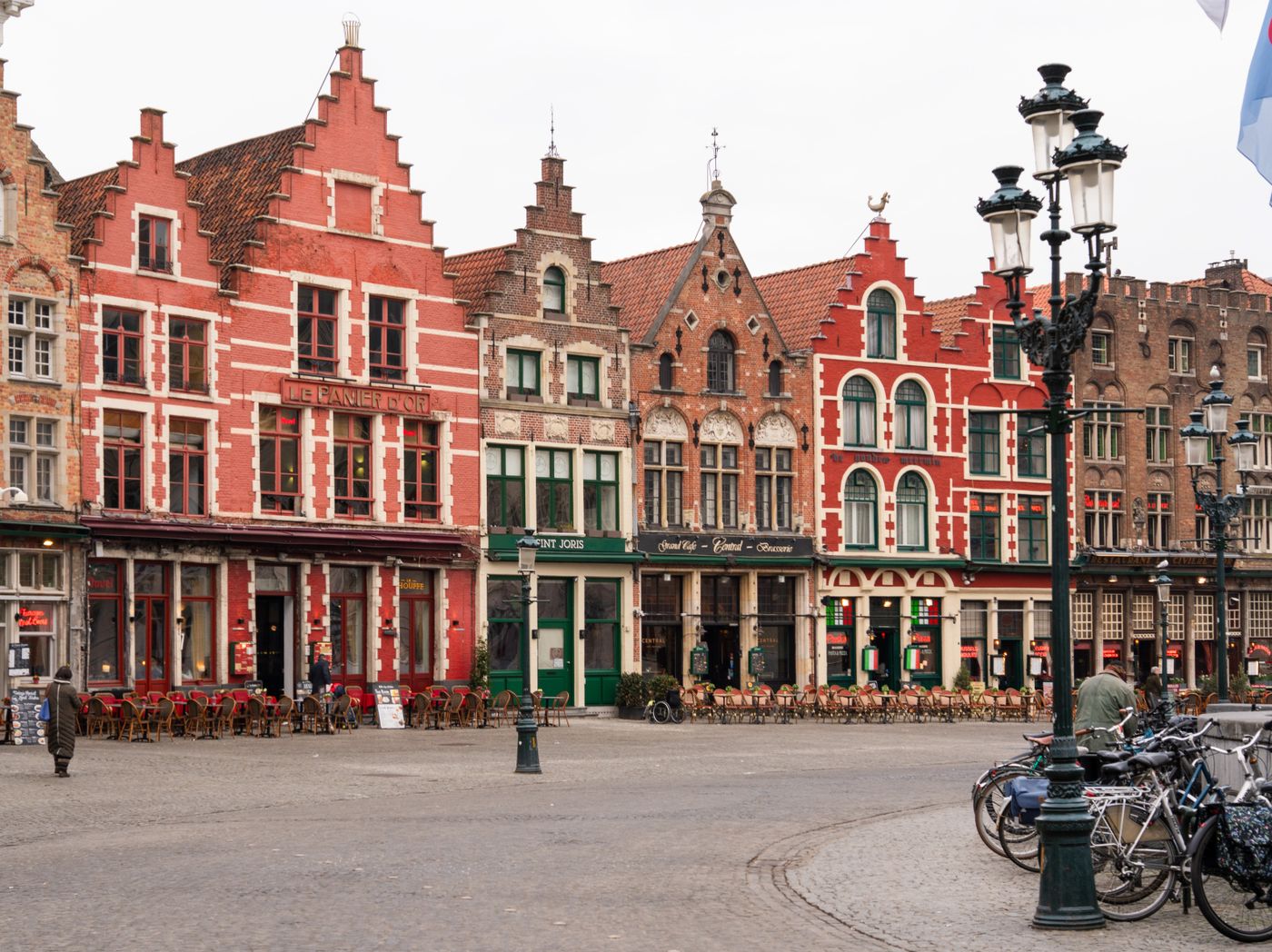 BRUSK, a carillon concert, and a photo walk through Sint-Anna and Sint-Gillis
 Windmills, parks and open-air music — a full day outdoors in Brugge
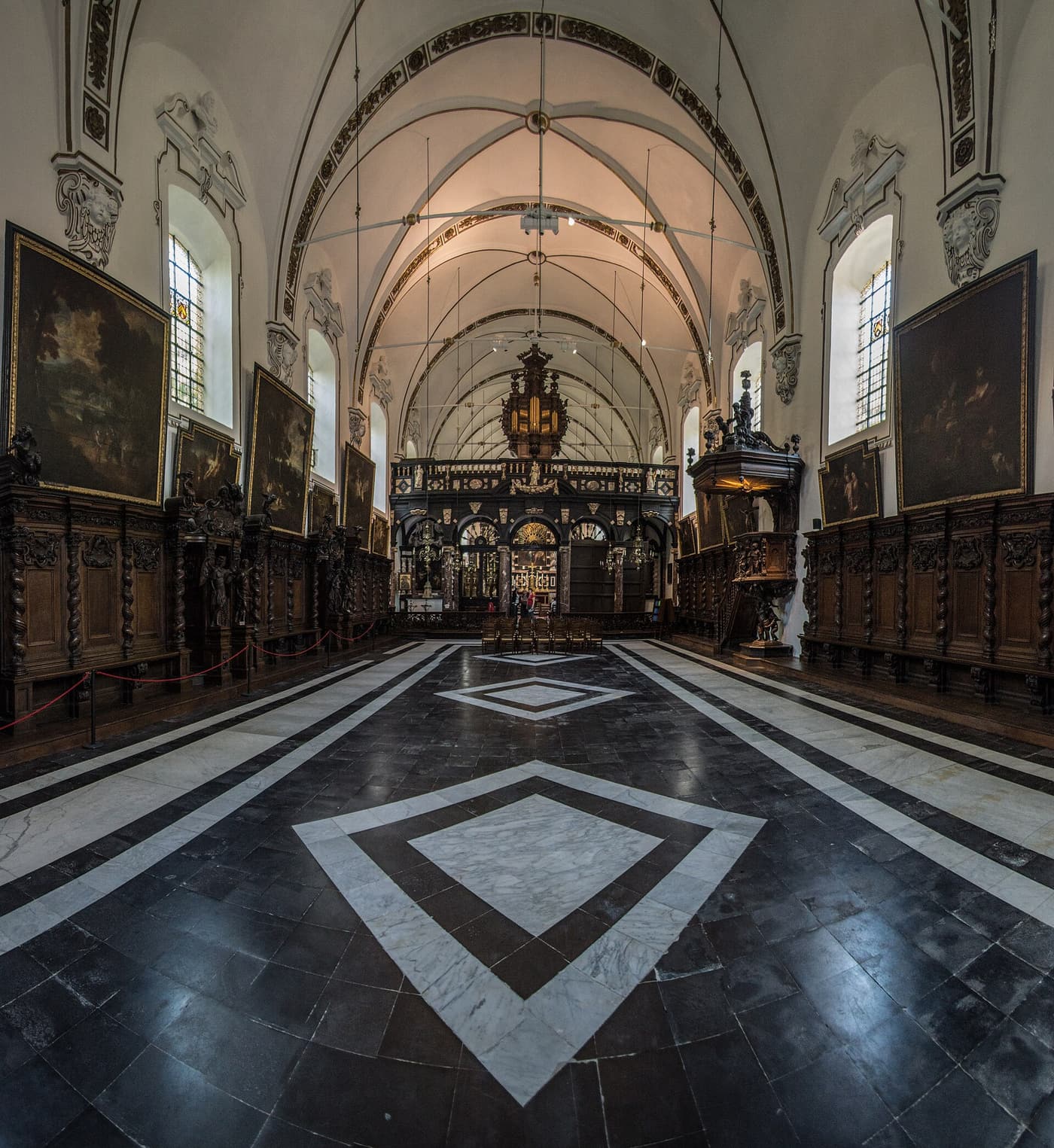 Morning photo workshop through the quiet eastern edges, then Jeruzalemkerk and a slow canal-side afternoonParks, beguinage quiet and a rampart walk, with a carillon concert and market along the way
 makes a personal plan in one tap. Tune it by mood, diet, time, budget, squad — and drop in your own places. Works in 65,000+ cities. It learns what you like, so every next plan fits better. Stop Searching. Start going.
Sources give mixed signals about this spot — we recommend confirming before visiting.
Tap outside to close
Tap outside to close
 squad
squad like
like