
📍 8 stops · ⏱ ~5.5 h

We spend a Saturday in Nørrebro tracing its independent music and queer-friendly spaces, starting at the underground venue Mayhem and ending among the quiet graves of Assistens Kirkegård. The day moves through vintage pop-ups, a street-art stretch, a solid coffee spot, and the bars that make this neighbourhood feel like its own small city.
Want your own personalized plan for free?
A small, fiercely independent concert venue and bar on Rantzausgade that has been a cornerstone of 's underground scene for years. The programming leans toward experimental, punk, and electronic acts, and the room itself has the kind of raw, no-frills energy that makes a midday visit feel like you have stumbled into a secret. Even when there is no soundcheck happening, the walls are plastered with old flyers and stickers that tell the story of the neighbourhood's DIY music culture.
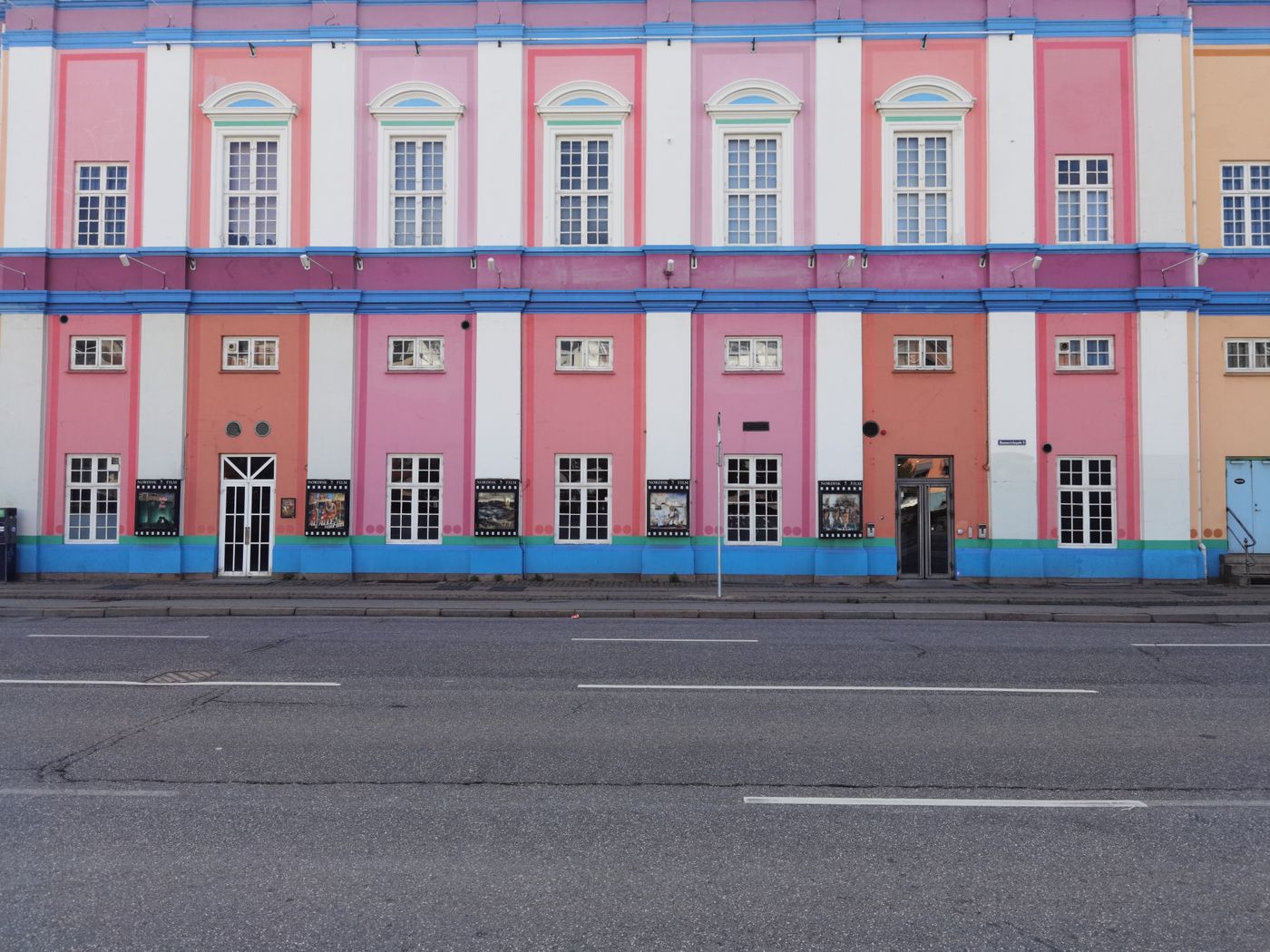
Mayhem is primarily a night venue, so the doors are not always open at ten in the morning. If you find it closed, the façade and the surrounding street art on Rantzausgade are worth the walk on their own — the building itself is a landmark of the scene. The real payoff is knowing where the late-night shows happen and looping back another evening.
A narrow, cobbled lane that runs between and , Jægersborggade packed itself with independent shops, galleries, and tiny food spots over the last decade. On a Saturday morning the street wakes up slowly: coffee windows slide open, vintage racks roll onto the pavement, and the whole stretch feels like a neighbourhood-run market rather than a commercial strip.
On Saturdays the street hosts informal pop-up stalls and open doors at its small vintage clothing and design shops. You can browse second-hand Danish mid-century ceramics, worn-in leather jackets, and oddball vinyl crates that spill out from the record stores. It is less a formal market and more a collective rhythm — each shop sets its own hours, and the best finds are usually out before noon.
A three-floor venue on Guldbergsgade that has been a Nørrebro institution since the late 1990s, hosting indie rock, hip hop, and electronic nights. By day the ground-floor bar is a relaxed spot to grab a drink and read the lineup posters for the coming weeks. The building itself is an old factory with high ceilings and exposed brick, and the weekday lunch crowd is a mix of locals on laptops and musicians passing through.
cuts straight through the district from the Lakes up to Nørrebro Station, and its walls carry some of the city's most visible street art. Large-scale murals by local and international artists cover entire gable ends, while smaller stencils and paste-ups appear on shutters and side streets. The stretch between Rust and the is particularly dense, with new pieces appearing every few months.
Walking south along from the cemetery end, you pass a rotating open-air gallery of murals and graffiti that reflect the district's multicultural and politically engaged character. Look up at the building corners — some of the largest pieces are commissioned by the city, while others appear overnight and stay until another artist paints over them. The stretch near is especially lively on a Saturday afternoon, with families, cyclists, and buskers filling the pavement.
Things to do nearby Copenhagen: Self-Guided Audio Walk Through Royal Canals and Culture
WeGoTrip
from €7
Copenhagen: Self-Guided Audio Walk Through Royal Canals and Culture
WeGoTrip
from €7
A small, no-fuss coffee bar on that takes its espresso seriously and keeps the counter service quick. The room is narrow, with a few stools along the window, and the regulars are a mix of students, artists, and people who live within a three-block radius. They pull a short, strong shot and the pastries come from a local bakery — it is the kind of place where a fifteen-minute pause turns into a quiet half-hour of watching the street go by.
and the streets branching off it hold a cluster of small, unmarked bars that have become the quiet backbone of Nørrebro's queer nightlife. These are not loud clubs with velvet ropes — they are dimly lit rooms with mismatched furniture, affordable drinks, and a crowd that reflects the neighbourhood's diversity. On a Saturday afternoon the doors are just opening, and the vibe is more living-room hangout than party, which makes it easy to strike up a conversation or simply sit and absorb the atmosphere.
A large, open square at the heart of Nørrebro that serves as the neighbourhood's communal living room. On a Saturday afternoon the benches are full, kids chase each other around the central fountain, and the surrounding buildings — a mix of old brick and newer social housing — frame the space with a distinctly unpolished charm. The square has a history of political rallies and community gatherings, and that energy still hums under the surface of its everyday use.
One of Copenhagen's most beautiful green spaces, Assistens Kirkegård is a working cemetery that doubles as a park where locals read, picnic, and stroll under old trees. and are buried here, but the real draw is the quiet — the long avenues of linden trees, the weathered headstones, and the way the city noise fades as soon as you step through the gate. Late afternoon light filters through the leaves and makes the whole place feel suspended in time.
The walk from to is only a few minutes, but 's side streets can twist unexpectedly. Having a little data on your phone lets you pull up the exact gate on the map and confirm the cemetery's closing time before you walk over — a small thing that keeps the afternoon easy.
Get an eSIMAiralo
 makes a personal plan in one tap. Tune it by mood, diet, time, budget, squad — and drop in your own places. Works in 65,000+ cities. It learns what you like, so every next plan fits better. Stop Searching. Start going.
Sources give mixed signals about this spot — we recommend confirming before visiting.
Tap outside to close
Tap outside to close
 squad
squad like
like