
📍 8 stops · ⏱ ~9 h

This day weaves through Nørrebro's independent spirit, starting with a morning jazz session in a raw industrial venue, then wandering into the neighborhood's queer-friendly bar scene, its historic graveyard, and its most creative shopping street, ending in a park that is a living gallery of public design.
Want your own personalized plan for free?
Housed in a former pumping station from the 1850s, Pumpehuset is a two-stage venue with an upstairs hall and a grungier downstairs space that has been a cornerstone of Copenhagen's alternative music scene for decades. For the Jazz Festival, it hosts 'Benni's Badekar,' a daytime concert series that draws a relaxed, music-loving crowd into its industrial courtyard—a perfect entry point into Nørrebro's creative energy.
Pumpehuset · Book onlineticketswap.com Things to do nearby Copenhagen: Self-Guided Audio Walk Through Royal Canals and Culture
WeGoTrip
from €7
Copenhagen: Self-Guided Audio Walk Through Royal Canals and Culture
WeGoTrip
from €7
The Copenhagen Jazz Festival sprawls across the city, but the daytime shows at smaller venues like Pumpehuset are where you catch the real local energy—less formal, cheaper, and often with the band hanging out in the courtyard afterwards. Check the festival's app on the day for any surprise pop-up sets nearby.
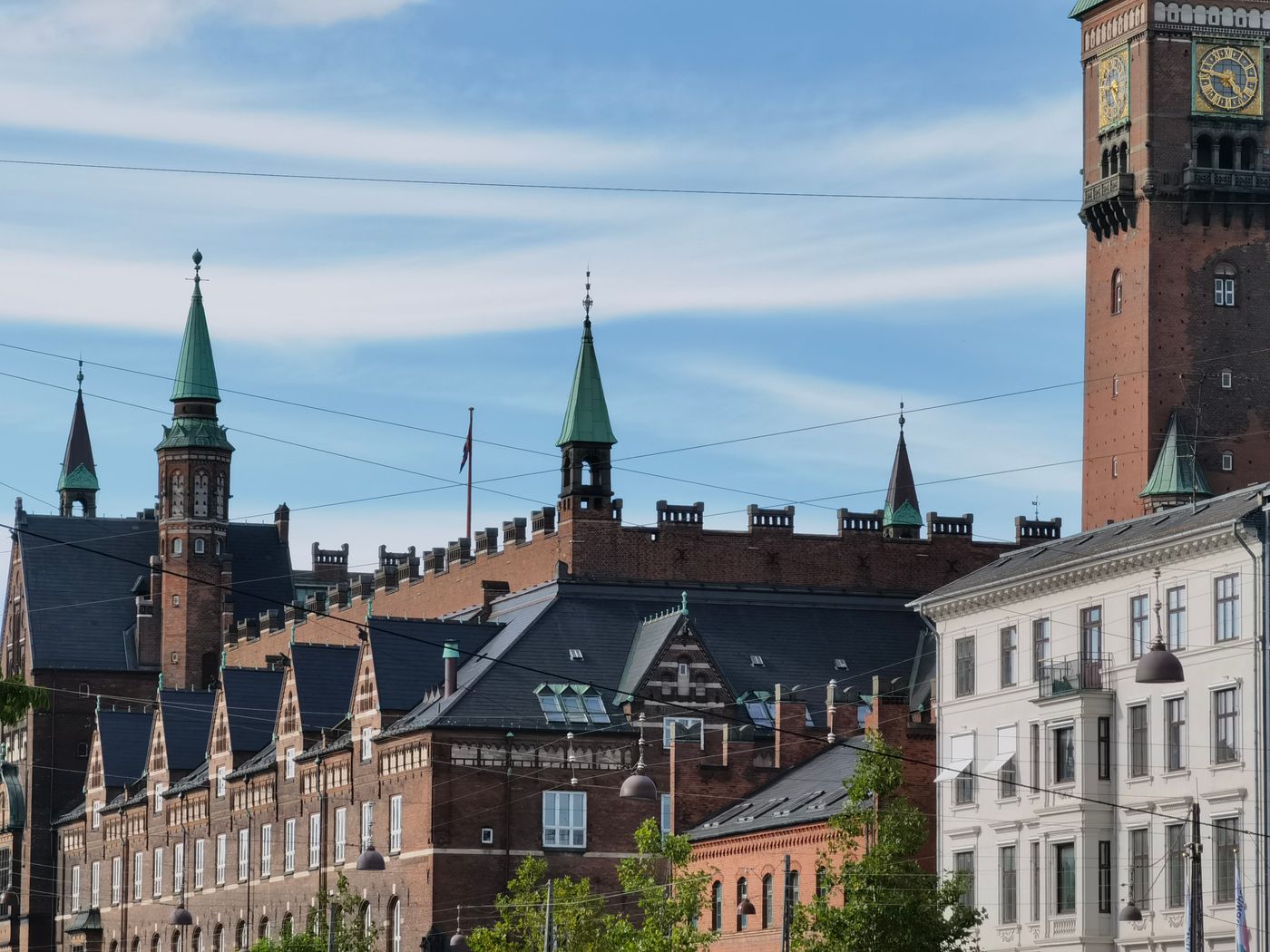
Crossing is a definitive Copenhagen experience. The bridge over the Peblinge Sø lakes marks the transition into , and on a summer Saturday, its wide sidewalks are thick with cyclists, families with strollers, and groups of friends heading into the neighborhood. The view back toward the city spires is the last of the old-town skyline before the district's own character takes over.
Tucked into a basement on Rantzausgade, Mayhem is a fiercely independent venue and bar that has long been a safe space for Copenhagen's queer and alternative crowds. By day, it's a low-key spot for a beer in the courtyard; by night, it transforms into a sweaty, intimate concert room. Its walls are plastered with flyers for underground shows, zine launches, and community fundraisers, making it a bulletin board for 's DIY heart.
Blågårdsgade is the social spine of this part of , a narrow street lined with independent bars, tiny ethnic eateries, and second-hand shops. The crowd here is a genuine cross-section of the district: young creatives, longtime immigrant families, and students from the nearby college. The queer-friendly bars along this stretch, like those on the adjacent Guldbergsgade, spill onto the sidewalk in summer, creating an easy, unpretentious street-party atmosphere.
A small, serious coffee bar on Griffenfeldsgade, Kaffedepartementet is where 's freelancers and artists go for a meticulously pulled espresso. The space is tiny, with just a few stools along the window, so most people take their drinks to go—perfect for the next leg of the walk. The beans are from some of Europe's best micro-roasters, and the baristas are happy to talk your ear off about the day's single-origin offering.
is one of the city's most beautiful green spaces, doubling as the final resting place of and . But locals treat it as a park: on a sunny day, the lawns between the gravestones are filled with sunbathers, picnickers, and people reading. The old trees and winding paths make it easy to forget you are in the middle of the city.
Wandering the cemetery's paths is a quiet counterpoint to the morning's music. The oldest section, near the main entrance on Nørrebrogade, has the grand 19th-century tombs; deeper in, the graves become simpler and the atmosphere more secluded. Look for Kierkegaard's modest family plot—it's under a large tree and often has a few handwritten notes left by visitors.
A pioneer of the Danish craft beer revival, has been brewing on-site since 2003. The large, airy space with communal tables attracts a mixed crowd of beer nerds and families from the surrounding streets. Their seasonal small-batch brews are the reason to come—ask what's just been tapped from the experimental tank. The food menu leans toward hearty, beer-friendly Danish classics.
Once a rough street known for heroin deals, Jægersborggade has reinvented itself over the past two decades into a vibrant strip of independent shops, galleries, and tiny food spots. Each storefront is only a few meters wide, creating a dense, walkable block of creativity: a ceramics studio next to a natural wine bar, a vinyl shop beside a plant-based ice cream counter.
Spend an hour drifting in and out of the shops here. The vintage pop-ups that occasionally appear are a treasure hunt, but the permanent fixtures are just as good: a small gallery selling local printmakers' work, a shop dedicated to Danish design objects, and a chocolatier making everything by hand in the back. The street's resurgence is a testament to Nørrebro's ability to reinvent itself from the ground up, one tiny lease at a time.
Designed by the art collective with BIG Architects, is a public park that feels like a global design exhibition dropped into a residential neighborhood. The Red Square section is a vivid, almost surreal space with bright pink and orange surfaces, a Moroccan fountain, and a boxing ring. It is a genuine community hub where kids from the surrounding apartment blocks play and teenagers hang out until late. The park's objects—benches from Brazil, a neon sign from Russia—were chosen with input from the area's diverse immigrant communities, making it a portrait of the neighborhood in physical form.
's warren of side streets is half the charm, but it is also easy to miss a tucked-away courtyard or the quickest cut-through to the next stop. Having a little data quietly running in the background lets you pull up the map to find that one ceramics studio someone mentioned, or double-check when the next free jazz set starts at a bar you just passed.
Get an eSIMAiralo
 makes a personal plan in one tap. Tune it by mood, diet, time, budget, squad — and drop in your own places. Works in 65,000+ cities. It learns what you like, so every next plan fits better. Stop Searching. Start going.
Sources give mixed signals about this spot — we recommend confirming before visiting.
Tap outside to close
Tap outside to close
 squad
squad like
like