
📍 7 stops · ⏱ ~9.5 h

A day built for rain, spent almost entirely under cover, moving through Innsbruck's most layered indoor spaces — the Habsburg palace, a folk-art museum full of carved masks and panelled rooms, a church with a towering empty tomb, a vaulted cellar for lunch, and an evening in a cultural backstube where the city's creative crowd gathers. We stay in the compact Altstadt, so the walks between stops are short, and every destination rewards a slow, dry afternoon of looking closely.
Want your own personalized plan for free?
The former Habsburg imperial palace, rebuilt by in the 18th century, is a vast Baroque complex right on the edge of the Altstadt. Inside, the is the headline — a ballroom with ceiling frescoes by that pull the eye up into a swirl of allegorical figures, and walls lined with portraits of Maria Theresa's sprawling family. The state apartments show a quieter side: painted silk wall coverings, a chapel with gilded stucco, and furniture that still carries the weight of Habsburg ceremony. On a wet morning, the palace swallows you for a solid two hours, and the audio guide fills in the dynastic drama without needing to rush.
Hofburg Innsbruck · TicketsTiqets Things to do nearby Innsbruck: Historical Tales, Photo Spots & Desserts Audio tour
WeGoTrip
from €27
Innsbruck: Historical Tales, Photo Spots & Desserts Audio tour
WeGoTrip
from €27
Enter through the Rennweg side — the main courtyard is a calm, enclosed space even in drizzle, and the ticket desk is just inside to the left. Mornings tend to be quieter here than the Altstadt landmarks; the tour groups usually arrive after lunch.
A stone-vaulted restaurant under the arcades facing the , the Stiftskeller has been serving food for decades in a room that feels like a monastery cellar — heavy wooden tables, low arches, and a warmth that makes a rainy lunch feel deliberate rather than compromised. The kitchen turns out solid Austrian classics: think Tiroler Gröstl or a clear beef soup with pancake strips, done without fuss. It fills with a local lunch crowd by 12:30, so arriving just after noon puts you ahead of the rush and gives you a table near the window where you can watch the square through the arches.
Stiftskeller Innsbruck · TicketsTiqetsThe Tyrolean Folk Art Museum is one of those places that catches visitors off guard — it is far stranger and more absorbing than the name suggests. The collection is built around the everyday and ritual objects of Alpine life: entire wood-panelled parlours lifted from farmhouses and reassembled room by room, hand-carved masks with twisted faces and real animal horns, painted furniture, and a remarkable assembly of nativity scenes from across the region. The museum was substantially reworked in 2009 and now uses a figure of Lucifer — the 'light-bearer' — as a narrative thread through the displays, which gives the whole place a slightly mischievous, theatrical atmosphere. It is directly connected to the Hofkirche, so you can move between the two without stepping outside.
Tiroler Volkskunstmuseum · Book onlineGetYourGuideLook for the figure near the start of the exhibition — he is the museum's self-appointed guide, and the curators use him to frame the whole collection as a journey through folk belief. It is a clever bit of museum design that turns what could be a dry ethnographic display into something with real personality.
The Court Church is built around one of the strangest monuments in Europe: a colossal black marble tomb, surrounded by 28 larger-than-life bronze statues of mourners and ancestors, that contains no body. Emperor commissioned it as his memorial, but he died in Wels and was buried there — the cenotaph in Innsbruck has stood empty since the 16th century. The bronze figures, known as the 'Schwarze Mander' or Black Men, include King Arthur and Theodoric the Great among Maximilian's real and legendary kin, and the detail in their armour and faces rewards close study. The church itself is a Gothic hall with a quiet, solemn atmosphere that makes the whole space feel like a stage set for an absent king.
The Innsbruck outpost of the Viennese institution sits on Rennweg with a view back toward the Hofburg, and its interior is all red velvet, chandeliers, and polished wood — a deliberate throwback to the coffee-house culture of the empire. The here is the same recipe as the one in Vienna: a dense chocolate cake with a thin layer of apricot jam under a dark glaze, served with unsweetened whipped cream. On a rainy afternoon, the window seats are the best spot — you can watch the street life through the glass while the room hums with the quiet clink of porcelain and low conversation. The service is formal but unhurried, so settle in and treat it as a proper pause rather than a quick stop.
This pedestrian street is the historic backbone of Innsbruck, running from the at its centre down toward the Inn river. The buildings are a mix of Gothic, Renaissance, and Baroque facades, many with oriel windows and painted decoration that has survived centuries. Even in rain, the narrow lane feels sheltered — the overhanging eaves and arcades keep much of the street dry, and the reflections of the coloured facades on the wet cobblestones give the whole scene a painterly quality.
The 14th-century city tower rises directly above Herzog-Friedrich-Strasse, and its 148 steps lead to a viewing platform that gives a 360-degree panorama of the Altstadt rooftops, the Inn river, and the Nordkette mountains beyond. On a wet day, the climb is entirely indoors until you reach the top, where a covered walkway circles the tower — so you can take in the view without getting soaked. The perspective from up here makes sense of the city's geography: you see how tightly the old town clusters around the river, and how abruptly the mountains rise from the valley floor. The tower also houses a small exhibition on its history as a watchtower and prison.
Stadtturm · TicketsGetYourGuideBefore climbing the tower, spend half an hour wandering the lanes that branch off Herzog-Friedrich-Strasse — Hofgasse, Riesengasse, and Pfarrgasse are all within a minute's walk and each has its own character. Hofgasse runs past the and the old town hall, while Riesengasse is narrower and quieter, with a few independent shops and a bakery that fills the street with the smell of fresh bread. The whole area is compact enough that you can criss-cross it without losing your bearings, and the arcades mean you can stay largely dry even while exploring.
The side streets around the Altstadt are a web of tiny passages that are easy to lose yourself in — having a data connection means you can pull up the map on the fly and find your way back to the main street without breaking stride. It also lets you check the Stadtturm's opening hours before you climb, since they shift slightly by season.
Get an eSIMAiraloThe stretch of the Inn west of the Altstadt is lined with pastel-coloured houses that face the water, their reflections broken by the current. The Mariahilf district on the north bank is one of the city's older residential quarters, with steep lanes, small courtyards, and a noticeably slower pace than the tourist centre. The bridge itself is a good spot to pause — looking back, you see the old town's towers and domes stacked against the mountains, a view that works just as well under grey skies as it does in sunshine.
is part cultural centre, part bar, housed in a former bakery in Mariahilf — the kind of place where the furniture is mismatched, the walls are covered in posters for upcoming events, and the crowd is a mix of students, artists, and locals who come for the relaxed, unpretentious atmosphere. The programme ranges from concerts and readings to workshops and open-mic nights, and even on an evening with no scheduled event, the bar area is a good place to settle in with a drink and let the day wind down. The space retains the feel of its baking past — high ceilings, white-tiled walls, and a warmth that makes a rainy evening feel like the right time to be indoors with a glass of something local.
's programme changes weekly — check their website or the posters by the door when you arrive. If there is a concert or reading, the ticket is usually available at the door, and the small room means you are never more than a few metres from the stage. Even on a quiet night, the bar stays open and the atmosphere is convivial.
After a full day of walking, the last thing you want is to drag a heavy bag up the steep lanes of Mariahilf and into a cosy cultural space. There are luggage storage points around the city centre where you can drop your things for a few hours — it means you arrive at with your hands free and your shoulders relaxed, ready to settle in properly.
Store your bagsRadical Storage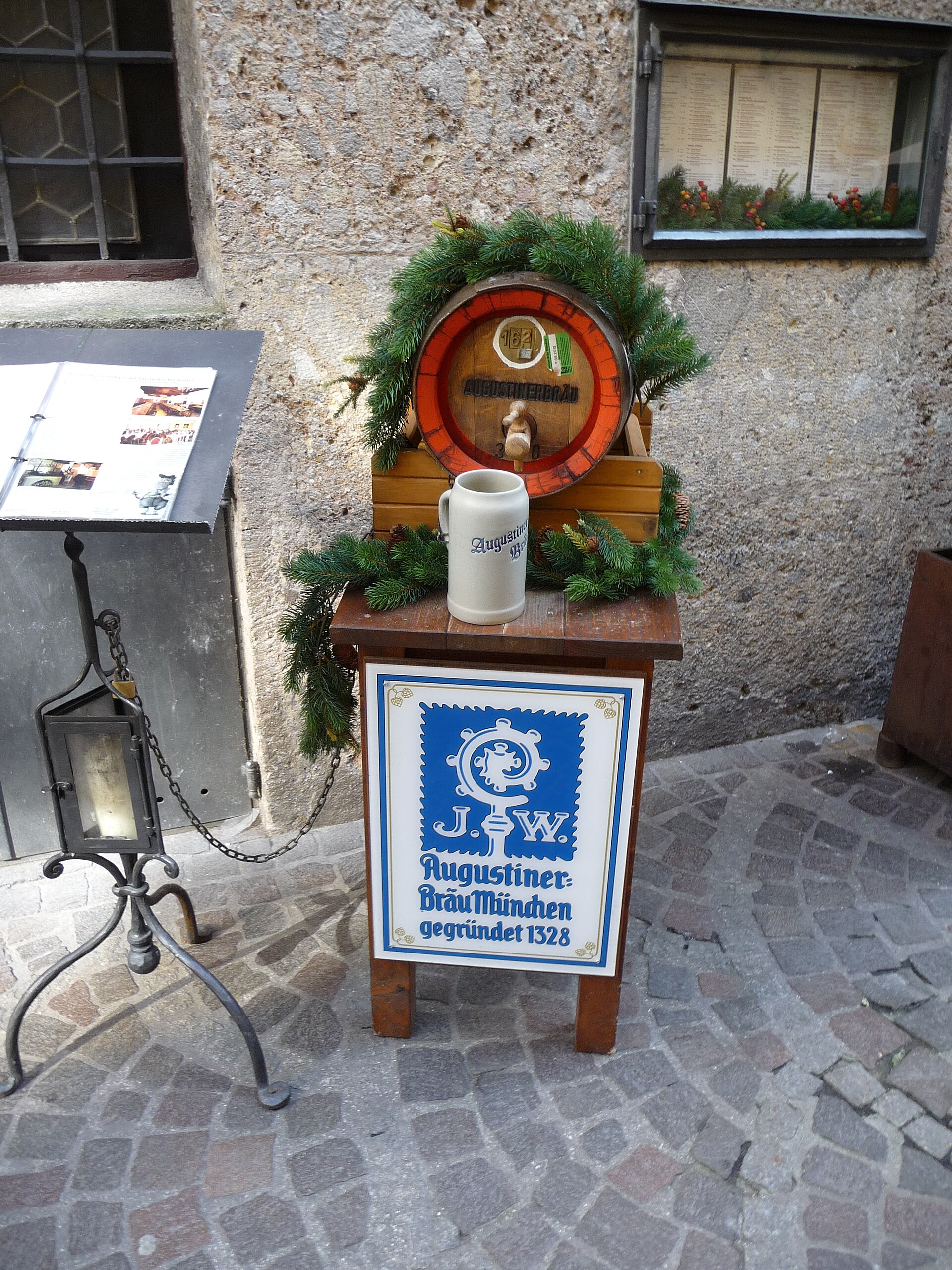 A food walk from morning flat whites to evening spritzes in Innsbruck
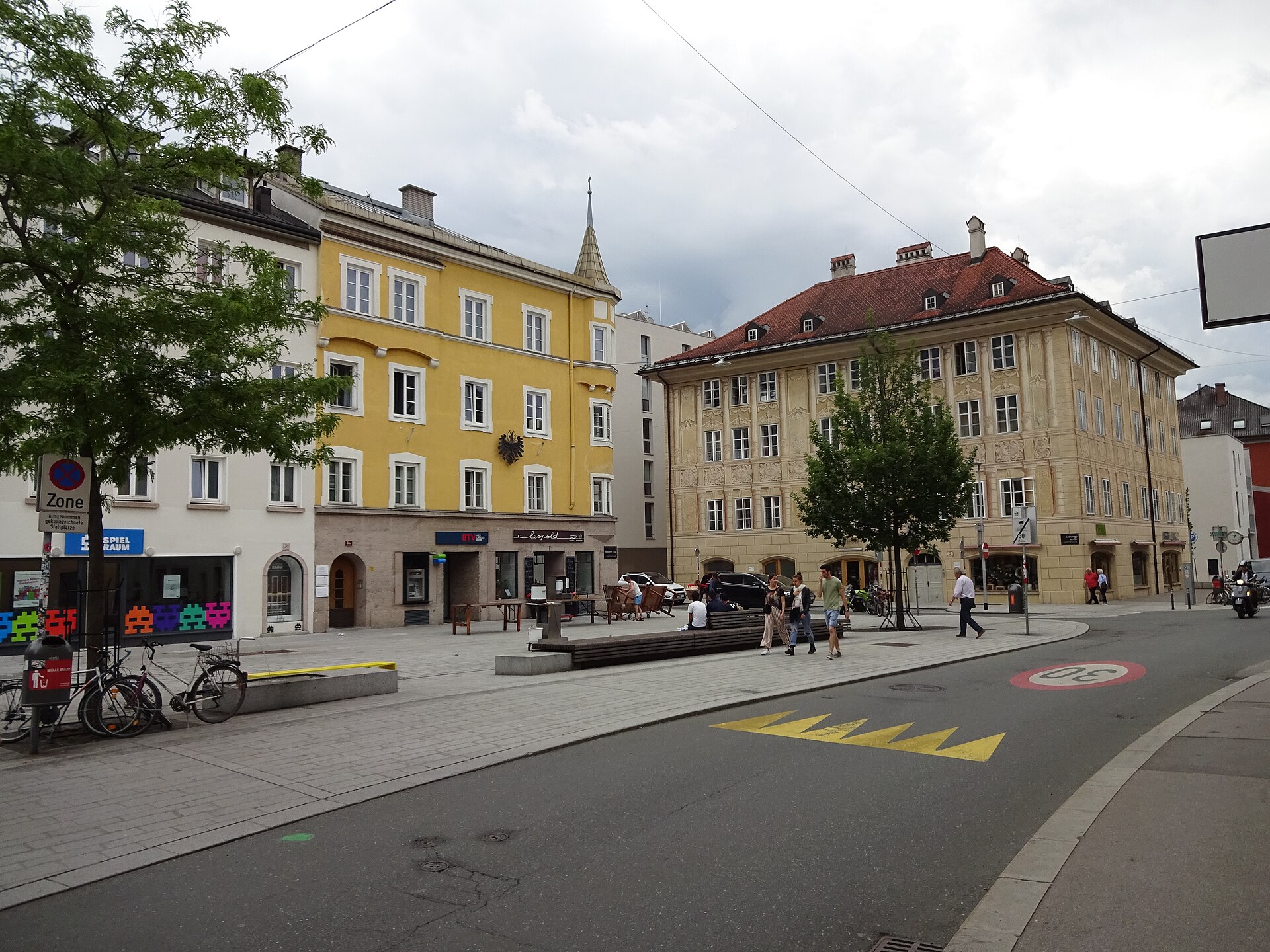 Museum morning at the Ferdinandeum, a gallery crawl through Wilten, and an evening on Wiltener Platzl
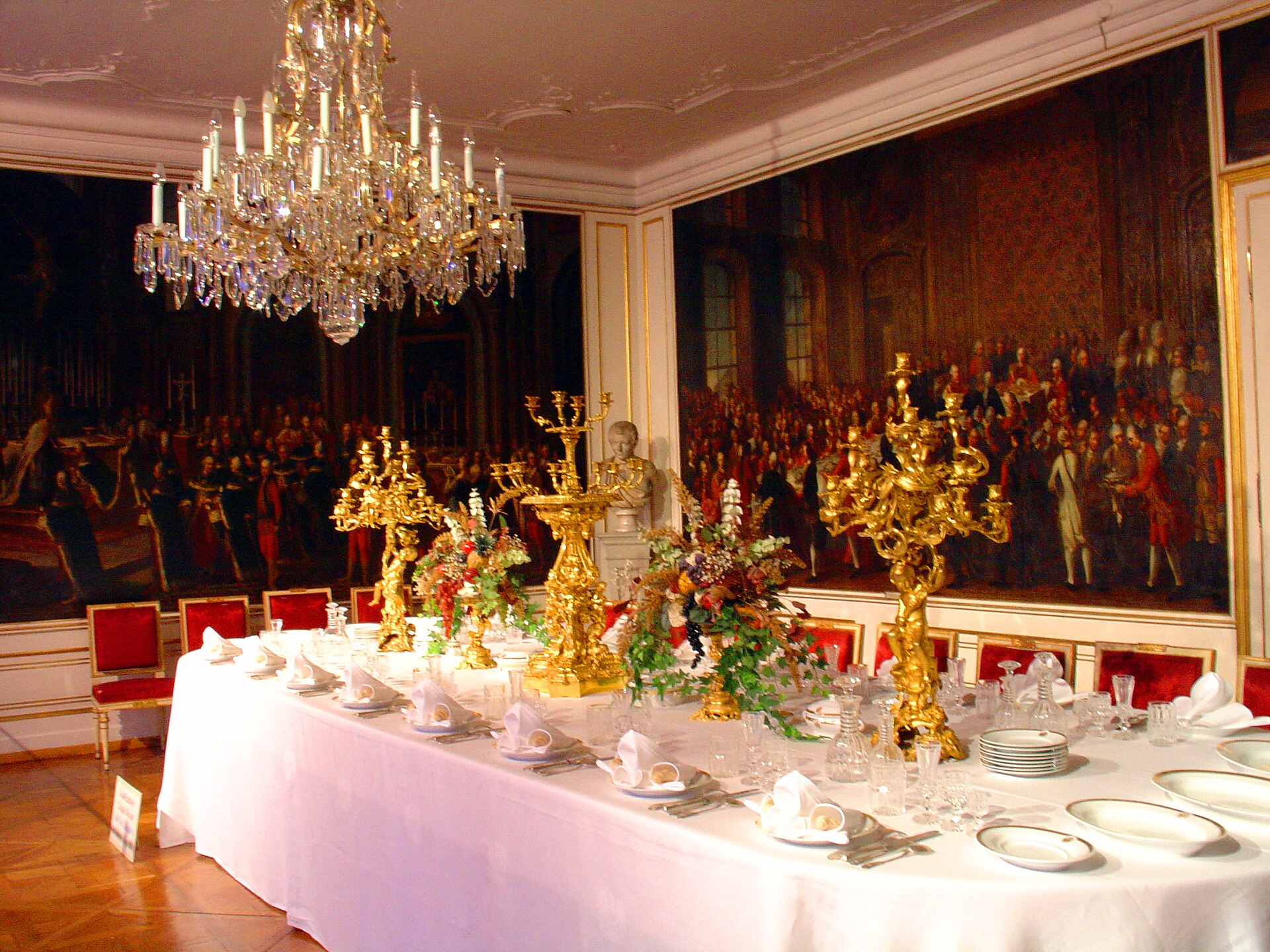 Imperial halls and quiet corners: a rainy-day walk through Innsbruck's historic core
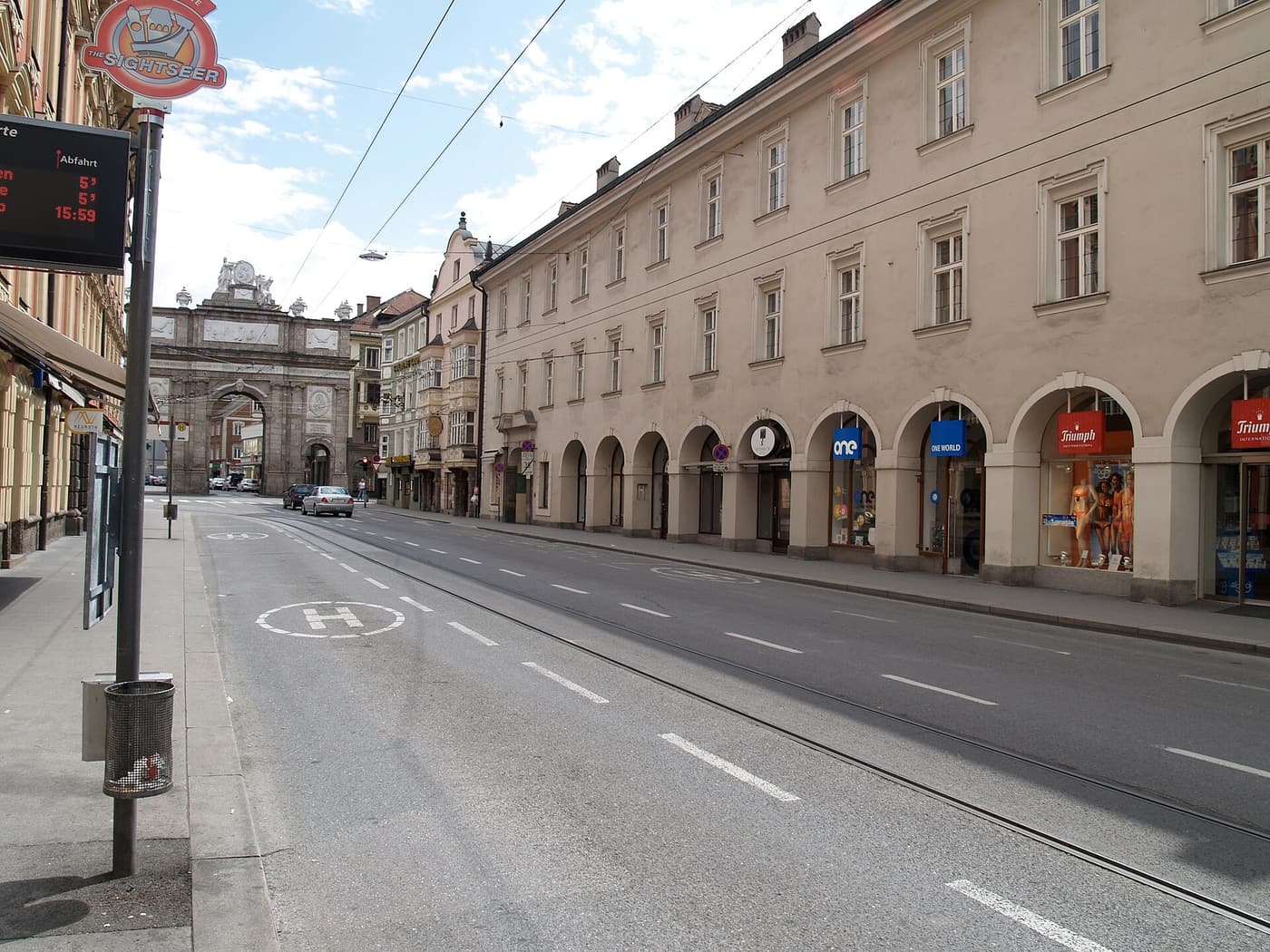 A day built around Innsbruck's food scene, from breakfast to dinner
 makes a personal plan in one tap. Tune it by mood, diet, time, budget, squad — and drop in your own places. Works in 65,000+ cities. It learns what you like, so every next plan fits better. Stop Searching. Start going.
Sources give mixed signals about this spot — we recommend confirming before visiting.
Tap outside to close
Tap outside to close
 squad
squad like
like