
📍 8 stops · ⏱ ~11 h

We trace Liège's story from its powerful Prince-Bishops to its industrial golden age, then cross the Meuse to the art and parkland of the Boverie. It's a full day on foot through the historic heart and along the river, mixing grand museums, a famous staircase, and a long Sunday market.
Want your own personalized plan for free?
The is housed in a magnificent 17th-century mansion on the Meuse, its red-brick facade a landmark in itself. Inside, the collections span archaeology, decorative arts, and weaponry, telling the story of the Prince-Bishops who shaped the city. The building alone is worth the visit — a former palace that feels like a journey through Liège's most powerful centuries.
After the main galleries, find the inner courtyard — a quiet, cobbled space with a well and old stone walls. It's easy to miss, but it's the best spot in the building to sit for ten minutes and feel the age of the place.
The is large — booking a timed entry online saves a queue, especially on a Saturday.
We leave the river and cut through , a street lined with old stone facades and small shops. The ground starts to rise here, and the city's medieval street plan reveals itself — narrow, winding, and built on a slope that demands a climb.
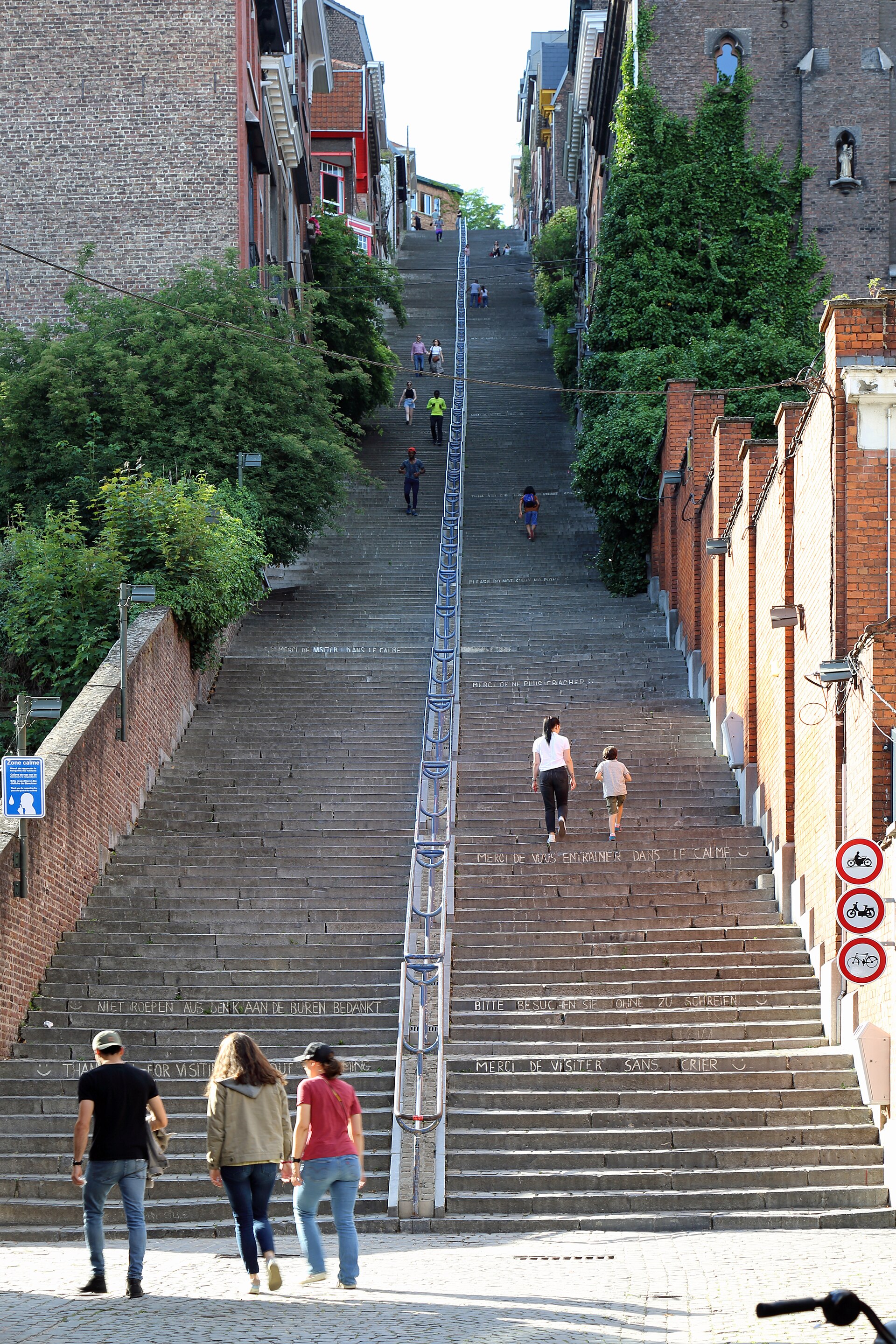
The 374 steps of the staircase cut straight up the hillside, a dramatic urban climb that rewards with a sweeping view over the rooftops and the Meuse. Built in 1881 to give soldiers a direct route to the citadel, it now serves as the city's most iconic lookout — and a proper workout.
Locals treat the Montagne as a daily fitness ritual — you'll see runners doing repeats. Take it at a walking pace, stop halfway on the landings, and turn around: the view gets better with every flight.
A casual spot for Belgian tapas and local beers, Fondamental sits in the city centre and draws a relaxed weekend crowd. The cork dumplings and cheese croquettes are the things to order — small plates that let you taste a few things without committing to a heavy meal. It's the kind of place where the atmosphere does half the work.
Order a few plates for the table — the menu is built for sharing, and it's the best way to try the house specialities.
The quay opens up and the river stretches wide, lined with plane trees and the long row of market stalls. La Batte is Belgium's oldest and largest market, and on a Sunday morning the entire embankment hums with vendors selling everything from antiques to fresh produce.
Stretching for nearly a kilometre along the Meuse, La Batte has been a market since the 16th century. On Sundays it draws a huge local crowd — the first half is mostly food and flowers, the second half turns into a flea market with old books, vinyl, and bric-a-brac. Even without buying anything, the walk along the stalls is a slice of Liège life.
The upstream end of La Batte, past the food stalls, is where the flea market kicks in — that's where locals go for second-hand finds. It's less polished than the produce section and more fun to browse.
The Palace of the Prince-Bishops is the architectural centrepiece of Liège's old town, its grand Gothic courtyard and Renaissance facade telling the story of a city ruled for centuries by powerful prince-bishops. The courtyard is open to wander through, and the scale of the building — especially the main facade facing — makes clear just how much wealth and authority the Prince-Bishops once held.
Palace of the Prince Bishops · Book onlineGetYourGuideA classic rock festival bringing together acts like Demon, FM, and Black 'n Blue for an afternoon of big riffs and bigger choruses. The atmosphere is lively and unpretentious — a proper summer rock show. Tickets are required and should be booked in advance through the festival's official site.
Golden Age Rock Festival 2026 · Event pagesongkick.comThis is a ticketed festival — buy in advance online, as the lineup draws a big crowd and door sales aren't guaranteed.
The Pont des Arches is the oldest bridge in Liège, rebuilt many times since the Middle Ages. Walking across it gives a wide view of the Meuse and the city's skyline — the cathedral spire on one side, the green of the Boverie on the other.
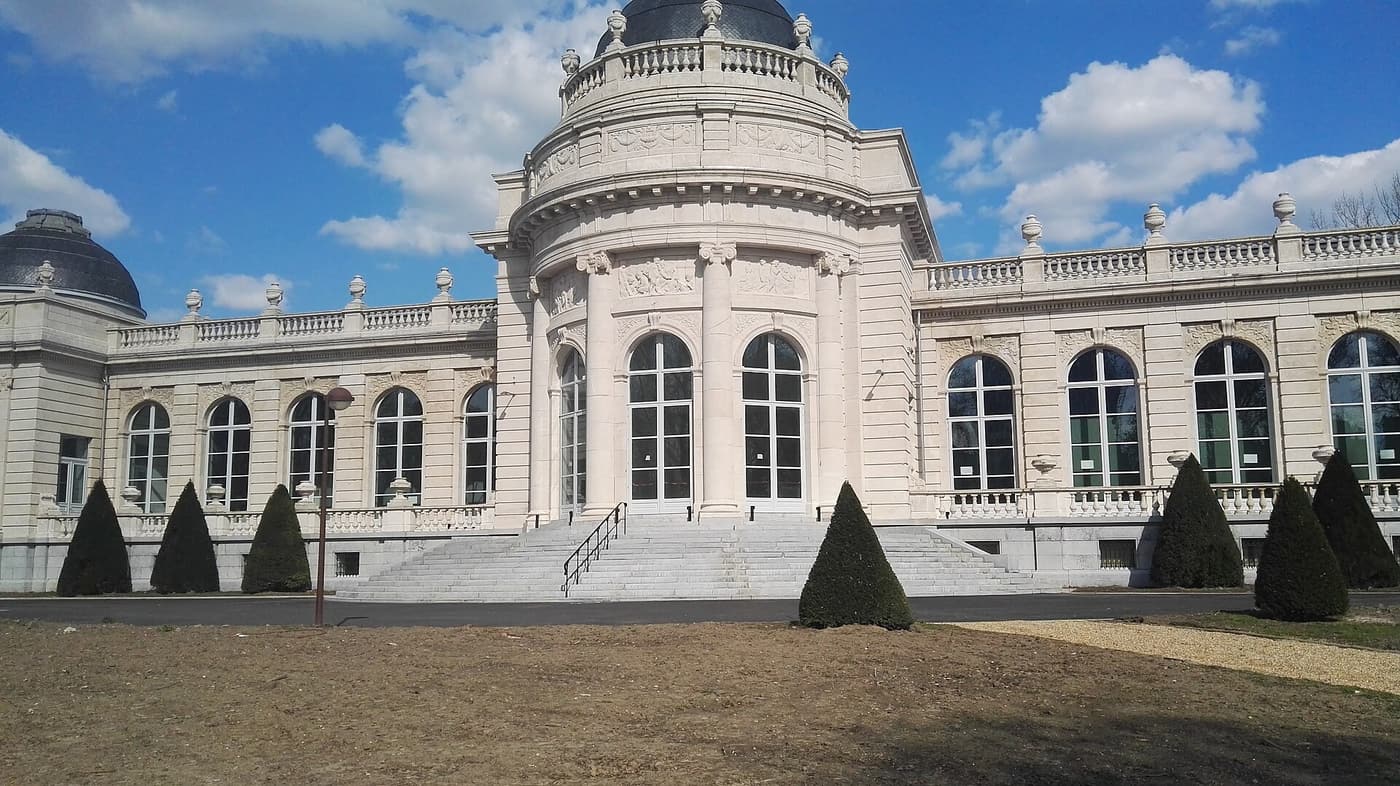
Housed in a beautiful 1905 World's Fair building on an island in the Meuse, the Boverie Museum holds the city's fine arts collection, with a strong focus on Walloon painting from the 19th and early 20th centuries. The temporary exhibitions are often ambitious, and the setting — surrounded by water and parkland — makes the museum feel like a destination in itself.
The permanent collection is strong, but the temporary shows here often draw international attention — it's worth checking what's on before you go.
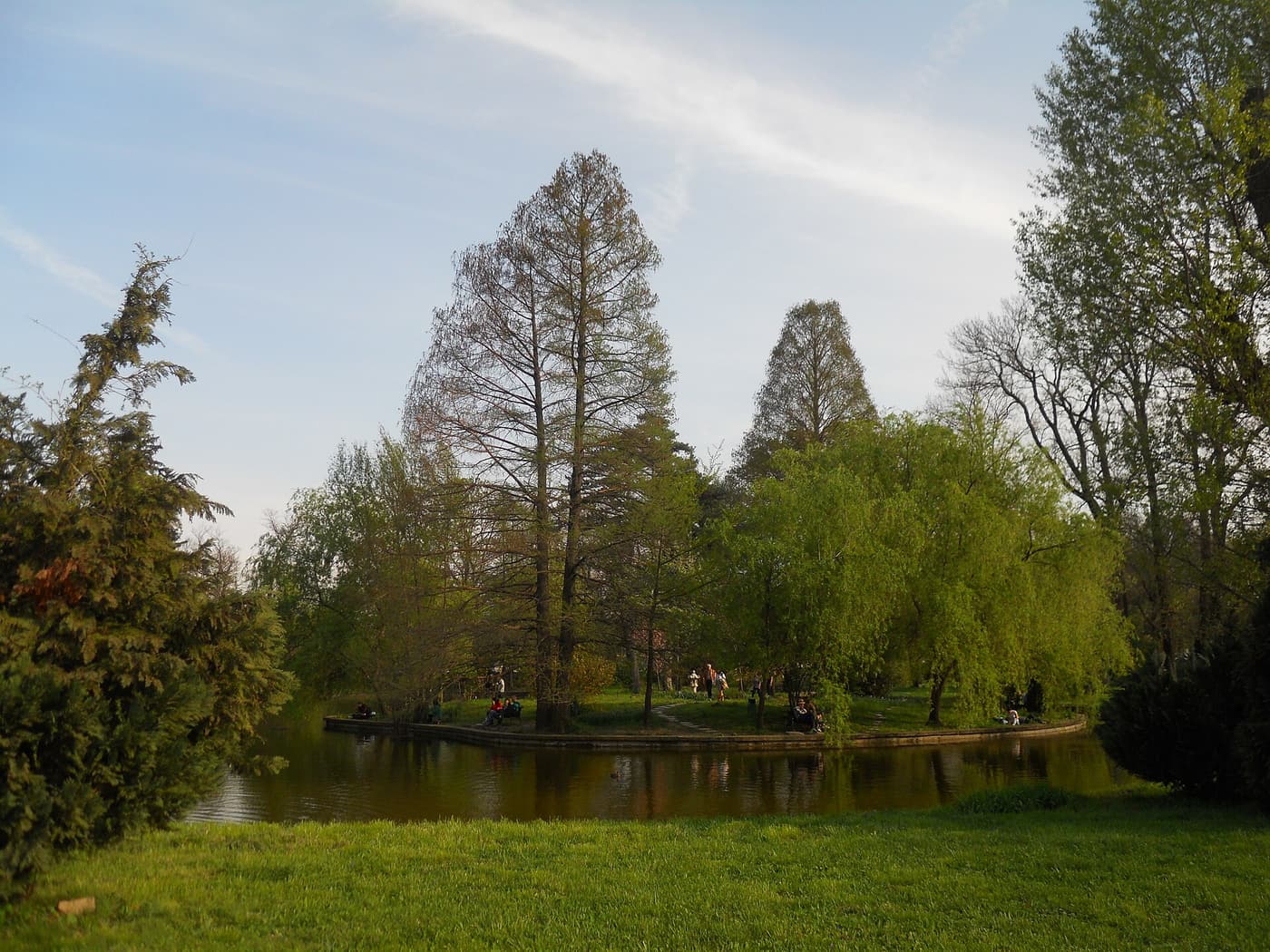
The Boverie park wraps around the museum on its own island, with wide lawns, mature trees, and paths along the water. In the evening, the light softens and the Cybernetic Tower — a 52-metre steel sculpture — catches the last sun. It's the natural place to end the day: a quiet walk, a bench by the Meuse, and the city's lights starting to reflect on the water.
The Tour Cybernétique, the tall steel sculpture in the park, looks its strangest and most beautiful as the light fades — the metal catches the last colours of the sky. Walk up close to it; the scale is more impressive than it looks from a distance.
 A Liège Food Day: La Boverie to Guillemins, Markets, Waffles and Jazz
 Liège food crawl: from a Gothic church to a beer shop via waffles, market stalls, and a brewery
 Liège in a day: fine art, Calatrava's station, waffles and the Bueren steps
 Liège's Essential Character: From Curtius to Boverie, a Day of Art, Views, and the Meuse
 makes a personal plan in one tap. Tune it by mood, diet, time, budget, squad — and drop in your own places. Works in 65,000+ cities. It learns what you like, so every next plan fits better. Stop Searching. Start going.
Sources give mixed signals about this spot — we recommend confirming before visiting.
Tap outside to close
Tap outside to close
 squad
squad like
like