
📍 8 stops · ⏱ ~6.5 h

This day walks Bariloche's most essential arc — from the stone-and-timber halls of the Civic Center down to the shores of Lake Nahuel Huapi, moving through museums, a neo-Gothic cathedral, and the city's quiet lakeside port. It's built for someone arriving fresh who wants to understand the place: its Patagonian natural history, its Swiss-German architectural imprint, and the way the lake shapes everything here. The route stays compact and walkable, weaving in a coffee pause at a local nautical-themed café and closing with the water at your feet.
Want your own personalized plan for free?
The is Bariloche's architectural postcard — a U-shaped ensemble of stone, exposed timber, and steep gabled roofs that lands somewhere between an Alpine lodge and a North American national-park visitors' centre. It was built in the 1940s as part of a deliberate effort to craft a civic identity for a young frontier town, and the whole complex opens onto a sloping lawn that faces the lake. On any morning the light here is sharp and the air smells of pine and cold water — a proper Patagonian welcome. The Museum of Patagonia occupies one wing of this complex, so the day begins inside the building that defines the city's visual character before we've even seen the exhibits.
Housed inside the 's east wing, this museum is the best single primer on the region you're standing in. Its exhibits move from geology and fossils through pre-Columbian cultures — the and Tehuelche peoples — and into the natural-science collections that , the museum's namesake, assembled during his expeditions across Patagonia in the late 19th century. The ethnographic room, with its woven textiles, silverwork, and hunting tools, gives a material sense of life on this land long before the ski shops and chocolate stores arrived. Give the stuffed condor in the natural-history hall a moment — its wingspan fills the room and it's been here since the museum opened.
Most visitors enter through the main doors facing the plaza, but the side entrance on the eastern corridor is usually empty and puts you straight into the natural-science wing — the fossils and the giant ground-sloth skeleton — which sets the deep-time scale before you reach the ethnographic rooms.
The silver pectoral pieces and women's headdresses in the ethnographic cases are the highlight — intricate work made with techniques that passed through generations. The labels are in Spanish only, so a translation app helps here.
After the museum, step back outside into the central courtyard. The 's loggias and covered walkways connect the museum wing to the municipal offices and the tourist information hall, and the whole thing reads as a single architectural statement — Patagonian stone and cypress wood shaped into something that feels both rustic and deliberate. The lawn slopes down toward the lake, and on clear days the water is a deep blue that makes the stonework look warmer. In June, the low winter sun hits the facade at a shallow angle and the timber columns cast long shadows across the flagstones — a good moment to stand still and take in the building as a whole before moving on.
Civic Center · Book onlineGetYourGuideEl Barco leans fully into its nautical theme — ship's wheels, porthole windows, dark wood panelling — but it's not kitsch; it feels like the cabin of an old Patagonian ferry that someone decided to serve coffee in. Their house blend, called 'El Barco', is a medium-dark roast with a chocolate undertone that suits the winter air. Locals come here mid-morning and mid-afternoon, and the crowd is a mix of people reading newspapers and hikers planning routes on their phones. Grab a window seat if one's free — the view looks back up toward the and the hills beyond.
El Barco · Book onlineGetYourGuideThe submarino — a glass of hot milk with a bar of dark chocolate dropped in to melt — is what Bariloche locals order when they want something warm and sweet. Stir it slowly and let the chocolate dissolve at its own pace; the first sip is mostly milk, the last is almost drinking chocolate.
Mitre Street runs straight through the centre of Bariloche and functions as the city's main shopping and strolling artery. The architecture along this stretch is a mix of Alpine chalet-style facades — steep roofs, carved wooden balconies, painted shutters — and mid-century Argentine commercial buildings, and the effect is a kind of Patagonian main street that feels more central-European than South American. Chocolate shops appear every few doors, their windows fogged from the tempering machines running inside, and the smell of cocoa drifts out onto the pavement. Even if you don't buy anything, walking Mitre is a sensory immersion in Bariloche's self-styled identity as Argentina's chocolate capital.
Strolling Mitre Street is as much about the atmosphere as any single shop — the wooden balconies overhead, the chocolate-shop windows glowing in the winter afternoon, the mix of hikers and locals running errands. The street runs for about eight blocks from the down toward the lake, and the most interesting stretch is the middle section between Beschtedt and Villegas, where the older chalet-style buildings cluster. Pop into one of the chocolate shops — Rapa Nui or Mamuschka are the names you'll see repeated — and try a single alfajor or a small box of chocolate-covered raspberries, the local speciality.
Bariloche's chocolate shops all compete on their chocolate-covered Patagonian raspberries — tart fruit inside a thin dark-chocolate shell. Buy a small box and eat them as you walk; they're best when the chocolate is still cool from the shop.
The is one of Bariloche's older grande-dame hotels, a mid-century building with a lobby that retains its original stone fireplace and heavy timber beams. It's worth stepping inside even if you're not staying here — the lobby lounge has deep armchairs and large windows facing the lake, and the whole space feels like a relic of Patagonian tourism's golden age. On a winter afternoon, the fire is usually lit, and the quiet is a welcome contrast to the bustle of Mitre Street. Order a tea or a glass of Malbec at the lobby bar and sit by the window for a moment — the view stretches across the lake to the snow-covered peaks on the far shore.
Most people assume the lobby is guests-only, but the bar and lounge are open to anyone who walks in — it's one of the quietest spots in the city centre for a drink with a lake view, and the staff are used to non-guests settling into the armchairs.
The walk from the to the cathedral follows the shoreline of Lake , and this stretch of the path is one of the simplest pleasures in Bariloche. The lake is enormous — over 500 square kilometres, carved by glaciers during the last ice age — and on a clear June day the water is a cold, deep blue with snow-dusted mountains rising directly from the far shore. The promenade passes a few small piers where tour boats dock in summer, and in winter the path is quieter, used mainly by locals walking dogs and the occasional runner. The cathedral spire appears ahead after about ten minutes, a dark silhouette against the pale sky.
The cathedral sits right on the lakefront, its neo-Gothic facade rising in dark stone against the water and mountains — a dramatic setting that makes the building feel larger than it is. Construction began in the 1940s and the stained-glass windows were imported from France, depicting scenes from Patagonian history and the life of the Virgin Mary. Inside, the nave is cool and quiet, with wooden pews and stone columns that echo the Alpine aesthetic of the . The real highlight is the view from the cathedral steps: turn around after visiting and look back across the lake — the panorama of water and snow-capped peaks is one of the best free viewpoints in the city.
Most people walk straight in and miss the best part — the lake panorama from the top of the steps. Stand there for a minute after visiting; on a clear day you can see the snow line on the Andes across the water.
This museum sits right on the lakeshore and is dedicated to the memory of the 1982 Falklands conflict and Argentina's broader relationship with the South Atlantic and Antarctica. The exhibits are personal and direct — letters from soldiers, photographs, uniforms, and recovered objects from the islands — and the tone is one of remembrance rather than political posturing. The building itself is modern and light-filled, with large windows that frame the lake, and the contrast between the serene Patagonian landscape outside and the weight of the stories inside is quietly powerful. Entry is free for seniors, people with disabilities, children under 12, students, and Malvinas War veterans; for others, admission is modest.
The most affecting part of the museum is the collection of handwritten letters from soldiers to their families — they're in , but even without full comprehension the tone carries. Give yourself ten minutes just for that room.
San Carlos Port is a modest pier — not a grand harbour — and that's exactly its appeal. It's where local tour boats dock in summer, but in June it's quiet, with just the sound of water against the pilings and the occasional gull. The view from the end of the pier is the day's payoff: the full sweep of opening out to the west, the Andes rising in layers of blue and white on the far shore, and the town's lights beginning to flicker on behind you as the afternoon fades. This is a place to stand still and let the day settle — no exhibits, no plaques, just Patagonia doing what it does best. The walk back to the city centre takes about twenty minutes along the same lakefront path, now with the low winter sun behind you.
If you're in Bariloche for more than a day, the port is also where you can check the departure times for lake excursions to Isla Victoria and the Arrayanes Forest — the ticket office is right at the pier, and the staff can tell you what's running in the winter season. A little data here lets you pull up the schedule and book a spot before the office closes.
Get an eSIMAiraloIf you checked out of your accommodation this morning and have been carrying a daypack all afternoon, there are luggage storage options near the — drop your bag there before the walk to the port so your hands are free for the camera and the last stretch of the lakefront feels weightless.
Store your bagsRadical StorageThe return walk from the port to the city centre is best done slowly, as the streetlights along the promenade flicker on and the mountains turn from blue to silhouette. It's about twenty minutes and there's no rush — this is the closing scene of the day.
 Bariloche's food scene: breakfast beer to lakeside chocolate
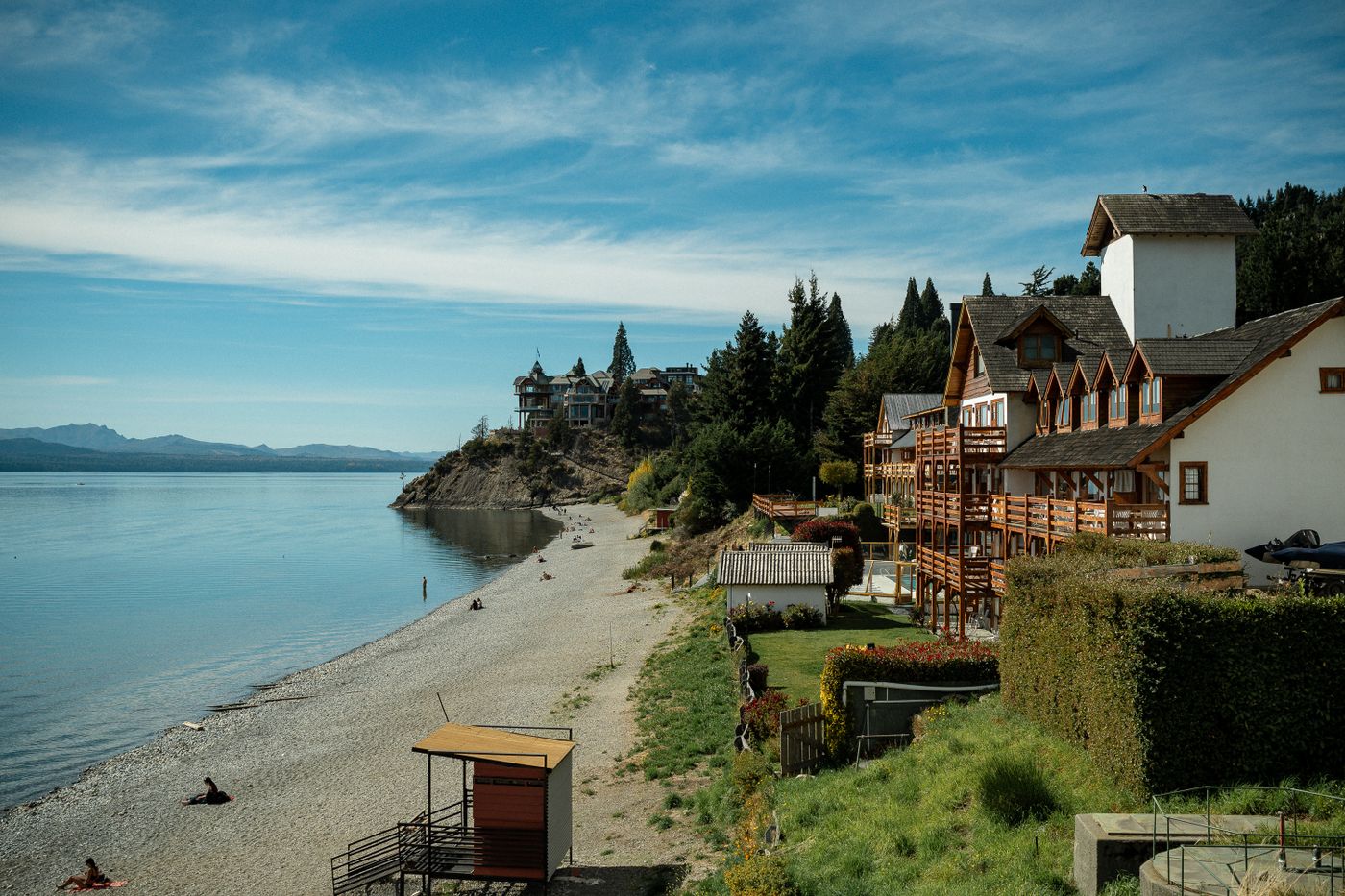 Bariloche's essential day: Civic Center, Patagonian history, Mitre Street, and a lakeside coffee
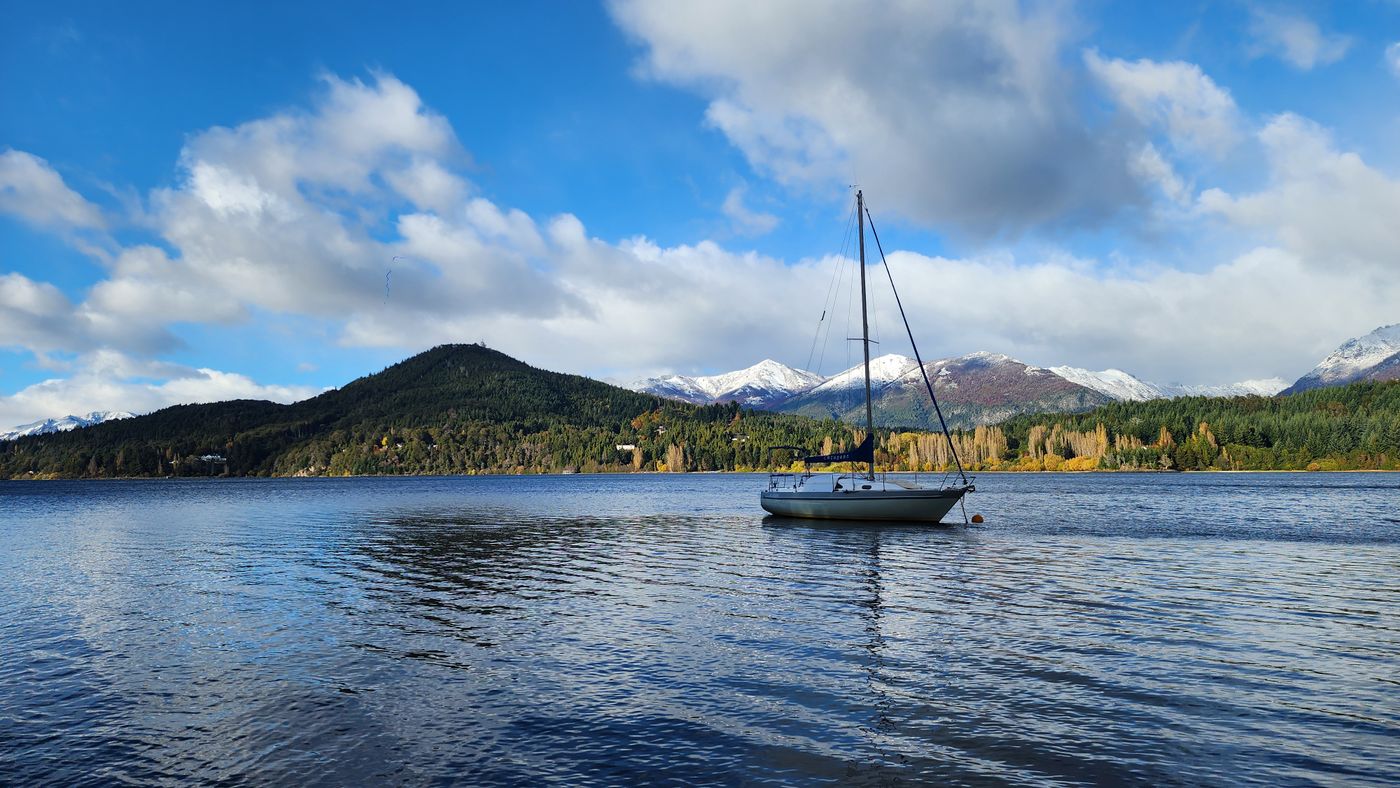 Smoked meats, lakeside chocolate, and a concert to close the day
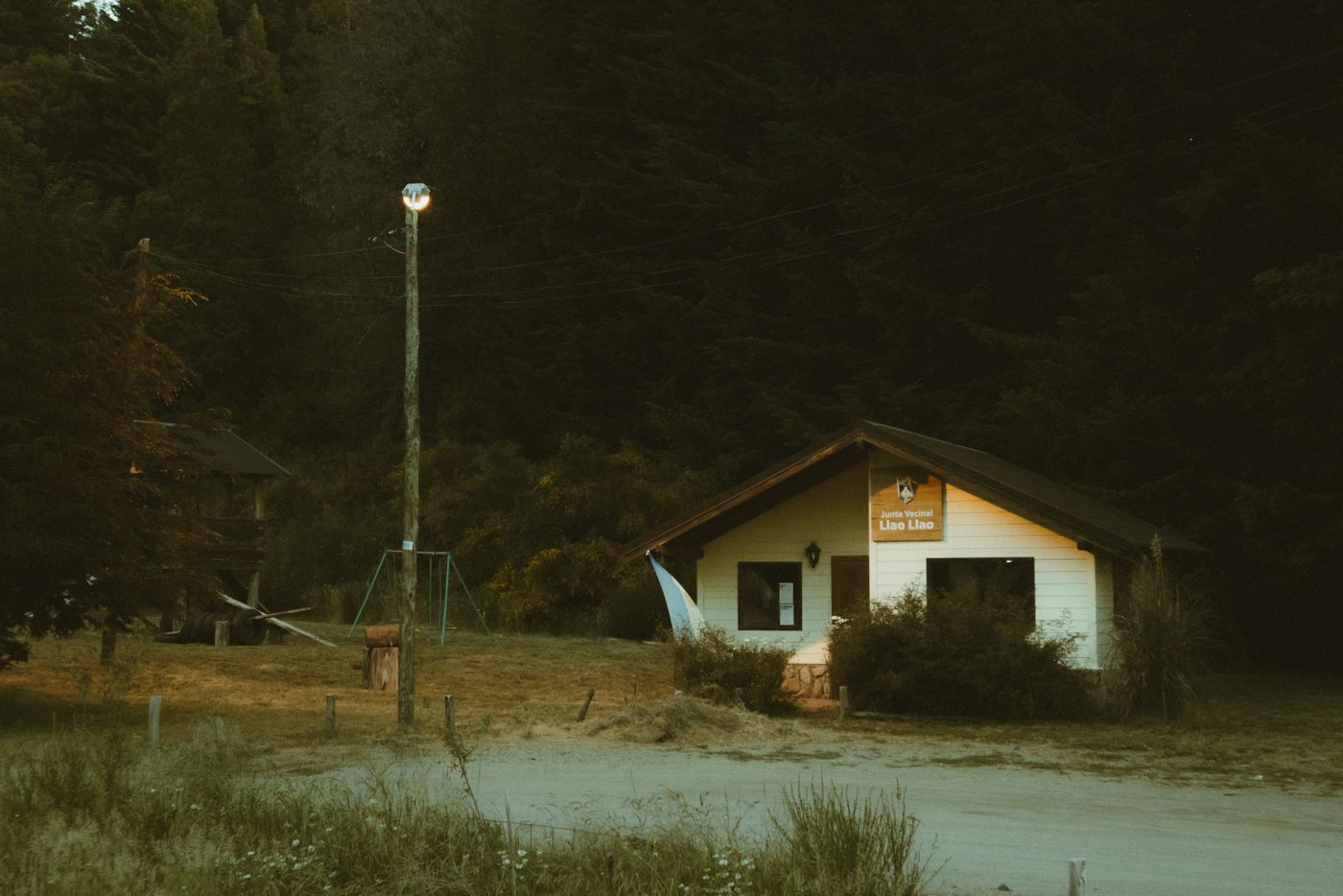 Bariloche's alpine soul: Civic Center, Patagonian history, chocolate, and the Circuito Chico panorama
 makes a personal plan in one tap. Tune it by mood, diet, time, budget, squad — and drop in your own places. Works in 65,000+ cities. It learns what you like, so every next plan fits better. Stop Searching. Start going.
Sources give mixed signals about this spot — we recommend confirming before visiting.
Tap outside to close
Tap outside to close
 squad
squad like
like