
📍 8 stops · ⏱ ~6 h

We start the morning in a working smokehouse that’s been doing things the same way for decades, then wander the city’s main street to see how the German and Swiss heritage shows up in the architecture and chocolate shops. The afternoon unwinds along the lakefront before an evening concert at a small local club.
Want your own personalized plan for free?
This family-run smokehouse has been operating since the 1940s, turning out trout, venison, and wild boar using old Patagonian methods brought by German settlers. The brick building itself is unassuming from the street, but the smell hits you a block away — beechwood smoke and curing meat. Inside, they’ll let you taste before you buy, and the vacuum-packed trout travels well if you want to take something home.
The smoked venison salami is the thing regulars come for — it’s leaner and more deeply spiced than the trout. If you’re taking it home, they’ll vacuum-seal it for the road.
Mitre is where Bariloche shows its split personality: stone-and-timber buildings that could be in a Swiss alpine village, next to Argentine parrillas and chocolate shops with windows full of dulce de leche. The stretch between Quaglia and Moreno is the densest part — locals run errands here, tourists browse, and the whole street smells like waffle cones and roasting coffee. The architecture is a direct echo of the German and Swiss settlers who arrived in the early 20th century, and you can see it in the steep gabled roofs and carved wooden balconies.
This stretch of Mitre is the densest concentration of the city’s chocolate shops, bakeries, and leather goods stores — the kind of street where you can graze your way from one end to the other. The shopfronts are low-rise and intimate, and many still have the original wooden interiors from the mid-20th century. It’s worth ducking into a few chocolate shops just to see the displays, even if you don’t buy anything — the marzipan fruits and chocolate-covered almonds are arranged like jewellery.
A small, independent coffee bar that locals prefer over the chains on Mitre. They pull a short, strong espresso and the pastries come from a bakery a few blocks away — the medialunas are flaky and buttery, closer to a croissant than the sweet versions you get elsewhere. The room is tiny, maybe six tables, and the barista knows most people by name. Grab a seat by the window and watch the morning foot traffic on Mitre.
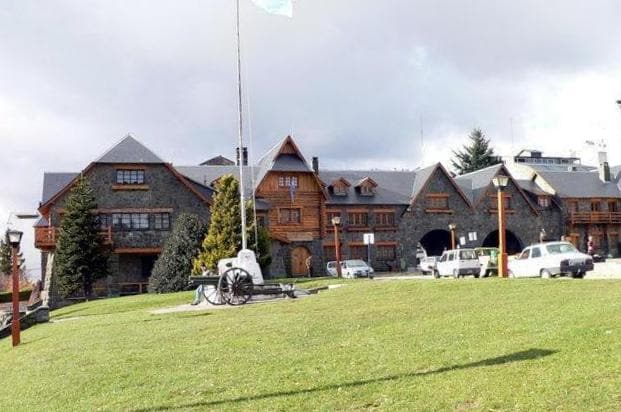
The Civic Center is Bariloche’s postcard image — a horseshoe of stone buildings with dark timber balconies, opening onto a broad square that faces . Built in the 1940s, the architecture is a deliberate homage to the alpine towns of central Europe, and the effect is striking against the Patagonian landscape. The stonework is local green-grey andesite, quarried from the surrounding hills. From the square, the view sweeps across the lake to the snow-capped Andes — it’s best in the early afternoon when the light is full on the water.
Mamuschka is the chocolate brand most locals will name first — the shop on has a glass-walled kitchen where you can watch the chocolatiers tempering and moulding. The signature piece is the chocolate-covered marzipan, shaped like tiny fruits and painted by hand. The whole place smells like warm cocoa butter, and the wooden shelves are stacked with boxes wrapped in striped paper that’s become a souvenir in itself. Even if you don’t have a sweet tooth, it’s worth stepping in just to see the production line.
Manush is part of ’s serious craft-beer scene — they brew their own, and the menu is built around hearty food that pairs with a pint. The space is warm and woody, with long communal tables and a buzz that picks up around lunchtime. Their burgers are the draw, made with local Patagonian beef and served on house-baked buns, but the real sleeper hit is the lamb empanadas — crisp, juicy, and seasoned with smoked paprika. Order a flight of their beers to try a few; the honey ale is a local favourite.
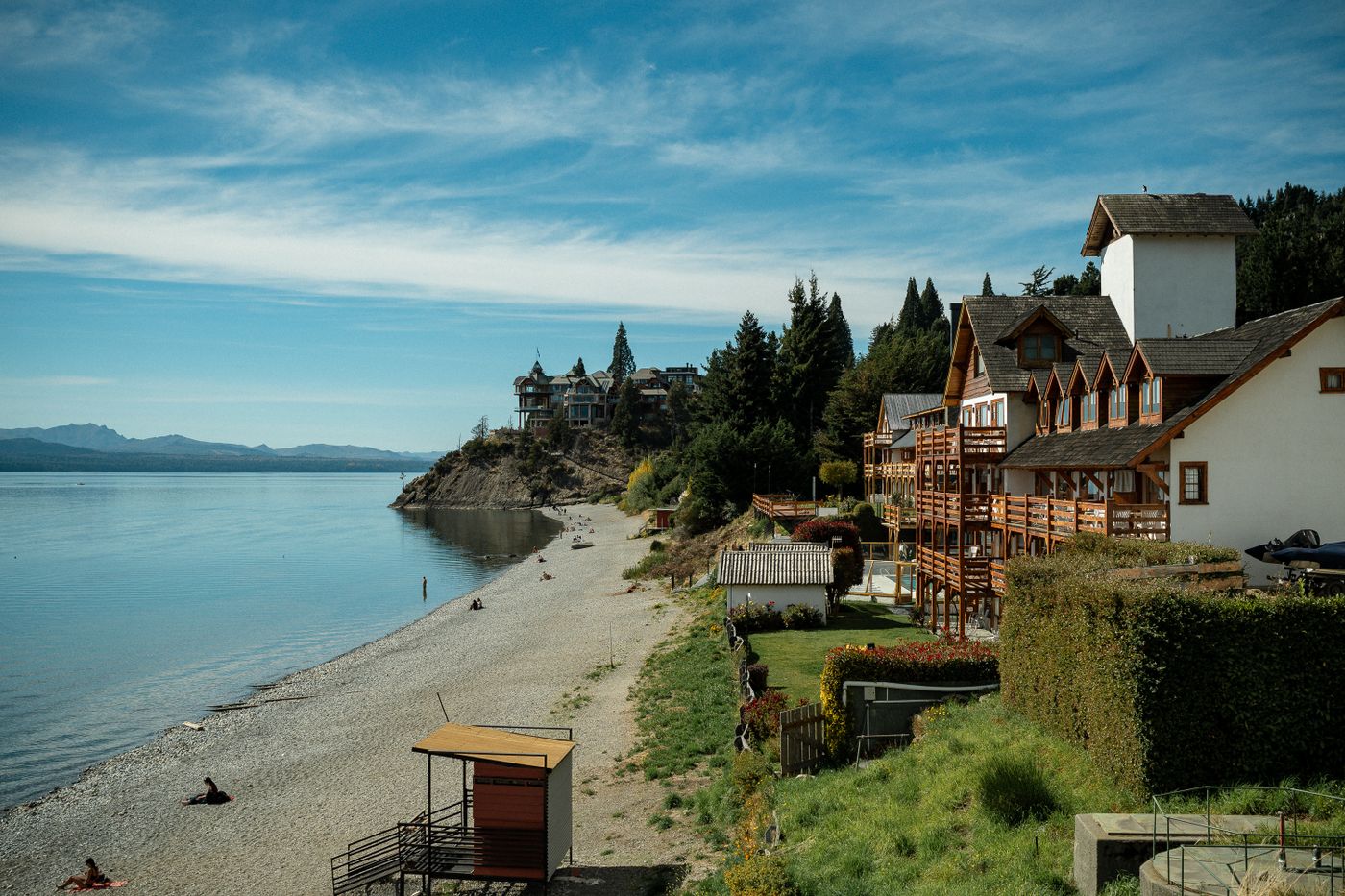
The Costanera runs along the southern shore of , a wide paved path with benches facing the water. In the afternoon, the light turns the lake a deep glacial blue, and the Andes rise on the far side with snow on the peaks even in summer. Locals walk their dogs here, couples sit with mate, and the sound is mostly water lapping against the stone wall. It’s the quietest part of the day — a long exhale after the bustle of .
This stretch of the Costanera gives you the classic view: the lake stretching west toward the mountains, the small pier where tour boats dock, and the stone-and-timber buildings of the behind you. There’s a small craft market here most afternoons — locals selling leatherwork, silver jewellery, and knitted wool. The benches fill up around sunset, but in the mid-afternoon it’s peaceful, and you can sit and watch the water for as long as you like.
Walk west past the main pier — about 200 metres — and you’ll find a smaller stretch of path with fewer people and an uninterrupted view of the lake. The benches here face directly toward Cerro López, and in winter the peak is covered in snow.
WAVE CLUB is a small venue on Avenida San Martín that hosts live music most weekends — the kind of place where the stage is barely raised and you’re close enough to see the guitarist’s fingers. The room holds maybe a hundred people, with a bar along one wall and a sound system that’s loud but clear. It’s a local institution for indie and rock acts passing through Patagonia, and the crowd is a mix of regulars and travellers who heard about the show from someone at a hostel. Estación Sur is a local band that blends rock with Patagonian folk rhythms — the kind of music that sounds like a long drive through the steppe. The show starts in the early evening, and the venue is intimate enough that you’ll feel the kick drum in your chest. Tickets are available at the door, but it’s worth arriving early to get a spot near the stage.
Doors open about half an hour before the show — arrive early to grab a spot near the stage and order a drink before the crowd fills in.
 Bariloche's food scene: breakfast beer to lakeside chocolate
 Bariloche's essential day: Civic Center, Patagonian history, Mitre Street, and a lakeside coffee
 Bariloche's civic heart and lakeside soul: a first-timer's day through history, chocolate, and Nahuel Huapi views
 Bariloche's alpine soul: Civic Center, Patagonian history, chocolate, and the Circuito Chico panorama
 makes a personal plan in one tap. Tune it by mood, diet, time, budget, squad — and drop in your own places. Works in 65,000+ cities. It learns what you like, so every next plan fits better. Stop Searching. Start going.
Sources give mixed signals about this spot — we recommend confirming before visiting.
Tap outside to close
Tap outside to close
 squad
squad like
like