
📍 7 stops · ⏱ ~7.5 h

A full day built around Bariloche's food scene, from a morning brewery stop to lakeside chocolate and evening views — the route winds through Barrio Belgrano, the Centro Cívico, and the Costanera, tasting the city's craft beer, Patagonian lamb, and legendary chocolate along the way.
Want your own personalized plan for free?
Manush is one of the cornerstones of Bariloche's craft beer scene, a lively brewpub where the tanks are visible behind the bar and the smell of malt hangs in the air. The beer list runs from a crisp honey ale to a deep, smoky porter — order a flight to sample across the range. The kitchen does solid pub food, but the real move here is a mid-morning pint and a plate of their hand-cut fries while the lunch crowd is still an hour away.
The bar seats fill up with locals by 12:30, especially on weekends. Grab a spot at the counter before noon and ask what's fresh off the tap — the brewers often have a small-batch experimental beer that never makes the printed menu.
Barrio Belgrano is where Bariloche's Swiss and German heritage is most visible, not as a theme-park recreation but as a lived-in neighbourhood of timber chalets, neat gardens, and family-run businesses that have been here for generations. The architecture tells the story of the European settlers who arrived in the early 20th century and built a mountain town that feels more Alpine than Andean. On a winter morning the woodsmoke from chimneys mixes with the cold lake air, and the streets are quiet except for the occasional dog-walker.
La Fonda del Tío is the kind of unpretentious, family-run parrilla that locals keep to themselves — no lake views, no alpine decor, just a grill master working the fire and plates of Patagonian lamb that cost a fraction of what the lakefront restaurants charge. The mixed parrillada arrives on a sizzling cast-iron platter heaped with chorizo, morcilla, and slow-grilled cuts of beef and lamb. Come hungry and order the full spread; the chimichurri here is made in-house and has a serious garlic kick.
The cordero patagónico is what this place does best — slow-grilled over wood, tender enough to pull apart with a spoon. Skip the pasta and go straight for the grill.
Bariloche calls itself the chocolate capital of Argentina, and this small museum traces how that happened — from the first European chocolatiers who settled here in the 1940s to the artisanal techniques still used today. The displays walk through the bean-to-bar process with vintage moulds, wrappers, and machinery, and the visit ends with a tasting of their single-origin dark chocolate. It's compact and genuinely interesting, not a tourist trap — the Fenoglio family has been making chocolate in Bariloche for three generations.
The museum's tasting counter sells small bars of their single-origin chocolate that aren't available in the regular shops — the 70% Río Negro cacao is the one to grab. It's made in tiny batches and usually sells out by late afternoon.
Mamuschka is the most iconic chocolatier in Bariloche, and the flagship store on Mitre is part chocolate shop, part theatre — glass cases stretch the length of the room filled with hand-painted truffles, chocolate-dipped fruits, and elaborate pralines in flavours like calafate berry and dulce de leche. The packaging alone, with its Russian-doll motif, has become a Bariloche souvenir in its own right. Pick a small box of assorted truffles and eat them on the bench outside — they're best at room temperature, when the ganache inside is still soft.
The is Bariloche's postcard image — a horseshoe of stone and timber buildings facing the lake, built in the 1940s as a deliberate statement of Patagonian alpine identity. The main square, with its bronze statue of on horseback, is the town's gathering point, and the arches of the municipal building frame a perfect view of . In winter the surrounding peaks are snow-capped and the square takes on a quiet, end-of-the-world stillness.
Centro Cívico · Book onlineGetYourGuideRapanui is the other giant of Bariloche chocolate, and where Mamuschka is traditional, Rapanui is playful — their signature is chocolate-dipped raspberries, but the real draw is the heladería counter serving some of the best ice cream in Patagonia. The calafate berry sorbet is sharp and wild-tasting, a flavour you won't find anywhere else. Grab a cup and a hot chocolate and sit by the window watching Mitre Street's afternoon bustle.
The Costanera is Bariloche's lakeside promenade, where the town meets the vast expanse of . In the late afternoon the light turns golden and the mountains across the water — Cerro López, Cerro Capilla — catch the last sun. Find a bench near the pier and finish the Mamuschka truffles as the day winds down. This is the quiet payoff: a full day of eating and walking through the city, ending with nothing but the lake and the mountains.
The lakefront path stretches for kilometres in both directions, and the signal can get thin past the pier. Having a data connection lets you pull up the map and find the quieter stretches further east, where the benches are empty and the mountain reflections are undisturbed.
Get an eSIMAiraloIf you checked out this morning or arrived early, dragging a bag along the Costanera is no fun — the path is gravel in sections and the benches are the real destination. There are luggage storage spots near the Centro Cívico where you can leave everything for a few hours and walk the lakefront hands-free.
Store your bagsRadical Storage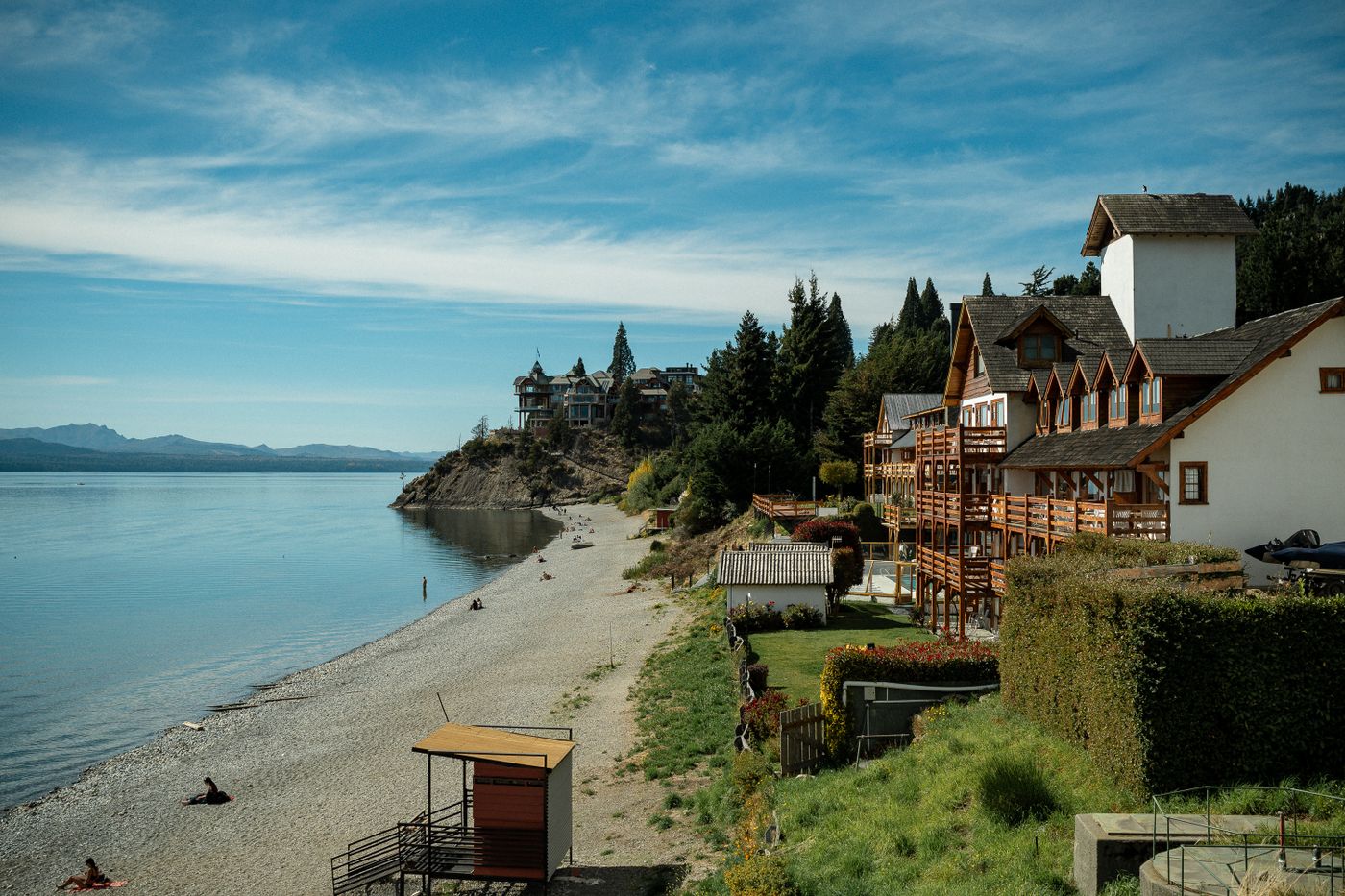 Bariloche's essential day: Civic Center, Patagonian history, Mitre Street, and a lakeside coffee
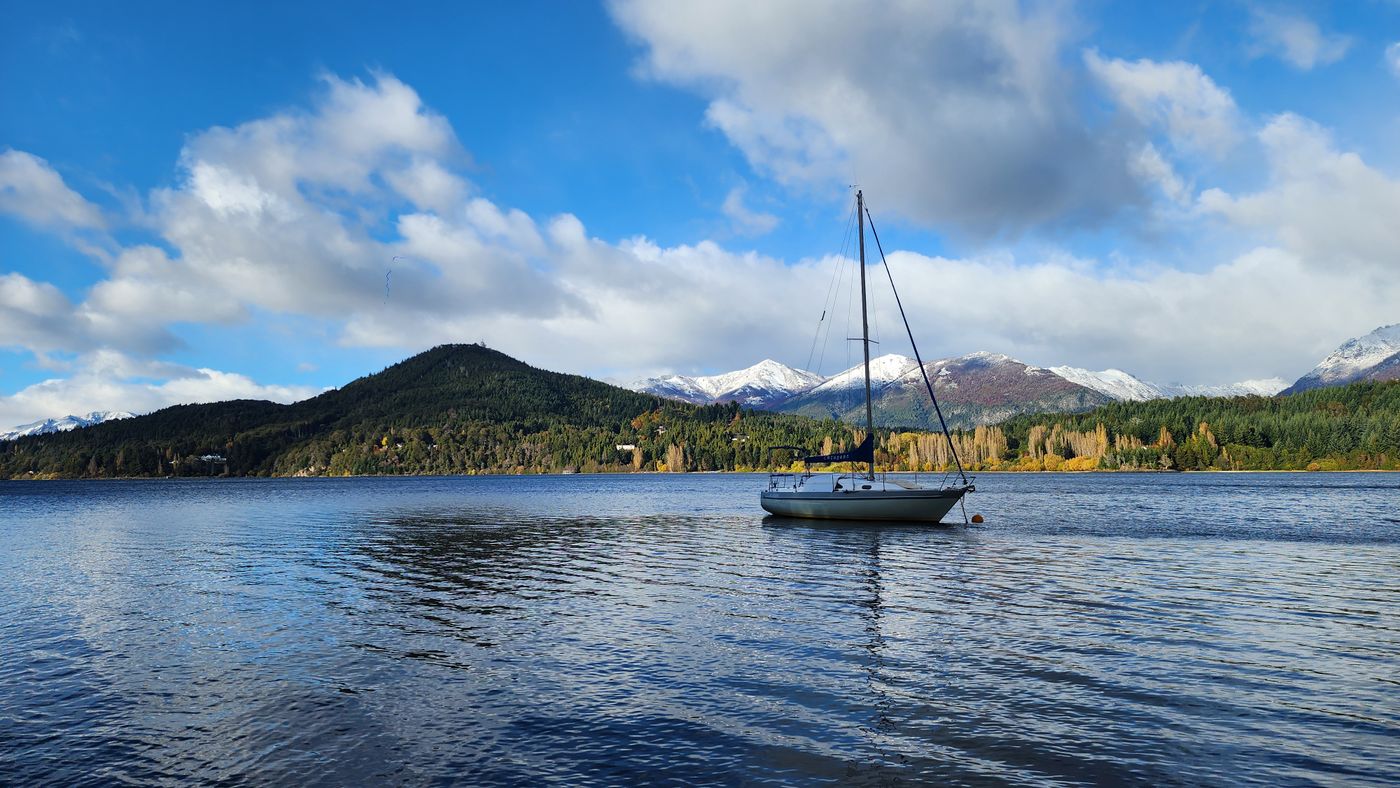 Smoked meats, lakeside chocolate, and a concert to close the day
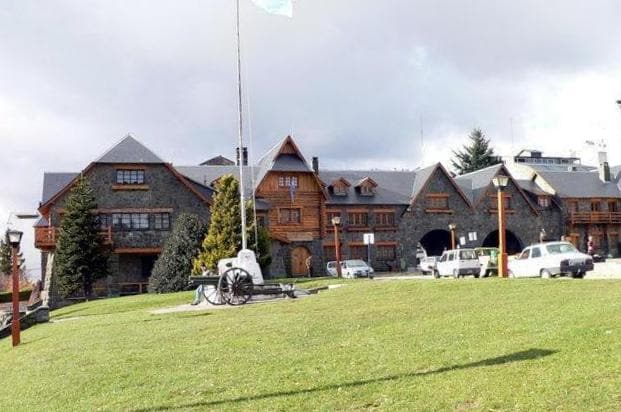 Bariloche's civic heart and lakeside soul: a first-timer's day through history, chocolate, and Nahuel Huapi views
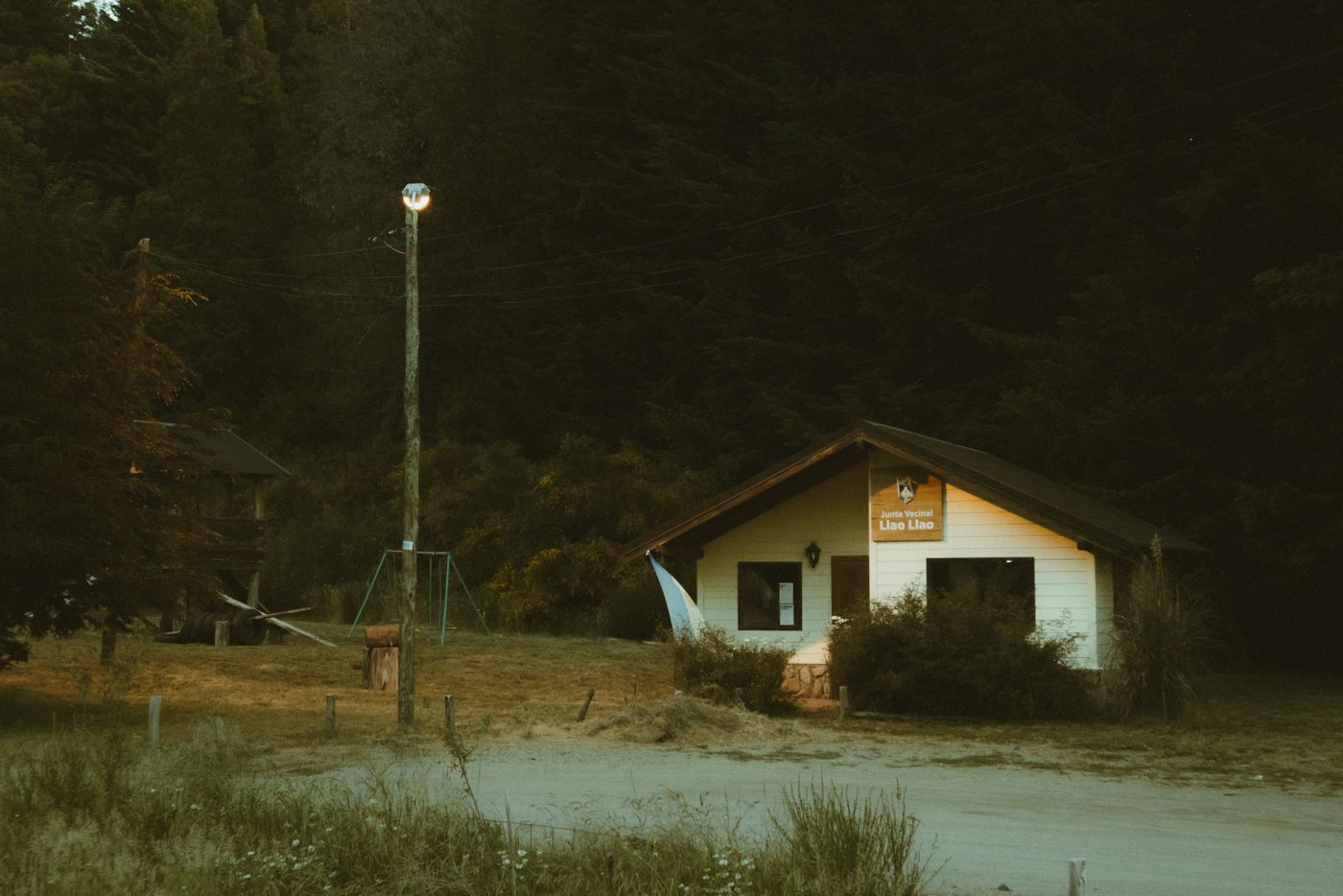 Bariloche's alpine soul: Civic Center, Patagonian history, chocolate, and the Circuito Chico panorama
 makes a personal plan in one tap. Tune it by mood, diet, time, budget, squad — and drop in your own places. Works in 65,000+ cities. It learns what you like, so every next plan fits better. Stop Searching. Start going.
Sources give mixed signals about this spot — we recommend confirming before visiting.
Tap outside to close
Tap outside to close
 squad
squad like
like